

Commercial Mortgages for an Allied Health Group Practice, Explained
Most allied health group practices rent space they have shaped to fit clinical workflows. If your rooms, rehab gym and reception are already the hub of your patient base, owning the premises turns rent into repayments that build an asset on your balance sheet. At Ardent Capital Group we speak with practice owners about this kind of purchase, and this guide walks through how a lender reads it.
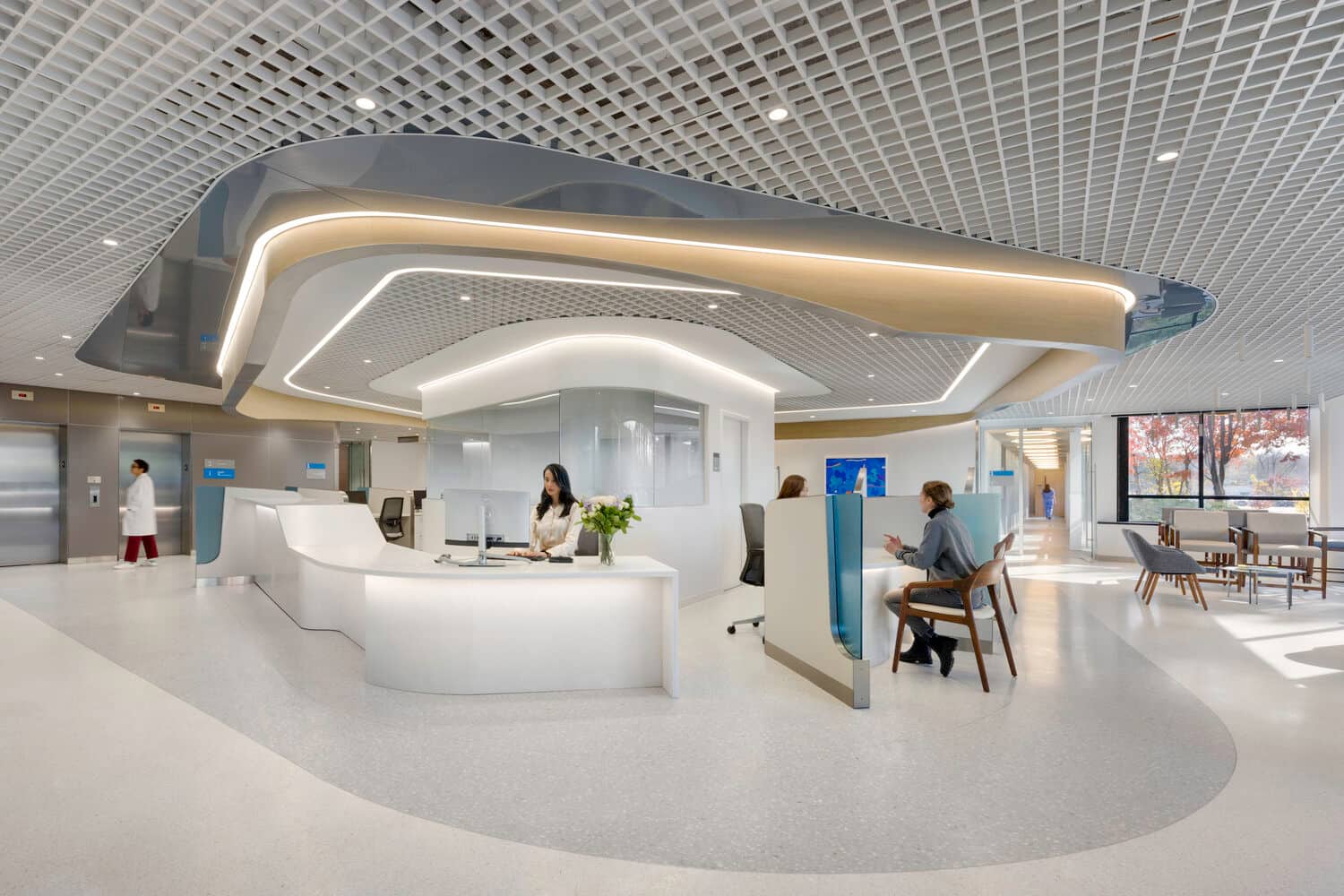
Ardent Capital Group is a specialist in commercial mortgages for allied health group practice operators across Australia. Our team can help you move from tenant to owner, and give you clear lending advice on structure and strategy.
- Funding capacity: Ardent can help you access finance from $100K to $10M+, matched to your practice model and growth plans.
- Track record: We have facilitated over $500M in funding over a decade for more than 1,000 borrowers.
- National coverage: We service Sydney, Melbourne, Brisbane, Gold Coast, Perth, Adelaide, Canberra, Hobart and surrounding regional towns.
- Sector focus: Deep experience with physiotherapy, chiropractic, podiatry, psychology, speech pathology, occupational therapy and multi-disciplinary group practices.
Owning vs leasing your allied health group practice
Fit-out is expensive and sticky. Treatment rooms, handwash plumbing, acoustic separation for counselling, disability access upgrades, storage, sterilisation and a reception built for high patient throughput are sunk costs that are hard to move. Location is part of your referral engine. Proximity to GP clinics, hospitals, schools and sporting hubs, convenient parking, visible signage and public transport create habit for patients and referrers. The allied health sector is resilient across cycles, with payer mixes that include private health, Medicare EPC, NDIS and workers compensation. Each repayment retires debt on a tangible asset tied to your practice income, not a landlord's.
Main drivers:
- Control of fit-out and operating model: Make long term investments in rooms, a rehab gym, Pilates and reformer space, gait analysis and treatment equipment without lease risk.
- Retention of patient flow: Keep the address patients know, secure signage and parking, maintain GP and referrer proximity.
- Balance sheet strength: Convert rent into repayments on an appreciating asset, with potential tax outcomes via rent paid by the trading entity.
- Longer planning horizon: Lock in occupancy cost, reduce relocation risk for clinicians and patients.
When buying may not suit. A short lease horizon with plans to relocate, uncertainty about the catchment, or capital that would deliver a higher return invested in clinicians, marketing or new service lines can tilt the decision to renting. The choice belongs to you. Where owning is the right move, speak to our team about an allied health property loan and how it is assessed.
How a commercial mortgage works for allied health premises
Deposit and LVR. Most allied health premises gear to around 80 per cent as standard commercial security, so roughly a 20 per cent deposit, fundable from cash, practice retained earnings or equity in your home. Allied health sits at a useful crossover point: where a lender extends its medical or professional package to your discipline, it can fund up to 100 per cent of the purchase price on the practice property alone, without additional security. Which lenders extend that package to physios, chiropractors, podiatrists and psychologists varies, and matching your discipline to the right desk is where a broker earns their place.
Loan term and structure. Banks commonly write commercial terms of 10 to 15 years, while non-bank lenders extend to 25 or 30 years. Facilities can be principal and interest for steady debt reduction, or interest only for a period to prioritise cash flow during fit-out or service expansion. Many practices run a separate equipment or fit-out line beside the mortgage.
Security and serviceability. Lenders take the property as primary security. They assess business financials, clinician agreements and serviceability using profitability, add backs and stability of payer receipts. Valuers focus on the property's medical or allied health suitability and the local demand profile.
Owner occupier treatment. Lenders generally view owner occupier allied health premises favourably due to low vacancy risk, patient stickiness and essential services demand, which can support sharper pricing or higher LVRs within policy.
Common ways to hold the property
Many allied health group practices already hold the premises in a separate entity, often a company or unit trust, and lease it back to the trading practice at a commercial rent. A lender reads that inter-entity rent as the serviceability line and takes the property as security. Where several principals own the building, unit or shareholdings usually reflect their split, and a documented market-rate lease supports the credit assessment while keeping operating risk separate from the property. Ardent's role is arranging the mortgage around whichever entity holds the building, with your accountant confirming which structure suits the group's tax and ownership position before settlement.
SMSF purchases. Commercial premises generally qualify as business real property, so an allied health group's SMSF can acquire the building under a limited recourse borrowing arrangement, with the property held in a separate bare trust and leased back to the practice at market rent. The arrangement funds that single property, the fund provides its own deposit, and LVR, liquidity, contribution and related party settings are tighter than on a standard commercial mortgage. Sourcing and arranging finance for a purchase like this is Ardent's part; confirming the fund's compliance, contribution and trustee mechanics rests with the group's SMSF specialist and accountant before contracts are signed.
How your application is assessed
- Business financials: Two years of financials where available, BAS if shorter trading, payer mix across private health, Medicare EPC, NDIS and compensable work, clinician retention and referral sources.
- Serviceability: EBITDA, add backs, clinician wage costs or contractor splits, rent coverage ratios, sensitivity to seasonality and leave periods.
- The property and valuation: Zoning that permits medical or allied health, parking and accessibility, lift or ground floor access, services for plumbing and sterilisation, strata health, outgoings and comparable medical grade sales.
- Deposit and equity position: Cash, retained profits, or ability to leverage your equity in other property, plus evidence of funds to complete including fit-out.
- Lease and occupancy: A market lease between the holding entity and the trading entity, length matching lender policy, and clarity on subtenants where rooms are shared.
A specialist broker who understands allied health credit settings, payer data and medical grade property valuations improves the clarity and speed of your outcome.
How this might look in practice
This is an illustrative scenario that shows the kind of situation we can assist with, and how the thinking might run.
- Practice profile: Two principals operating a multi disciplinary allied health group in a suburban medical precinct, eight clinicians across physiotherapy, podiatry and psychology, strong GP referral ties and NDIS clients.
- Objective: Buy a 350 sqm strata medical suite in the current building for $2.4M to secure tenure and expand rehab space.
- Options we would map:
- Owner occupier mortgage at standard commercial gearing: Deposit sourced from cash reserves and a small equipment refinance, interest only for 24 months while the expanded gym and rooms ramp, then a switch to principal and interest, subject to valuation and serviceability.
- Professional-package route: Testing which lenders extend their medical or professional package to this mix of disciplines, since that can lift the fundable proportion of the purchase price on the property alone.
- Unit trust structure: Property held in a unit trust reflecting the principals' 60/40 split, with a commercial lease to the trading company at market rent so the related party arrangement is clean for credit.
- SMSF path: Each principal's SMSF acquiring a proportional interest in a similar suite under an LRBA at a lower LVR, leased back at market rate, with liquidity and contribution limits weighed against control.
- Equity and cash flow: The option to leverage your equity in a home and an existing small commercial unit would be considered to reduce cash outlay. Serviceability would be modelled on clinician productivity targets and payer timing.
- How we would approach it: We would map the ranges, structures and repayments, then leave the decision with the principals after weighing control, repayments and growth timing. The figures above are illustrative, not confirmed outcomes.
Finance types for allied health group practice owners
- Asset finance for clinical equipment: Fund reformers and Pilates towers, shockwave and therapeutic ultrasound units, podiatry chairs and 3D foot scanners, sterilisation equipment, treatment tables and HICAPS terminals through allied health equipment finance.
- Fit out and refurbishment finance: Partitioning for consulting rooms, acoustic treatment for psychology, plumbing to sinks in each room, reception rework and accessibility upgrades.
- Working capital loans: Smooth payroll and contractor payments across school holidays and clinician leave with working capital for an allied health practice, while marketing to maintain referral volume.
- Business overdraft: Cover timing gaps from private health and NDIS remittances, and manage stock for braces, orthotics and consumables.
- Refinancing and debt consolidation: Restructure multiple small facilities into a clearer stack that matches cash flow and reduces administration.
- Construction and renovation: Add rooms, extend to a larger rehab gym, or complete compliance upgrades for disability access and parking.
- Business or premises acquisition finance: Buy a neighbouring suite, purchase a competitor's patient list, or fund a buy in or buy out between principals.
Owning the premises can free equity for equipment or refurbishment, and a well timed refinance can consolidate facilities into a simpler structure.
A broker who knows allied health group practice property
Ardent Capital Group gives allied health owners clear advice on the structure and the strategy, not just the rate, so the finance supports the practice you are building and the years ahead, not only this settlement. We work across purchase, refinance and equity release for physiotherapy, chiropractic, podiatry, psychology and multi-disciplinary group practices, and we service Sydney, Melbourne, Brisbane, Gold Coast, Perth, Adelaide, Canberra and surrounding metro and regional areas. If you are weighing up buying your premises, we would be glad to talk it through.
Your questions answered
How much deposit does an allied health group practice typically need to buy premises? Standard commercial treatment gears to around 80 per cent, so roughly a 20 per cent deposit, fundable from cash, practice retained earnings or equity in your home. Where a lender extends its professional package to your discipline the deposit can be lower again, subject to valuation and serviceability.
Can my SMSF buy our practice premises and lease it to the trading business? Yes, commercial premises generally meet business real property rules and can be held in an SMSF under an LRBA, with a documented market rate lease to your practice. Expect lower LVRs and tighter liquidity settings than a standard commercial mortgage.
Is owner occupier financing treated more favourably than investment for allied health suites? Lenders usually view owner occupier allied health property as lower risk due to sticky patient demand and reduced vacancy, which can support stronger LVRs and pricing within policy.
Can I include fit out costs in the funding package? Often the fit out is financed alongside the mortgage through a dedicated fit out facility or equipment line, so you can preserve deposit cash while completing rooms, plumbing and acoustic works.
How do lenders assess serviceability when we use contractor clinicians rather than employees? They look through to practice level profitability, clinician utilisation, historical splits, contract stability and payer timing, with add backs applied where appropriate to reflect true operating earnings.
What types of properties are acceptable security for allied health practices? Medical or allied health suitable assets such as strata medical suites, ground floor retail converted to clinical rooms, or standalone buildings with compliant access and parking. Valuers favour demonstrable medical suitability and strong local demand.
Can I leverage your equity in my home or another property to reduce my cash deposit? Yes, cross collateralising or providing additional security can close a deposit gap, subject to overall serviceability and lender policy.

Written by
Nick Chong
Managing Director, M.AppFin, Dip. Mortgage Mgmt
Nick holds a Bachelor of Agricultural Economics, a Master of Applied Finance and an Advanced Diploma in Financial Planning. He founded Ardent Capital in 2016 after more than a decade in financial planning and mortgage broking. For the past ten years he has led a team of finance specialists, mortgage advisers, brokers and credit analysts, all working to secure optimal outcomes for clients and always acting in their best interests. The team brings both a qualitative and a quantitative approach to every deal.