
Mortgage brokers for commercial property loans
Commercial property finance specialists
Looking to buy commercial property?
We help business owners and investors buy, refinance and develop commercial property across Australia. From warehouses to medical clinics, retail premises to SMSF purchases, we find the right lender for the specific deal and get it done.
We can help you:
- Buy the premises your business operates from
- Acquire a commercial property as an investment
- Borrow up to 60% to 80% depending on the asset. 100% LVR is available in some cases involving cross-collateralised security.
- Refinance or release equity from a commercial property
- Buy across medical, industrial, retail, office and more
- Structure an SMSF commercial purchase
- Fund a construction or development project
- Free up your working capital
- Arrange finance through a trust or company structure
Who we help:
- Established business owners who require finance between $50K to $30M
- First-time borrowers who need a beginner-friendly strategy
- Sophisticated borrowers and investors who need a unique strategy and deal structure
- Urgent, time-sensitive deals that need to move quickly
- Self-employed and trust-structured borrowers who need their income presented properly
- Commercial property owners with multi-tenancy plans


Speak to a specialist today
1,000+
loans settled
$2B+
funded
Commercial mortgages
From warehouses to clinics, we get you funded
We help business owners, investors and SMSF trustees access commercial property finance. That means finding the right lender for the specific property type and borrower profile, structuring the application correctly, and managing the process through to settlement. Commercial lending is more complex and more variable than residential, lender appetite differs significantly by asset class, and the right lender for one deal is often wrong for another.
Funding from $50K to $30M
from over 60 bank & non-bank lenders












- ANZ
- Bankwest
- Bluestone
- Bank of Queensland
- Commonwealth Bank
- Firstmac
- ING
- Macquarie
- NAB
- Pepper Money
- Suncorp Bank
- Thinktank
Commercial property finance specialists
We can arrange commercial mortgages for business owners buying their premises and investors building a commercial portfolio. The purchases we can finance include:
- Owner-occupier commercial property purchase
- Investment commercial property and landlord finance
- SMSF commercial property under a limited recourse borrowing arrangement
- Commercial construction and development finance
- Commercial property refinance and equity release
Owner-occupier loans are sized on your business income and serviceability, reaching up to 80% on standard commercial security, and valued on vacant possession. Investment loans gear against net passing rent. Terms run to 25 to 30 years with interest-only available, and GST applies unless the sale is a going concern.
Why businesses choose Ardent Capital Group as their broker
Execution and strategy
Strategy first, then execution. We structure your deal properly and take it to the lenders that fit how you trade, so you do not have to knock on every door.
Clear advice for smart lending
Straight answers on LVR, structure and timing, including when a deal does not stack up.
A long-term partner
We stay with you well beyond settlement, with lasting relationships and ongoing support from the team.
Property types
Commercial property scenarios we can help finance
Commercial mortgage lending is not one product, it is a different assessment, a different lender panel and a different process for each asset class. Below is an overview of the property types we can work across.
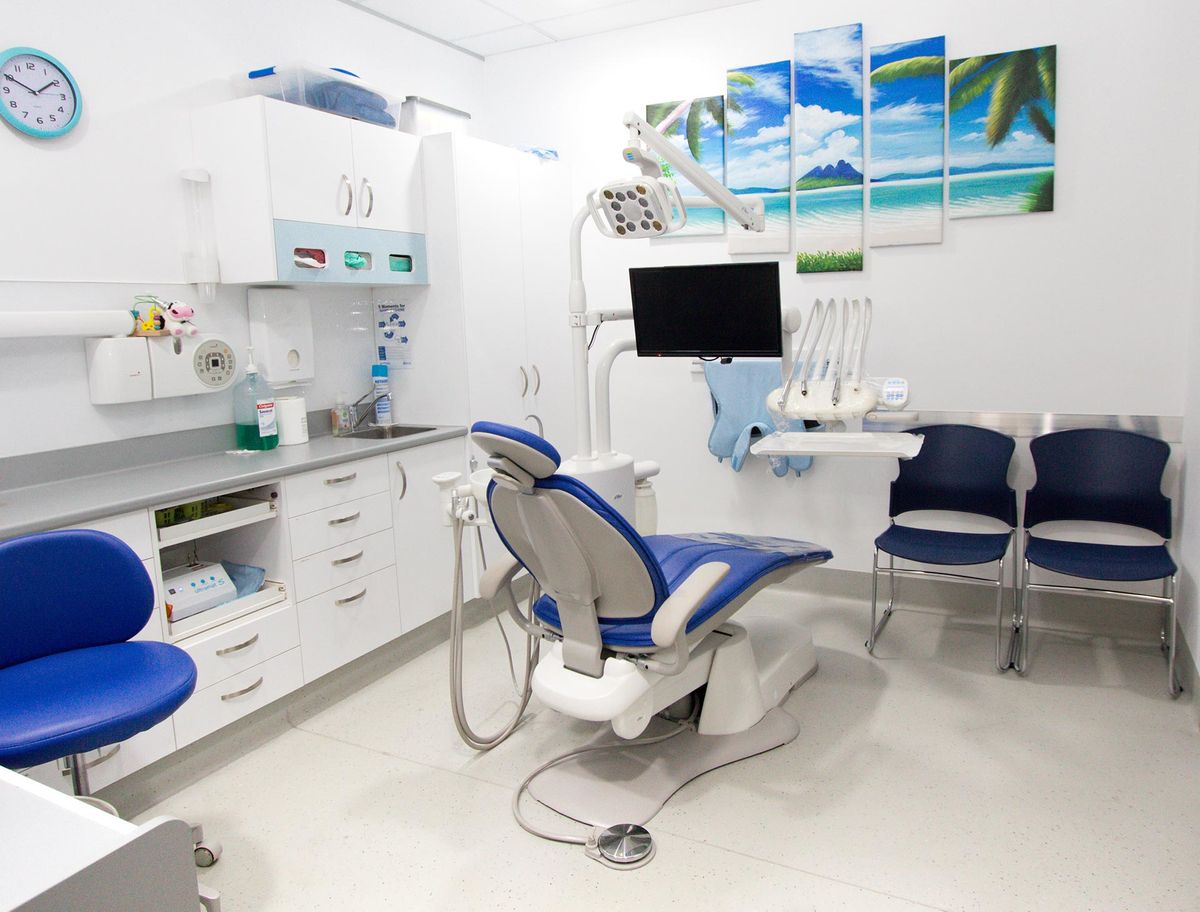
Medical and specialist clinics
When you buy the rooms your practice works from, healthcare income puts you in a lending class of its own. GPs, dentists, specialists and allied health earn steady, resilient revenue, so major banks assess your profession rather than treating the purchase as ordinary commercial property.
Most practices are held through a service trust, partnership or company, and that income has to be read across those entities before a lender will price the loan. We map your structure to the lenders who understand it and present the figures the way their credit team expects.
- LVR to 80% for medical, dental and veterinary borrowers, and up to 100% where an existing residential property is offered as added security
- Valued on vacant possession for owner-occupiers, or on the passing rent where a consulting suite stays leased
- Fit-out, medical equipment and practice goodwill can often be funded alongside the property
- Terms to 25 years, with an interest-only period available while a practice builds patient numbers
- Documents to prepare: two years of practice financials, an accountant’s letter and the lease if tenants remain
- GST usually applies unless the sale qualifies as a going concern with tenants in place
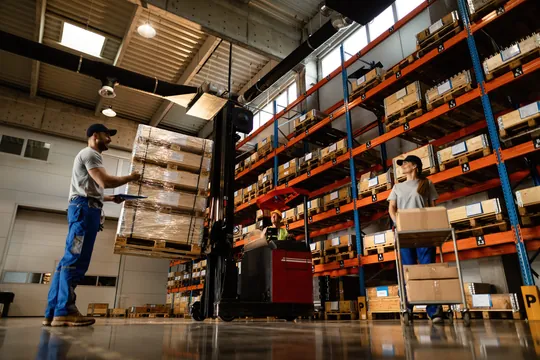
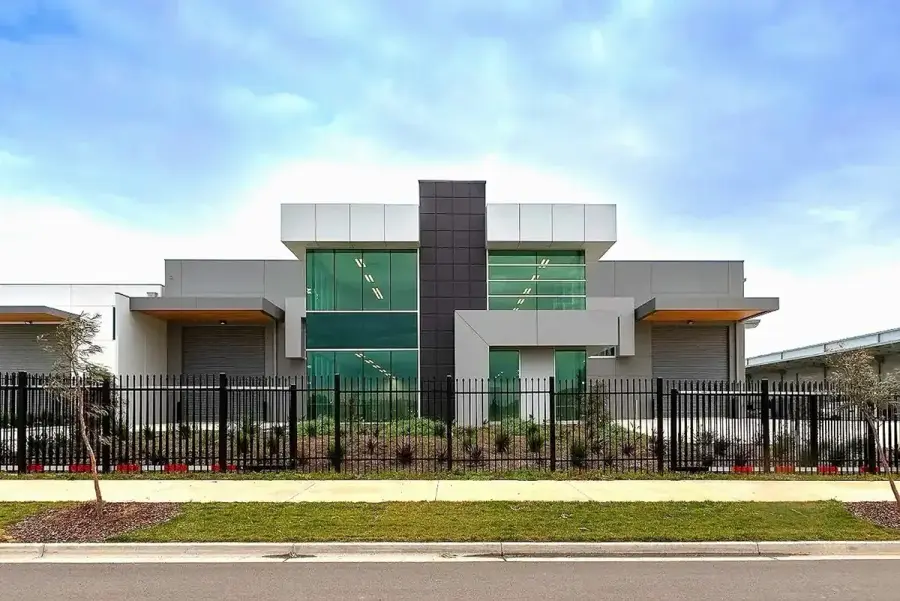
Warehouse and industrial property
When your business owns the shed it operates from, the loan is serviced by trading cash flow, so lenders read your accounts as closely as the building. Owner-occupiers reach around 70%, and some non-bank lenders stretch further where the balance sheet supports it.
Held as an investment, the same asset is assessed on its lease and tenant, generally at 60% to 70%. We match the structure, owner-occupier, investment or SMSF, to the lenders who price industrial property well.
- Accepted zonings include IN1 General Industrial, IN2 Light Industrial and E4 General Industrial under the current NSW codes
- High clearance, hardstand, container access and three-phase power all lift an industrial valuation
- Investment loans price off net passing rent, the strength of the lease covenant and the weighted average lease expiry
- Contaminated land, service stations and older asbestos-clad sheds narrow the lender list and can trigger an environmental report
- Alt-doc available on BAS and an accountant’s declaration where recent full accounts are not ready
- Deposit around 30%, funded from cash, business equity or a related property
Professional services offices
Accounting firms, law practices, advisory businesses and consultancies buying their own suite are assessed off professional income, usually earned through a service trust or partnership. Lenders reach 70% to 75% for owner-occupiers once that income is presented in the form their credit team expects.
Strata suites and multi-tenancy buildings change the picture, because the valuer weighs the individual title against the wider building. We work out whether owning beats leasing on your numbers, then place the loan.
- Strata offices assessed on the individual lot, its by-laws, the strata levies and the sinking fund balance
- Owner-occupiers can lease surplus floors back out, and the added rent lifts serviceability
- Car spaces held on separate commercial titles can often be funded in the same facility
- A-grade, B-grade and secondary building gradings shift both the LVR and the interest rate
- Prepare recent partnership or company financials, a rent schedule for any tenants and your trust deed
- Terms commonly run 15 to 25 years, with an interest-only option over the first few years
Retail owner-occupier premises
When the business that trades from the shop also owns it, lenders test two things at once: whether your operation services the loan, and what the premises are worth if you ever left. That dual view is why standard commercial security reaches up to 80%.
Strata shops and retail-over-residential add title and zoning questions that not every lender will take. We match your property and entity to the ones that price retail sensibly.
- Main-street and neighbourhood-centre shopfronts read more strongly than secondary strip or arcade positions
- Retail-over-residential is valued across both components, and the residential portion can push the LVR up
- Reliance on a single anchor tenant or a short remaining lease is treated as a risk on investment retail
- E1 Local Centre, E2 Commercial Centre and MU1 Mixed Use zonings are commonly accepted
- Provide two years of trading figures, a profit and loss for the site and the current lease if one exists
- Fit-out finance and a business overdraft can be arranged alongside the property loan
Hospitality, childcare and specialist assets
Pubs, hotels, licensed venues and childcare centres are valued on what they earn, not on bricks and mortar. Hospitality is read off trading performance and going-concern value, childcare off a capitalisation of the net operating income, so the quality of the numbers decides the outcome.
Fewer lenders write these, and the ones that do read each sub-class differently. Getting the right lender at the application stage is the largest single factor in an approval.
- LVR usually 55% to 65%, reflecting the income-based, specialised-security valuation
- Childcare pricing turns on licensed places, occupancy, the operator’s track record and the remaining lease term
- A liquor licence, gaming entitlements and the freehold-versus-leasehold split all feed a hospitality valuation
- Going-concern sales can be GST-free where the business transfers as an operating whole
- Prepare accountant-prepared trading accounts, the service approval and any franchise or management agreement
- A freehold-plus-business loan is assessed differently from a freehold let to a separate operator
SMSF commercial property
Yes, this can be done, and we arrange it. A self-managed super fund buys the property under a limited recourse borrowing arrangement, the property sits in a separate holding trust, and your operating company leases it back at market rent. It is a solid, compliant structure. It is also unforgiving of detail, and the detail below is where these purchases are won or lost.
We know this sounds complicated, and we can assist to make things clearer. Reach out and we will guide you through the entire process. We structure the finance and tell you which lenders will take a commercial property as SMSF security and on what terms, and we bring in the SMSF specialists and licensed advisers who set the fund side up, so the structure holds together from the first conversation rather than being unpicked at settlement.
- From 10 August 2026 a new arrangement can only be used for business real property: a property trading wholly as a business generally qualifies, a property with a residence attached generally does not
- The property sits in a separate holding trust, and the lender's recourse is limited to that one asset
- Your operating company leases it back in writing, at market rent supported by an independent appraisal, and the rent has to actually be paid, or it can be taxed as non-arm's length income
- The arrangement funds a single asset, so the business, its goodwill and its fit-out are financed separately, outside the fund
- Cross-collateralisation is not available inside super. The fund needs its own deposit, and the 100% LVR structures available outside super do not apply
- Lenders cap SMSF lending below a standard purchase, generally between 65% and 75%, and want cash left in the fund after settlement
Our complete list of services
- Buy the premises your business operates from
- Acquire a commercial property as an investment
- Borrow up to 60% to 80% depending on the asset class
- Finance medical, industrial, retail, office or hospitality property
- Refinance an existing commercial loan
- Release equity for growth or another purchase
- Structure an SMSF commercial purchase
- Fund a construction or development project
- Arrange finance through a trust or company structure
- Buy specialist assets like childcare or licensed venues
- Free up your working capital
- Bridge a settlement timing gap
- Consolidate a commercial property portfolio
- Move a property into super
- Provide personal and home finance for owners
- Support first-time commercial property buyers
Our process
How it works
✓We understand your scenario
We talk through the property, your business and timeline, and any complexity in your structure.
✓We find the right lender
We match your deal to the lender on our panel best suited to it.
✓You receive clear terms and guidance
We present indicative terms and explain what we recommend, and why.
✓We stay with you beyond settlement
We manage everything through to settlement, then stay in your corner well beyond it, with ongoing support from the team.
Lender features compared
How commercial property loans compare across lenders
| Commercial loan feature | Major banks | Non-bank lenders | Availability |
|---|---|---|---|
| Maximum LVR | 60% to 75% | Up to 80% | Standard |
| Owner-occupier finance | Preferred rates | Available | Common |
| SMSF purchase | Up to 65% | Up to 70% | Popular |
| Interest-only periods | Up to 5 years | Up to 5 years | Common |
| Loan term | Up to 25 to 30 years | Up to 25 years | Flexible |
| Lease / WALE (investment) | Longer WALE preferred | Shorter WALE considered | Important |
| Approval timeframe* | 3 to 6 weeks | 2 to 4 weeks | Varies |
| Best suited for | Established borrowers, standard assets | Complex structures, higher LVR, specialised assets | — |
*IMPORTANT: These are indicative figures only. Terms, LVRs and approval timeframes vary with borrower capacity, security type and individual lender criteria, and are subject to change. Figures are a general guide, not a quote or an offer of finance, and not a representation that finance is available on these terms.
Frequently asked questions
Why use a commercial mortgage broker rather than going direct to a lender?
Going direct means one lender, one credit policy and one answer. Commercial property is assessed very differently across banks and non-bank lenders, and the same deal can be approved by one and declined by another depending on the asset, your structure and how the application is presented. As commercial mortgage brokers, we know which lenders are active for your property type right now, how to frame the submission, and which to avoid. You get the lenders that suit it rather than working through a list and collecting unnecessary declines, and we manage the process from enquiry to settlement, subject to serviceability, lender appetite and approval.
How much finance can you help me access?
Commercial property finance through us runs from $50K up to $30M, which stretches from a single strata suite to a substantial freestanding asset or a portfolio held across entities. The figure a lender lands on comes down to the security, your deposit and how the servicing reads.
What makes Ardent Capital Group the right broker for you?
Ardent Capital Group brings the same method to every client: execution and strategy, clear advice for smart lending, and long-term growth. That means the right lender, structure and timing, straight advice so you borrow with confidence, and today's deal built toward where you want to be tomorrow. A commercial mortgage should sit comfortably across the whole operation rather than just clearing the purchase price, matched to the building and the way your business actually trades. Drawing on a panel of more than 60 lenders, we stay alongside you as the business and portfolio grow. Every figure is subject to serviceability, lender appetite and approval.
What is a commercial mortgage?
A commercial mortgage is a loan secured against a commercial property, any property that is not used as a private residence. It is used to purchase, refinance or develop commercial real estate, including offices, warehouses, retail premises, medical facilities and hospitality venues. Commercial mortgages are assessed differently from residential loans, with lender appetite, LVRs and terms varying significantly between asset classes and borrower types.
How is a commercial mortgage different from a residential loan?
Commercial mortgages are assessed on the property type, the income-generating capacity of the asset or business and the borrower's entity structure, not just their personal income and the property value. LVRs are generally lower than residential lending, typically 60% to 80% depending on the asset class. Interest rates are higher. The range of available lenders is more variable, and getting the right lender for the specific property type matters significantly more than it does in residential lending.
What LVR can I get for a commercial property?
LVRs vary by asset class and borrower profile. Medical and professional owner-occupiers can often access 70% to 80%. Standard industrial, retail and office owner-occupier deals reach up to 80% on that security. Investment commercial property is usually 60% to 70%. Specialist assets like hospitality and childcare are typically 55% to 65%, reflecting the income-based valuation methodology for these asset classes.
How long does a commercial mortgage take to settle?
A straightforward owner-occupier purchase with clean financials typically settles in four to six weeks from application. More complex structures, SMSF lending, specialist asset classes or development finance take longer. We give you a realistic timeline based on the specific property and borrower before you commit to a purchase schedule.
Do I need a commercial property specialist or can any mortgage broker help?
Commercial lending requires specific lender knowledge that general brokers often do not have. The panel, the credit policies and the income assessment frameworks differ significantly from residential lending. A broker who primarily works in residential will often submit a commercial application to the wrong lender or present the income incorrectly, causing delays or unnecessary declines. Commercial property finance is our specialty.
Can I buy commercial property through my SMSF?
Yes, it is possible, and we arrange these. It is also one of the more intricate purchases in commercial finance, and the detail is what decides whether it works. The fund borrows under a limited recourse borrowing arrangement, so the property sits in a separate holding trust and the lender can only come after that one property. From 10 August 2026 a new arrangement can only be used for business real property: a property trading wholly as a business generally qualifies, a property with a residence attached generally does not. Your operating company leases the property back from the fund, in writing, at market rent supported by an independent appraisal, and the rent has to actually be paid. Cross-collateralisation is not available inside super, so the fund needs its own deposit and the 100% LVR structures described elsewhere on this page do not work here. Lenders cap SMSF lending below a standard purchase, generally between 65% and 75%, and want cash left in the fund after settlement. We know this sounds complicated, and we can assist to make things clearer. Reach out to our team and we will guide you through the entire process. We structure the finance, tell you which lenders will take a commercial property as SMSF security and on what terms, and bring in the SMSF specialists and licensed advisers who set the fund side up. You will not be working it out on your own. Get that right and it is a solid, compliant structure. Our business real property page sets out what that test requires and the situations that decide it.
Do you charge fees for commercial mortgage broking?
Most of the time, no. Where a deal requires significant preparation or involves unusual complexity, a small mandate fee may apply. We will always be upfront about this before any work begins.
Can you help if my bank has declined my commercial mortgage application?
Often, yes. A bank decline does not mean the deal is not fundable. Different lenders assess the same property and borrower profile differently. Non-bank lenders and specialist commercial lenders are often more flexible on LVR, income presentation and asset class appetite. We will give you an honest assessment of what is achievable before proceeding.
What deposit do I need to buy a commercial property?
Most commercial purchases require a deposit of 20% to 40%, because lenders typically fund 60% to 80% of the property value depending on the asset class and borrower profile. Owner-occupiers in strong sectors such as medical can sometimes access up to 80%, while specialist assets like hospitality and childcare usually need a larger deposit. We tell you the realistic deposit for your specific deal before you commit.
Can I get a commercial mortgage with limited or low-doc financials?
Often, yes. Some non-bank and specialist lenders offer low-doc and lease-doc commercial loans that assess the deal on the property's income or alternative documentation rather than full financials. Terms and LVRs differ from full-doc lending. We match your situation to the lenders that suit it and tell you plainly what is achievable.
What documents do I need to apply for a commercial mortgage?
A typical application needs identification, the contract or property details, recent business and personal financials, tax returns, bank statements and details of your entity or trust structure. SMSF and development deals require additional documents. We give you a clear, specific checklist up front so the application is submitted right.
What areas do you service?
Although we are based in Sydney, we service clients across all major Australian cities, including Melbourne, Perth, Brisbane, the Gold Coast, Adelaide, Canberra and Hobart, along with their surrounding regional areas. Wherever your commercial property is located, we can arrange your finance.
What other finance can you assist with?
Beyond your commercial property purchase, we can help with asset finance and working capital. On asset finance, that covers equipment, machinery, commercial vehicles and fit-out. On working capital, we arrange business overdrafts, lines of credit and cash-flow funding to cover stock, supplier payments and cash-flow gaps. We also arrange home loans, planned alongside your commercial borrowing: cross collateralisation, guarantees, shortfalls and trust income included. See home loans for business owners.
I've been a business owner for a few years now, but this will be my first loan. Are you beginner friendly?
Yes. That is our core ethos, helping you understand the right strategy, structure and clear advice from the very first conversation. Our main borrower profiles are established business owners and commercial property investors seeking finance from $50,000 upwards for their company, so a first commercial loan is well within our wheelhouse. Smaller sole-trader and consumer-style ABN lending sits outside our field.
Can you give financial advice?
No. Arranging finance and advising on financial products are two different disciplines, and we do the first. What we bring is the credit analysis lenders require, the structuring of the facility, and the strategy for putting your application in front of lenders whose appetite matches it.
Because we act as a credit representative under an Australian Credit Licence, we do not give financial product, superannuation, taxation or legal advice, and nothing we provide should be taken as such. Where your circumstances need that input, we are happy to work with your accountant, financial adviser and solicitor to understand the full picture before anything is submitted.
The information on this page is general in nature and does not take account of your objectives, financial situation or needs.