
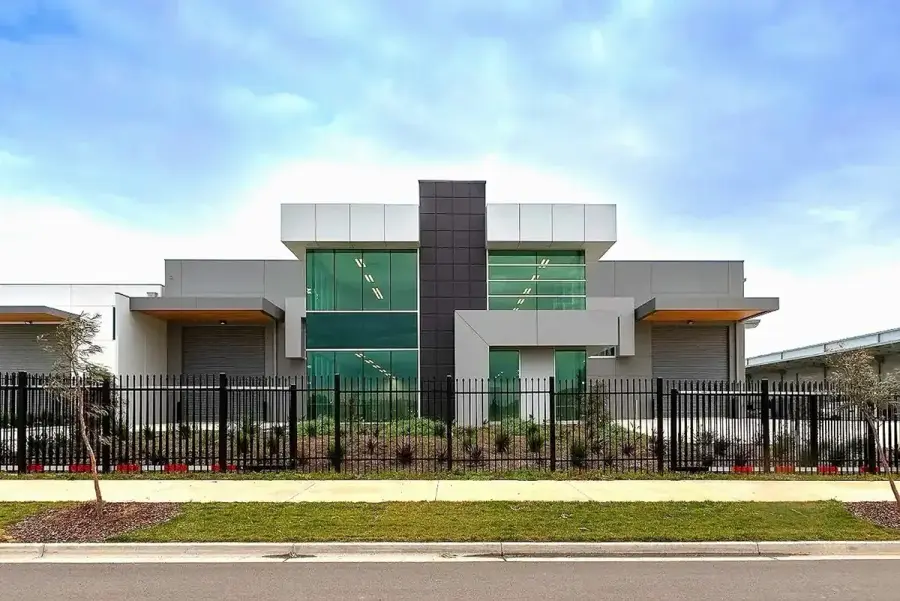
SMSF commercial property loans
Buying commercial property through your SMSF
Looking to buy commercial property through your SMSF?
Buying commercial property inside your self-managed superannuation fund requires specialist lenders and precise structuring. We are commercial mortgage brokers who know which lenders settle LRBA deals properly and how to get the documentation right from the start.
We can help you:
- Finance for a fund buying the premises your business occupies
- Finance for commercial property held in super and leased to a tenant
- Lease the property back to your business at market rent
- Borrow up to 80% under a limited recourse borrowing arrangement
- Model the liquidity a lender wants left in the fund after settlement
- Arrange finance that fits the bare trust and holding structure
- Refinance an existing SMSF commercial loan
- Flag the bare trust deadline early, because the order is state based and the wrong one is dutiable twice
- Coordinate with your accountant and SMSF adviser
Who we help:
- Business and practice owners buying the commercial premises their business works from
- SMSF members who already own their premises and want the super fund to buy them at market value
- Self-managed super funds with the deposit and the cash to leave in the fund after settlement
- SMSF trustees whose accountant, financial adviser and auditor are already involved
- First-time SMSF property buyers who want the limited recourse borrowing rules set out before they make an offer, and also need us to involve their accountant
- Practice owners financing equipment and fit-out outside the super fund, alongside an SMSF purchase



Speak to a specialist today
1,000+
loans settled
$2B+
funded
SMSF commercial
Owning commercial property inside your super fund
We help SMSF trustees buy commercial property under a limited recourse borrowing arrangement. The structure has specific compliance requirements, a shorter list of willing lenders, and documentation obligations that differ from standard commercial lending. We handle all of it, from identifying the right lender through to coordinating with your accountant, auditor and solicitor to ensure the structure is right before and after settlement.
Funding from $50K to $30M
from over 60 bank & non-bank lenders












- ANZ
- Bankwest
- Bluestone
- Bank of Queensland
- Commonwealth Bank
- Firstmac
- ING
- Macquarie
- NAB
- Pepper Money
- Suncorp Bank
- Thinktank
SMSF commercial property finance specialists
SMSF commercial property finance is a specialist area we can assist with, for trustees and business owners buying commercial property in super. The purchases we can finance include:
- Business premises your company occupies and leases from the fund
- Investment commercial property (office, retail, industrial)
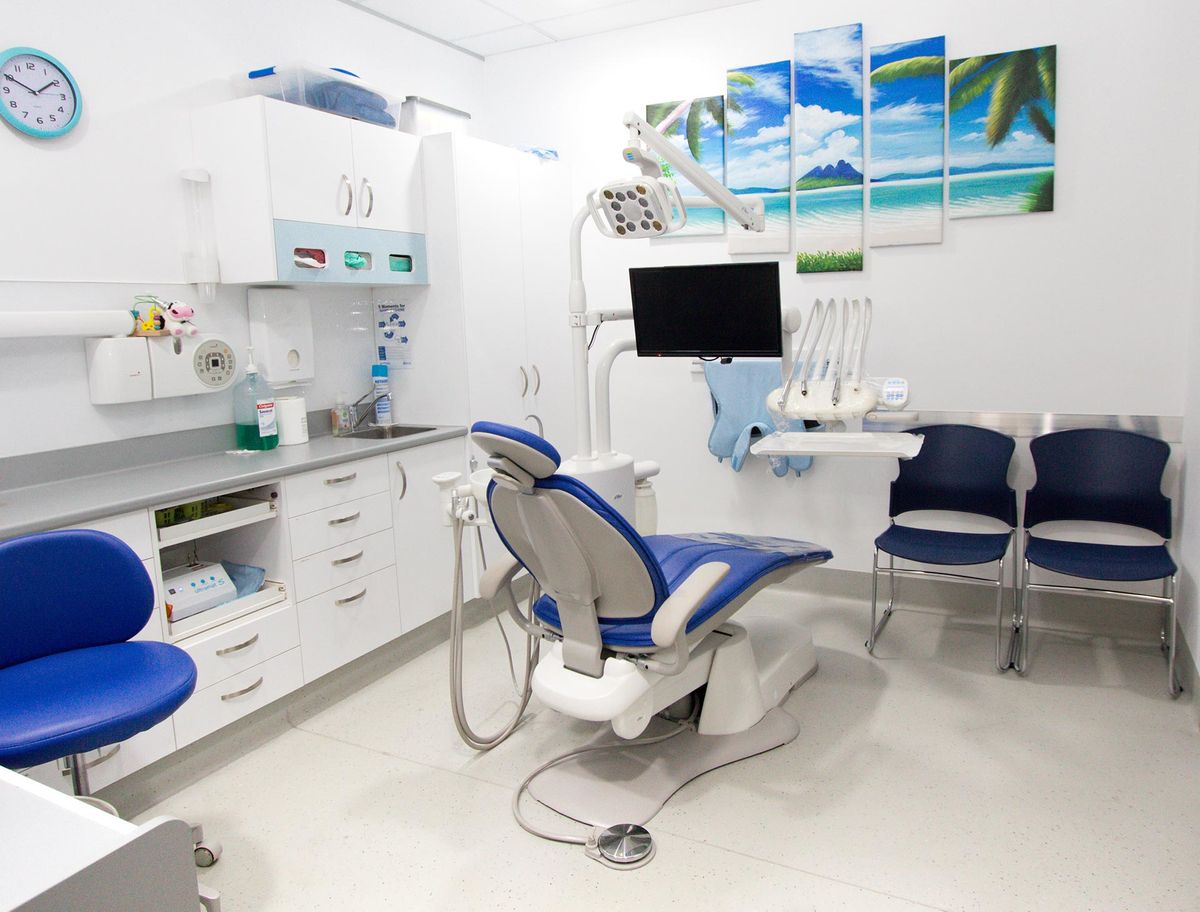
- Medical, dental and professional practice premises
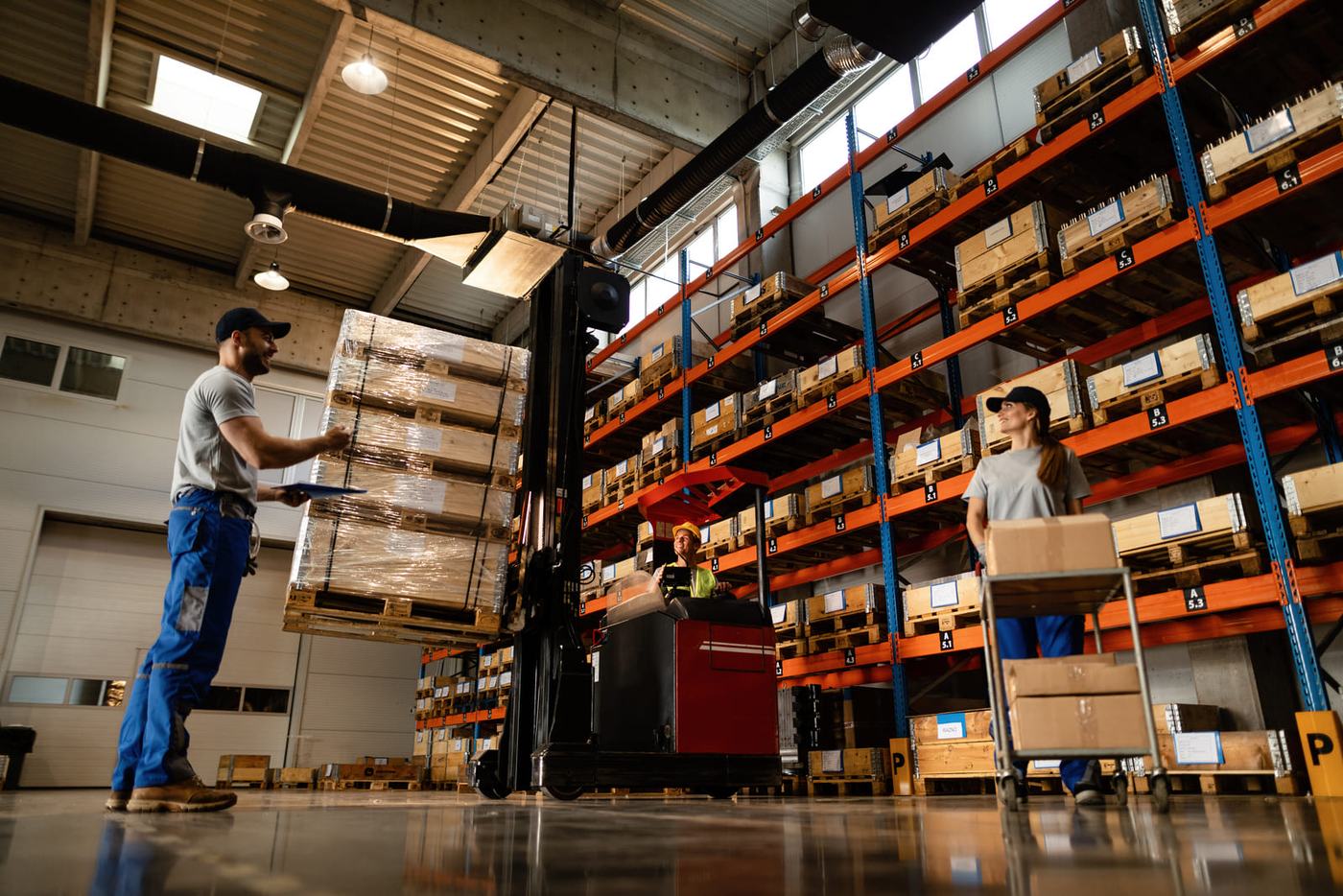
- Warehouse and industrial property
- Retail owner-occupier premises purchased inside super
A fund borrows under a limited recourse borrowing arrangement, the property sits in a separate holding trust until the loan is repaid, and the lender's claim is confined to that one property. Specialist lenders fund to about 65% to 80% of the lender's valuation, over terms to 30 years, with the related-party lease at market rent and a liquidity buffer left in the fund after settlement.
Why businesses choose Ardent Capital Group as their broker
Execution and strategy
Strategy first, then execution. We structure your deal properly and take it to the lenders that suit it, rather than shopping it around lender by lender.
Clear advice for smart lending
Straight answers on LVR, structure and timing, including when a deal does not stack up.
A long-term partner
We stay with you well beyond settlement, with lasting relationships and ongoing support from the team.
Finance types
SMSF commercial property scenarios we can help finance
SMSF commercial lending is not one thing. The structure that works for a business owner buying their own premises inside super is different to a pure passive investment held alongside other fund assets. The documentation, lender requirements and compliance obligations differ between these scenarios, and getting the wrong lender for your specific structure wastes time and creates avoidable problems.
Buying business premises your company occupies
A self-managed super fund can buy the premises the member’s operating company trades from and lease them back to it, and we arrange the finance for that purchase. It is one of the more intricate purchases in commercial finance, and the detail below is where these are won or lost.
The lease has to be documented on commercial terms at market rent and satisfy the related-party rules under the Superannuation Industry (Supervision) Act. We arrange the finance, tell you which lenders will take the premises as SMSF security and on what terms, and bring in the SMSF specialists and licensed advisers who set the fund side up.
- The borrowing runs through a limited recourse borrowing arrangement, so the lender’s claim is confined to the single property
- Legal title sits in a separate holding trust until the loan is repaid, then passes to the fund
- The premises must satisfy the business real property test to be leased to your related company
- Market rent is evidenced by an independent valuation, not set at whatever suits the business
- A corporate trustee is generally preferred over individual trustees where the fund borrows
- A liquidity buffer stays in the fund to cover repayments, insurance and outgoings
Pure investment commercial property inside super
Commercial property held in the fund purely as an investment, leased to an unrelated business tenant, is one of the cleanest SMSF structures there is. No related party sits in the arrangement, so fewer restrictions apply. It also survives the 10 August 2026 change untouched: business real property does not have to be your business. Premises used wholly and exclusively in someone else's business still qualify.
The credit decision turns on the fund's financial position, the property's income yield and the quality of the sitting tenant. We match the fund and the property to the right lender, set the loan up under the holding trust, and keep the accountant, the solicitor and the lender moving to one timeline.
- Investment SMSF commercial lending is generally available to 65% to 80% of the lender's valuation
- A long lease with a strong covenant and fixed annual rent reviews supports serviceability
- The single acquirable asset rule means the borrowing funds one property, not a portfolio
- Net rent from the tenant, together with fund contributions, has to cover repayments and holding costs
- Vacant possession or a short remaining lease narrows the pool of willing lenders, and a property with no business use at all now fails the business real property test
- From 10 August 2026 a new arrangement cannot be used for residential property at all, and a mixed-use building such as a shop with a flat above it fails the wholly and exclusively test
Medical or professional practice premises inside SMSF
A fund can hold the premises a medical, dental, accounting or legal practice occupies, and we arrange the finance for that purchase.
The practice leases the rooms from the fund on commercial terms at market rent. Specialist healthcare lenders read practice premises differently from general commercial security, and we work alongside your accountant and SMSF auditor, who confirm the fund side.
- Through a specialist healthcare lender a fund buying the practice’s own rooms can reach up to 90% with no LMI, above the 65% to 80% that applies to standard commercial security
- Consulting rooms, dental surgeries and professional suites fall within the business real property definition
- The practice entity and the fund are related parties, so the lease has to be arm’s length in substance
- Lenders want the lease in writing and the rent evidenced before settlement, not put in place afterwards
- Fit-out and specialised equipment are the practice’s cost, not part of the borrowing
- Contributions caps limit how quickly members can build the deposit inside the fund
Industrial or warehouse property inside SMSF
Business owners operating from a factory, warehouse or workshop can hold those premises in their SMSF and lease them back to the trading company. Industrial property in super follows the same related-party framework as any other business real property purchase.
We help you weigh whether the structure suits your position, then manage the lending and the compliance from the first conversation through to settlement.
- SMSF industrial lending typically sits at an LVR of 65% to 80%
- Lenders favour standard warehouse and industrial units in established metropolitan precincts
- Zoning, environmental history and any site contamination feed the valuation and credit decision
- Hardstand, clearance height and truck access affect both value and the tenant covenant
- A registered lease between the fund and your operating company evidences the arm’s-length terms
- Specialised or single-purpose sheds can draw a lower LVR or a shorter loan term
Refinancing an existing SMSF commercial loan
Refinancing an existing SMSF commercial loan can change the rate, the term or the lender. It cannot release equity: section 67A(1)(a) sets out what a fund may apply borrowed money to, and the list is exhaustive, so a refinance inside super is limited to the balance outstanding plus accrued interest. The assessment weighs the current property value, the outstanding balance and the fund’s overall position.
Not every SMSF lender competes on refinance, and some attach conditions or fees that were not there originally. We review the finance behind your existing structure, cost the holding trust transfer, and give you an accurate picture of the net benefit before you move. If the fund already owns the property and it is the existing facility you are reviewing, refinancing a property the fund already holds is where we cover why the balance cannot move and what a fund refinance can change instead.
- Switching lenders means novating the holding trust and its bare trustee to the incoming financier
- Legal, valuation and settlement fees are weighed against the rate saving over the loan term
- Plan on no top up, no redraw, no cash out and no equity release, at any valuation
- Some lenders require a fresh business real property confirmation and a current lease at refinance
- A refinance will not fund a second property; the single acquirable asset rule still applies
- Coordination with your accountant and SMSF auditor keeps the fund compliant through the change
First-time SMSF property purchase
For trustees buying commercial property in super for the first time, the process carries more moving parts than a standard commercial purchase. The holding trust has to be established, the fund deed has to permit borrowing, and the ongoing obligations need to be understood before the loan is approved.
We guide first-time trustees from the outset, review the deed and contribution history, coordinate with your accountant and solicitor, and submit to the right lender with complete documentation so the purchase proceeds without avoidable delays.
- The bare trust and its corporate trustee are established before contracts are exchanged
- The fund deed is checked to confirm it allows borrowing under an LRBA
- Lenders review the fund’s financial statements, member balances and contribution history
- The sole purpose test governs the arrangement: the property is held to provide retirement benefits
- In-house asset rules cap related-party exposure and shape how the lease is written
- A well-prepared file commonly settles in six to eight weeks; gaps in documentation extend that
Retail, hospitality and automotive premises inside SMSF
A fund can hold the shop, venue or workshop the members’ business trades from and lease it back to that business. The related-party framework is the same as any other business real property purchase, and what changes is how a lender values the security.
We arrange the lending and work alongside your accountant, licensed adviser and SMSF auditor, who confirm the fund side.
- Standard retail premises in an established strip or centre gear in line with other commercial security
- Hospitality venues are specialised security, so they gear lower than a standard shop or unit
- Workshops, yards and service stations carry environmental and plant considerations that feed the valuation
- A registered lease between the fund and your operating company evidences the arm’s-length terms
- Goodwill, stock and fit-out sit outside the borrowing, which funds the property only
- Liquor, gaming and other entitlements are held by the operating entity, not the fund
Our complete list of services
- Finance for a fund buying the premises your business occupies
- Finance for commercial property held in super and leased to a tenant
- Finance for medical, office, retail and industrial premises held in super
- Borrow up to 80% under a limited recourse borrowing arrangement
- Explain what a lender looks for in the fund’s financial statements
- Arrange finance that fits the bare trust and holding structure
- Refinance an existing SMSF commercial loan, with no top up and no cash out
- Flag the bare trust deadline early, because the order is state based and the wrong one is dutiable twice
- Check the fund deed permits borrowing before the lender finds out it does not
- Present the related-party lease in the form a credit team needs to see it
- Tell you which lenders are writing SMSF commercial and on what terms
- Set out plainly what the borrowing cannot do: no cash out, redraw or improvements
- Work to your accountant's structure and hold everyone to one timeline
- Coordinate with your accountant, solicitor, licensed adviser and auditor
- Support trustees from the first conversation through to settlement
- Fund the business behind the property with business loans for business owners
Our process
How it works
✓We understand your scenario
We talk through the property, your business and timeline, and any complexity in your structure.
✓We find the right lender
We match your deal to the lender on our panel best suited to it.
✓You receive clear terms and guidance
We present indicative terms and explain what we recommend, and why.
✓We stay with you beyond settlement
We manage everything through to settlement, then stay in your corner well beyond it, with ongoing support from the team.
Lender features compared
How SMSF commercial property loans compare across lenders
| SMSF loan feature | Specialist lenders | Non-bank lenders | Availability |
|---|---|---|---|
| Maximum LVR | Up to 80% | Up to 80% | Standard |
| Own practice rooms (medical, dental, vet) | Up to 90%, no LMI | — | Specialised |
| LRBA structure required | Yes | Yes | Critical |
| Related-party lease (business real property) | Permitted | Permitted | Common |
| Cash out, redraw or equity release | Not available | Not available | Critical |
| Interest-only periods | Up to 5 years | Up to 5 years | Common |
| Loan term | Up to 30 years | Up to 30 years | Flexible |
| Liquidity buffer left in the fund | Conservative | More flexible | Important |
| Best suited for | Established funds, standard commercial | Tighter liquidity, specialised assets, higher LVR | — |
*IMPORTANT: These are indicative figures only. Terms, LVRs and approval timeframes vary with borrower capacity, security type and individual lender criteria, and are subject to change. Figures are a general guide, not a quote or an offer of finance, and not a representation that finance is available on these terms.
Frequently asked questions
Why work with Ardent Capital Group on your finance?
Ardent Capital Group brings the same method to every client: execution and strategy, clear advice for smart lending, and long-term growth. That means the right lender, structure and timing, straight advice so you borrow with confidence, and today's deal built toward where you want to be tomorrow. We are specialists in helping business owners secure finance to purchase their own property, and we understand the complex structures that often sit around it, including multiple trusts, holding companies and self-managed super funds. Limited recourse borrowing leaves little room for error, so the structure and documentation have to be built correctly before the deal goes anywhere, and it goes to lenders who fund into this space and know how the arrangement must be set up. As the fund's holdings grow, the team stays alongside it well past settlement. Our Sydney commercial property page covers the same ground for buyers in that market. Every figure is subject to serviceability, lender appetite and approval.
What changed for SMSF borrowing on 10 August 2026?
The law now requires that any new limited recourse borrowing arrangement over real property be over business real property, meaning property used wholly and exclusively in one or more businesses. In practice this ends new SMSF borrowing for residential property. Commercial property generally still qualifies, and the business does not have to be yours: premises leased to an unrelated business tenant meet the test. The traps are a property with no business use, such as vacant land held for growth, and mixed-use buildings such as a shop with a residential flat above it. Arrangements entered into before 10 August 2026 are unaffected, refinancing a pre-existing borrowing is unaffected, and if the contract was signed before that date the purchase is protected even if it settles afterwards.
How much finance can you help me access?
SMSF commercial property lending runs from $50K up to $30M, though funds typically borrow at lower LVRs than a company or trust would. Your accountant and a licensed SMSF adviser should confirm the fund side before contracts are signed.
Why use a broker rather than going direct to my bank?
Because the lender panel is small and getting smaller. The major banks have largely exited SMSF lending, so these loans sit with a short list of specialist and non-bank lenders, each with its own view on the property type, the lease, the fund balance and the liquidity it wants left behind after settlement. Going direct means one policy and one answer. We know which lenders are writing SMSF commercial and what each will want to see, and we present the fund, the trust structure and the lease in the form a credit team needs. Getting that wrong is how a perfectly fundable purchase gets declined.
What is SMSF commercial property finance?
It is a commercial loan made to a self-managed super fund under a limited recourse borrowing arrangement, so the fund can buy a commercial property. The property is held in a separate holding trust until the loan is repaid, and the lender's recourse is limited to that one property, so the fund's other assets are quarantined. Many business owners use it to buy the premises their own company occupies and lease it back to the business at market rent. Others hold commercial property in the fund as an investment leased to an unrelated tenant. The borrowing rules are strict and are set by superannuation law, not by the lender.
What is a limited recourse borrowing arrangement and how does it work?
A limited recourse borrowing arrangement (LRBA) is the legal structure that allows an SMSF to borrow money to purchase an asset. Under the arrangement, the borrowed funds can only be used to purchase a single asset (or a collection of identical assets). The asset is held in a separate bare trust until the loan is fully repaid, at which point ownership transfers to the SMSF. The 'limited recourse' aspect means the lender can only claim against the single asset held in the bare trust if the loan defaults, not against other fund assets.
What commercial properties can an SMSF purchase?
The test is not the property type, it is how the property is used. From 10 August 2026, a new limited recourse borrowing arrangement over real property can only be used where the property is business real property, meaning it is used wholly and exclusively in one or more businesses. Importantly, the business does not have to be yours: an office, shop, warehouse or consulting suite leased to an unrelated business tenant still qualifies. Offices, retail premises, industrial units, warehouses and medical or professional rooms are all routinely funded. Where it gets tight is a property with no business use at all, such as vacant land held for capital growth, or a mixed-use building like a shop with a residential flat above it, which fails the wholly and exclusively test.
What LVR can I get for an SMSF commercial property purchase?
Most SMSF commercial lending settles between 65% and 80% of the property value, and up to 90% with no LMI where a medical, dental or veterinary fund buys the practice's own rooms. What you are offered depends on the property, the lease behind it and the fund's serviceability, and these loans now come from specialist and non-bank lenders. Talk to us and we will map it to your fund.
How long does the finance take?
The credit decision is rarely what sets the date. The structure is. The holding trust has to exist before contracts are signed, and the order is state-based: in Queensland and South Australia the bare trust deed is executed before the contract of sale, and in New South Wales, Victoria, Tasmania and the ACT it is executed after. The contract must be signed by the trustee of the bare trust, not by the SMSF trustee. Get the order or the name on the contract wrong and you can trigger double stamp duty, which is an expensive and avoidable mistake in an SMSF purchase. Conditional approval commonly runs two to four weeks, but plan the sequence before you make an offer. We get that right for you.
What documents do I need to apply?
Lenders want the fund's trust deed, confirming it permits borrowing under a limited recourse borrowing arrangement, the bare trust deed and the corporate trustee details, two years of fund financial statements and member statements, the contract of sale, the proposed lease if the property is going to a related business, and evidence of the fund's contribution history and liquidity after settlement. Where the fund's income relies on the members' business, the lender will also want that business's financials. We work through the list with your accountant so nothing surfaces late, because an incomplete file is the usual reason these deals stall.
Can the SMSF lease the property to a related business?
Yes, and this is the most common reason funds buy commercial property. Where the property is business real property, the fund can lease it to a related business. The lease has to be in writing, on commercial terms, at a market rent supported by an independent appraisal, and the rent has to actually be paid on time and be evidenced. Rent set below or above market can be treated as non-arm's length income and taxed at the top marginal rate. This is one of the few places where superannuation law lets a fund and a related party deal with each other directly, which is exactly why it has to be documented properly.
What is a bare trustee and why is it required?
A bare trustee is a separate entity, typically a company, that holds legal title to the property on behalf of the SMSF during the period the loan is outstanding. The bare trustee arrangement is required because superannuation legislation does not allow the SMSF itself to hold a mortgaged asset directly. Once the loan is fully repaid, legal title transfers from the bare trustee to the SMSF. Setting up the bare trustee correctly, with the right documentation, is one of the most common sources of delay in SMSF property purchases.
Can I refinance my existing SMSF commercial loan?
Yes, and it is common. The law allows borrowed money to be applied to refinance an existing complying borrowing, but only in relation to the same single property and no other. That means the refinance cannot exceed the balance outstanding plus accrued interest. There is no top up, no cash out and no equity release, and you cannot roll two arrangements into one. A refinance is treated as a new arrangement that must satisfy the law in force when it happens, and where a new holding trust is used the property has to transfer directly to it. Refinancing a borrowing entered into before 10 August 2026 is not affected by the new business real property rule.
Do you charge any fees for your service?
Most of the time, no. Where a purchase requires significant preparation due to its complexity, a small mandate fee may apply, and we will always be upfront about this before any work begins.
Can you coordinate with my accountant and SMSF auditor during the process?
Yes, and it is how these purchases get done. An SMSF purchase has more moving parts than a standard commercial one: your accountant and licensed adviser own the fund structure and the decision, your solicitor handles the bare trust deed and the contract, the auditor sees it afterwards, and we arrange the finance and hold the timeline together. We work to their structure and present it to the lender. We know this sounds complicated, and we can assist to make things clearer. Reach out to our team and we will guide you through the entire process. You will not be working it out on your own.
What areas do you service?
Although we are based in Sydney, we service clients across all major Australian cities, including Melbourne, Perth, Brisbane, the Gold Coast, Adelaide, Canberra and Hobart, along with their surrounding regional areas. Wherever the property your SMSF is buying is located, we can arrange your finance.
What other finance can you assist with?
Although our main speciality is property loans for business owners, we also assist your operating business with equipment and vehicle finance and working capital for your business, held outside the fund. On asset finance, that covers equipment, machinery and commercial vehicles. On working capital, we arrange business overdrafts, lines of credit and cash-flow funding. We keep these facilities separate from your fund so the SMSF borrowing stays compliant. We also arrange home loans, planned alongside your commercial borrowing: cross collateralisation, guarantees, shortfalls and trust income included. See home loans for business owners.
I've been a business owner for a few years now, but this will be my first loan. Are you beginner friendly?
Yes. That is our core ethos, helping you understand the right strategy, structure and clear advice from the very first conversation. Our main borrower profiles are established business owners and SMSF trustees seeking finance from $50,000 upwards for their company, so a first commercial loan is well within our wheelhouse. Smaller sole-trader and consumer-style ABN lending sits outside our field.
Can you give financial advice?
No. Arranging finance and advising on financial products are two different disciplines, and we do the first. What we bring is the credit analysis lenders require, the structuring of the facility, and the strategy for putting your application in front of lenders whose appetite matches it.
Because we act as a credit representative under an Australian Credit Licence, we do not give financial product, superannuation, taxation or legal advice, and nothing we provide should be taken as such. Where your circumstances need that input, we are happy to work with your accountant, financial adviser and solicitor to understand the full picture before anything is submitted.
The information on this page is general in nature and does not take account of your objectives, financial situation or needs.
Commercial property finance specialists
Looking to buy your business premises? Whether you're buying your first commercial property or refinancing an existing one, we can get it sorted.






Contact Us
Takes 60 secondsYour funding needs
Tell us more about your requirements
The more you can tell us, the better we can understand your unique requirements. eg. property purchase price, address, any deadlines, any existing debt etc.
Who should we contact?
Our senior team will contact you within a few business hours.
Thanks, there.
Our team has received your enquiry. We'll be in touch within a few business hours.
All details are secure, encrypted, and confidential.