

Commercial Mortgages for a Day Surgery, Explained
Buying the day hospital your surgical team already works from is a defining step for any operator or specialist syndicate. At Ardent Capital Group we speak with day surgery owners about this kind of commercial property purchase, and this guide explains how a lender reads a licensed day hospital and what shapes the funding.
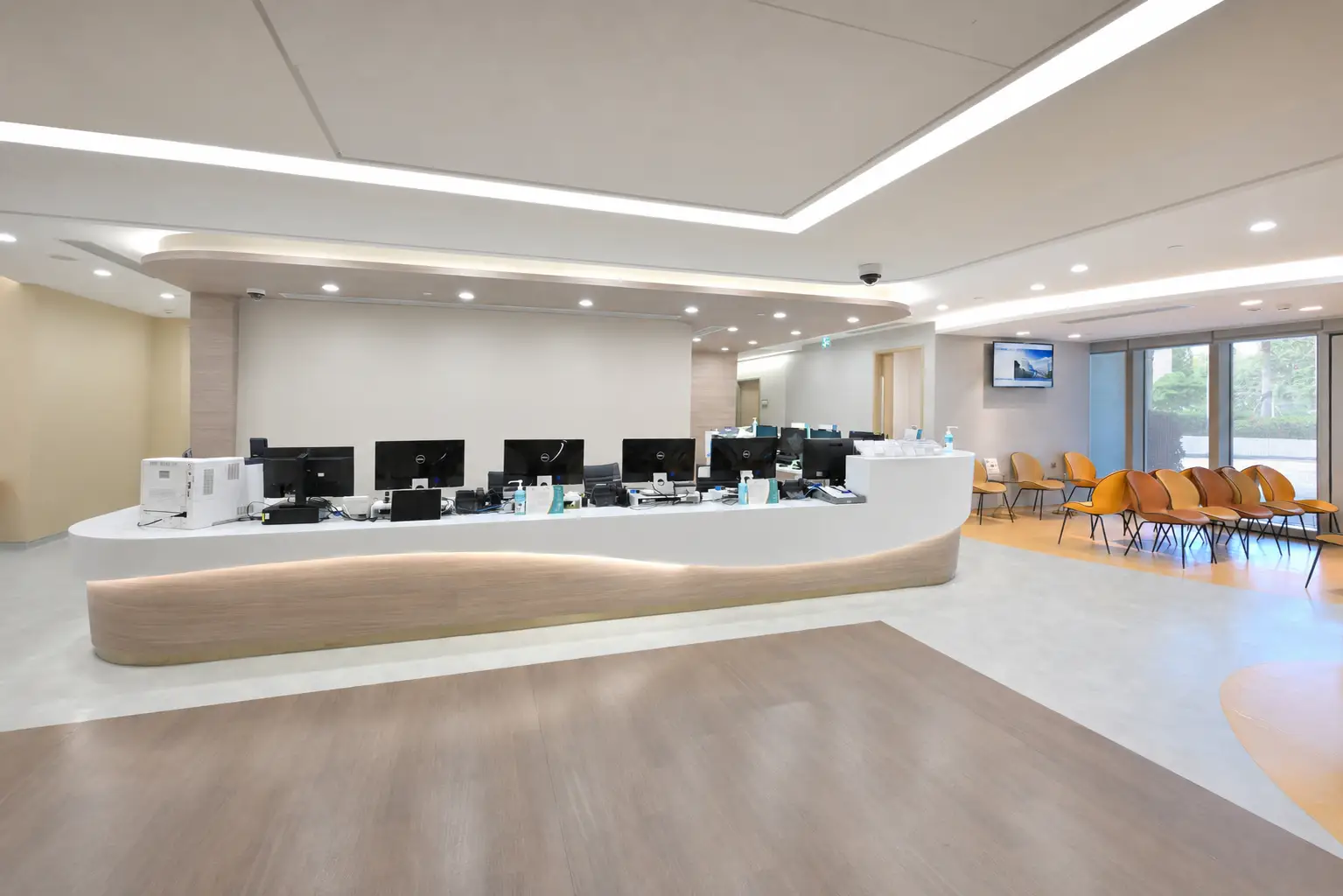
Ardent Capital Group is a specialist in commercial mortgages for day surgery operators across Australia. Our team can help you move from tenant to owner, and give you clear lending advice on structure and strategy.
- Funding capacity: Access finance from $100,000 to $10,000,000+, tailored to day surgery acquisition and fit-out.
- Track record: Over $500,000,000 facilitated across more than a decade for 1,000+ borrowers in healthcare and allied sectors.
- National coverage: Sydney, Melbourne, Brisbane, Perth, Adelaide, Canberra, Hobart and surrounding regional centres.
- Sector fluency: Structures that work with private health fund billing cycles, theatre list variability and accreditation timelines.
Owning vs Leasing Your Day Surgery
A compliant day hospital fit-out is capital intensive. Theatres, sterile services, HEPA-grade HVAC, medical gases, UPS or generator redundancy, recovery bays and nurse stations can run into seven figures. Owning the shell and integrating the fit-out creates stability, protects sunk cost and supports accreditation continuity.
Location is strategic. Proximity to referrers, parking ratios, patient access, and co-location with imaging or pathology tie clinical throughput to the address. Relocation is costly for day surgery, which strengthens the ownership rationale. Repayments build an owned asset that aligns with long-term clinical use.
Sector resilience matters. Elective lists ebb and flow, yet orthopaedics, ophthalmology, endoscopy, plastics and pain management show steady demand driven by demographics and insurer coverage. Lenders recognise the durability of medical use.
Main drivers:
- Control: Security over theatres, CSSD and recovery layout, with room to add capacity as lists grow.
- Capital preservation: Protect the value of high-spec fit-out elements that have limited alternate-use value to a third-party landlord.
- Cost certainty: Replace escalation clauses with a fixed or planned amortisation profile.
- Equity creation: Direct occupancy spend into an appreciating asset on your balance sheet.
Ownership does not suit every plan. A short remaining lease with a likely relocation, a developing referral network that may shift catchment, or capital needed for clinical equipment and team growth can be good reasons to defer a purchase, and we will say so plainly. Our brokers work the full lender panel for a day surgery property loan, not a single bank.
What a Day Surgery Commercial Mortgage Looks Like
Deposit and LVR: A licensed day hospital is a specialised asset, so lenders and valuers assess it more conservatively than an ordinary consulting suite. Owner-occupier funding on a purpose-built day surgery building commonly sits around 60 to 70 per cent of the valuation, which means a 30 to 40 per cent contribution, and the theatre and sterile-services equipment is financed separately. Where recognised specialists are buying standard medical consulting rooms rather than a full theatre complex, some healthcare lenders fund up to 100 per cent of the purchase price on the property alone with no additional security, though the specialised fit-out in a day hospital is valued below cost and steps that band down.
Loan term and structure: Banks commonly write commercial terms of 10 to 15 years, while non-bank lenders extend to 25 to 30 years. Repayments can be principal and interest for steady amortisation, or interest only for a period to prioritise cash flow during commissioning or list ramp-up.
Security and serviceability: The property is the primary security. Lenders assess business financials, private health fund remittance patterns, EBITDA, clinician contracts, and serviceability under stressed interest cover. They will separate real property value from specialised fit-out where appropriate.
Owner-occupier treatment: Owner-occupied medical property is generally viewed favourably. Stable trading, accreditation, and low vacancy risk in medical precincts support pricing and terms, and the rent you stop paying as a tenant can be counted toward servicing the loan.
Common Ways to Hold the Property
Many day surgery operators hold the real property in a separate entity, often a company or unit trust, and lease it to the trading entity at commercial rent. A lender reads that inter-entity rent as the serviceability line, sees trading risk separated from the asset, and finds partner changes in the operating business simpler to accommodate. Ardent arranges the lending around structures like this, and your accountant confirms how the property and trading entities are held before settlement.
SMSF ownership: Commercial premises typically qualify as business real property, so a self-managed super fund can acquire the building under a limited recourse borrowing arrangement, held in a bare (custodian) trust while the loan runs, and lease it to the trading entity at market rent. The arrangement funds the property alone, so theatre fit-out and equipment are financed separately outside the fund, the fund needs its own deposit because cross-collateralising with other assets is not available inside super, and SMSF lenders commonly hold a day hospital, as a specialised security, to a 65 to 75 per cent band. Where the building is a shell still to be fitted out, the bare trust needs to be in business use at settlement, which is worth confirming early. Ardent arranges the lending itself; your accountant and SMSF specialist settle the tax, super and ownership position across the fund, the property trust and the trading company before contracts exchange.
How Your Application Is Assessed
- Business financials: Historical and year-to-date results, EBITDA quality, payer mix, and pipeline of booked theatre lists.
- Serviceability: Interest cover, sensitivity to payer delays, and headroom for list downtime or commissioning periods.
- Property and valuation: Medical zoning or permissibility, parking ratios, building services capacity for healthcare (HVAC, gases, power), and valuation excluding highly specialised fit-out where required.
- Deposit and equity: Cash, retained profits, or the ability to leverage your equity in other property to form the contribution.
- Lease and occupancy: For sale-and-leaseback or multi-tenant sites, rent roll quality, WALE and market rent evidence. For owner-occupier, a robust internal lease to the trading entity.
A specialist broker familiar with day surgery operations can present the right structure and evidence to the right lenders.
How This Might Look in Practice
This is an illustrative scenario that shows the kind of situation we can assist with, and how the thinking might run.
- Situation: An established ophthalmology day surgery in suburban Melbourne, two theatres and eight recovery bays, renting 650 sqm within a medical precinct. Current rent $380,000 per annum net, three years plus a five-year option remaining.
- Goal: Purchase two adjoining strata titles in the same building for $4,200,000 and fund a $1,200,000 upgrade to HVAC, sterilisers, scopes and theatre lighting.
- Profile: EBITDA $1,100,000, cash at bank $600,000, existing equipment finance $450,000 outstanding, directors hold residential property with available equity of about $800,000.
- Structures a lender would see: a property trust with leaseback to the trading company, part acquisition within an SMSF on a market-rate lease, or direct purchase by the trading company with an internal lease documented.
- Funding paths to weigh:
- Path A: a senior facility around 65 per cent of the property value (about $2,730,000), with the balance formed by cash and the ability to leverage your equity in the directors' homes, and the fit-out and equipment financed over five to seven years to preserve working capital.
- Path B: a lower senior facility plus a second mortgage or vendor terms to reduce the cash outlay, with pricing trade-offs and a clear exit by amortisation or refinance.
- Path C: an SMSF acquires one title under a limited recourse borrowing arrangement while a property trust acquires the other, both leased to the trading entity at market rent to align the succession plan.
- How we would approach it: we would map the ranges, structures and repayments, then talk them through with you and your accountant. The figures above are illustrative, not confirmed outcomes, and the choice of path would remain yours.
Finance Types for Day Surgery Owners
- Asset finance for day surgery equipment: Fund anaesthetic machines, C-arms, microscopes, endoscopy stacks, sterilisers and washer-disinfectors through day surgery equipment finance, without draining cash.
- Fit-out and refurbishment finance: Cover theatres, CSSD, HEPA-grade HVAC, medical gases and compliant fire egress while keeping mortgage proceeds focused on the property.
- Working capital loans: Smooth the commissioning phase and list growth with working capital for a day surgery, bridging payroll and consumables ahead of private health fund remittances.
- Business overdraft: Manage timing gaps from Medicare and insurer payments with a revolving facility tied to your operating account.
- Refinancing and debt consolidation: Restructure multiple equipment and short-term facilities into a cleaner profile that supports the property purchase.
- Construction and renovation: Fund an additional theatre, expand Stage 1 and Stage 2 recovery, or convert office space to Class 9a-compliant day hospital use.
- Business or premises acquisition finance: Buy into a partnership, acquire a competitor list, or purchase adjoining suites to secure patient flow and expansion.
These facilities interact. Owning the premises can free equity for future upgrades, while a refinance can consolidate facilities and improve serviceability metrics.
A Broker Who Knows Day Surgery Property
Ardent Capital Group is a specialist in commercial mortgages for day surgery operators. We arrange and structure finance around how you intend to hold and occupy the property, then match that structure to lenders who understand medical risk.
We service Sydney, Melbourne, Brisbane, Gold Coast, Perth, Adelaide, Canberra and surrounding metro and regional areas. Our team has helped facilitate over $500,000,000 in funding over a decade for more than 1,000 borrowers. Talk to us about a clear path to ownership and the strategy behind it.
Your Questions Answered
What deposit do I need to buy a day surgery property?
A licensed day hospital is a specialised asset, so plan for a 30 to 40 per cent contribution, with owner-occupier funding commonly around 60 to 70 per cent of the valuation. Recognised specialists buying standard consulting rooms can access higher bands with the right lender.
Can my SMSF buy our day surgery premises and lease it back?
Yes, commercial premises typically meet business real property rules. An SMSF can hold the asset and lease it to your trading entity at market rent under a limited recourse borrowing arrangement, subject to contribution and lending limits, and your accountant confirms the detail.
How do lenders treat specialised fit-out and equipment in valuation?
Valuers focus on the real property. Highly specialised items such as sterilisers, gases and theatre lights are often excluded from core value and funded separately under asset finance.
Are terms different for owner-occupier versus investment purchases?
Owner-occupiers generally access higher LVRs than pure investors because medical vacancy risk is low and trading cash flow supports serviceability. Investment purchases are assessed on the lease covenant and WALE.
What loan term suits a day surgery?
Banks commonly write 10 to 15 year terms and non-bank lenders extend to 25 to 30 years. Many operators start interest only for a short period during commissioning, then move to principal and interest once lists stabilise.
Can I fund a conversion to day surgery use rather than buy a built facility?
Yes, subject to planning and Class 9a day hospital requirements. Lenders will assess build cost, approvals, services capacity and a completion valuation supported by medical use.
How long does approval and settlement usually take?
With clean financials and an engaged valuer, credit approval can come in two to four weeks, with settlement following valuation, legal and entity setup. Complex structures or construction components can extend timelines.
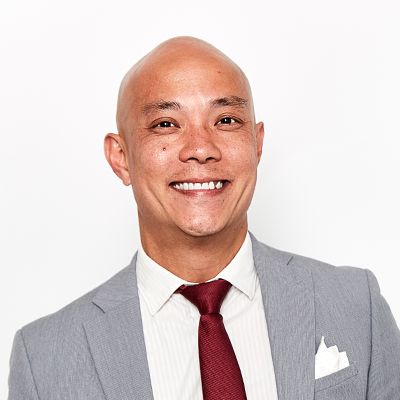
Written by
Nick Chong
Managing Director, M.AppFin, Dip. Mortgage Mgmt
Nick holds a Bachelor of Agricultural Economics, a Master of Applied Finance and an Advanced Diploma in Financial Planning. He founded Ardent Capital in 2016 after more than a decade in financial planning and mortgage broking. For the past ten years he has led a team of finance specialists, mortgage advisers, brokers and credit analysts, all working to secure optimal outcomes for clients and always acting in their best interests. The team brings both a qualitative and a quantitative approach to every deal.