

What Goes Into a Dental Practice Commercial Mortgage
Buying the premises your dental practice trades from is a defining step for any principal. At Ardent Capital Group we speak with dentists about this kind of commercial property purchase, so this guide walks through how a lender reads a practice, the deposit to plan for, and the structures that keep more capital in the chair.
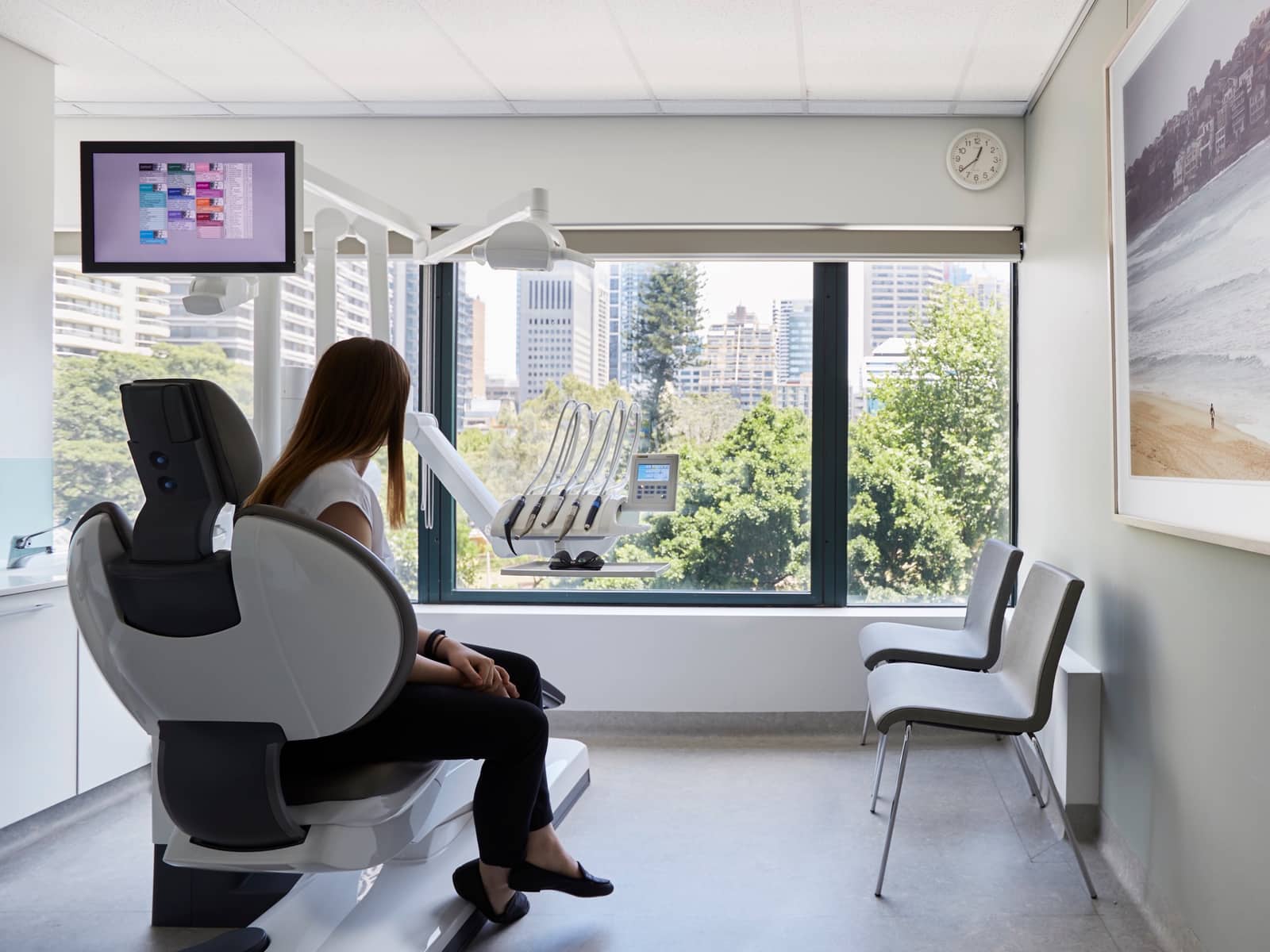
Ardent Capital Group is a specialist in commercial mortgages for dental practice owners across Australia. Our team can help you move from tenant to owner, and give you clear lending advice on structure and strategy.
- Funding capacity: Access finance from $100,000 to $10,000,000+, matched to your practice size and plans.
- Track record: Facilitated over $500,000,000 in funding across a decade for more than 1,000 borrowers.
- National coverage: Sydney, Melbourne, Brisbane, Perth, Adelaide, Canberra, Hobart and surrounding regional towns.
- Practice-first approach: Owner-occupied commercial property strategies for dental clinics, including trusts, companies and SMSF.
Reasons to own your premises
Dental clinics carry high sunk costs in fit-out and compliance. Chair plumbing to each operatory, suction and compressor plant, radiation shielding for OPG or CBCT, a sterilisation room with validated workflow, cabinetry and sound treatment create a site-specific investment. The address anchors your patient base, your recall system and your referrer relationships. Ownership converts rent into repayments that build an asset, stabilises occupancy costs, and supports longer-term expansion, such as adding rooms or integrating digital dentistry spaces.
Key drivers for dental owners:
- Control of a clinical asset: Secure rooms laid out for your model of care, with signage, branding and opening hours on your terms.
- Capital alignment: Repayments build equity in a hard asset while the practice funds equipment on matched terms.
- Location and patient retention: Proximity to schools, family density, parking and visibility keep hygiene and recall programs effective.
- Sector resilience: Healthcare demand is steady, with diversified revenue across examinations, hygiene, restorative and specialist referrals.
Buying will not suit every plan. A short remaining lease with a likely relocation, an impending move to a larger multi-chair site, or capital that produces better returns through a new associate, marketing or a digital workflow upgrade can tilt the decision toward waiting. The call rests with you and your growth path.
How the finance works for a dental practice
Deposit and LVR. A dental practice is standard commercial security, which gears to around 80 per cent, so a deposit near 20 per cent is the common starting point. Dentists are a recognised profession, and specialist healthcare lenders such as BOQ Specialist and Medfin will fund up to 100 per cent of the purchase price for an owner-occupier on the practice property alone, without taking your home as additional security. LVR is measured against the lender's valuation, not the price you pay.
Loan term and structure. Terms commonly run 10 to 15 years with a bank and out to 25 to 30 years with a non-bank lender. You can structure principal and interest for steady amortisation, or interest only for a period to prioritise cash flow while you commission new rooms or bed in a new associate.
Security and serviceability. Lenders take the property as primary security. They assess serviceability using business financials, tax returns, BAS, and current-year management accounts. For dental, they look for stable billings, hygiene contribution, practitioner drawings that can be normalised, and addbacks such as depreciation or one-off refit expenses.
Owner-occupier treatment. Banks generally favour owner-occupied medical and dental premises. Lower risk weights and deeper appetite can apply where the trading entity is the occupant and performance supports the debt.
How the purchase is usually structured
Many dental practice operators buy the building in a separate entity, such as a discretionary or unit trust or a company, which then leases the premises to the dental trading entity at a commercial rent. A lender reads that inter-entity rent as the serviceability line, sees a clear rental trail between two entities, and secures against the property while the trading business stands on its own. Ardent Capital Group arranges the lending around whichever entity holds the freehold, with the practice's accountant confirming the trust or company structure that suits before settlement.
Where a self-managed super fund is involved, the finance is arranged differently:
- Commercial premises generally qualify as business real property, so an SMSF can hold the building and lease it to your practice at market rent.
- The finance runs through a limited recourse borrowing arrangement, held via a bare (custodian) trust, with the loan assessed against a lower LVR and a liquidity buffer for pensions, contribution caps and ongoing compliance costs.
- Ardent Capital Group arranges the LRBA lending itself, and the practice's accountant and SMSF specialist confirm the tax, super and ownership detail for the fund before contracts are exchanged.
What underwriters focus on
- Business financials and stability: Two to three years of financials and tax returns, BAS and year-to-date management accounts, billings mix across dentists, hygienists and OHTs, and any associate agreements that support continuity.
- Serviceability metrics: Historical EBITDA with appropriate addbacks, projected cash flow with the proposed rent, interest coverage buffers, and sensitivity to chair utilisation changes.
- The property and valuation: Zoning that permits medical use, strata by-laws that allow healthcare, access and parking, compliance areas such as sterilisation layout and radiation rooms, and a bank-ordered valuation.
- Deposit and equity position: Cash on hand, term deposits, equity in residential or other commercial property, and options to leverage your equity to lift the loan and keep cash in the practice.
- Lease and occupancy: Owner-occupier intent, any leaseback arrangement if a separate entity holds title, or existing tenant leases if buying an investment property.
- Borrower profile: Credit conduct, ATO position and director experience.
A specialist broker with dental sector experience compresses the process and presents your practice story in the way bank credit teams expect to see it.
A worked example
This is an illustrative scenario that shows the kind of situation we can assist with, and how the thinking might run.
- Profile: Principal dentist with a two-chair suburban clinic, strong hygiene program, renting 150 sqm rooms near schools and a shopping centre.
- Objective: Buy a 170 sqm strata medical suite for $1,600,000, retain cash for a $450,000 refit to add a third chair and CBCT.
- Position: $250,000 practice cash, $400,000 usable equity in the family home, clean credit, stable billings.
- Options we would map:
- Purchase in a family trust with corporate trustee, lease to the trading entity at market rent, targeting around 80 per cent on the property.
- A split facility that draws on home equity to lift the property loan and preserve cash for the fit-out.
- An SMSF purchase using an LRBA, with a lower LVR tolerance and a higher cash buffer, rent paid by the practice at market rate.
- Indicative lending: Property facility between $1,280,000 and $1,600,000 depending on structure and LVR, separate equipment facilities of $300,000 to $500,000 for chairs, sterilisers, CBCT and cabinetry, and a $100,000 to $250,000 working capital line for commissioning. These are illustrative possibilities based on the profile, not confirmed offers.
- Trade-offs to weigh: Cash buffer for commissioning, total cost of funds across property and equipment, personal security on higher-LVR paths, and the future plan to add a fourth chair.
- How we would approach it: We would map the ranges, structures and repayments, then talk through the path that fits the owner's risk appetite and growth plan. The figures above are illustrative, not confirmed outcomes.
Beyond the mortgage: dental practice finance
- Asset finance for dental equipment: Fund chairs, CBCT or OPG, compressors and suction plant, intraoral scanners, mills and sterilisers with dental equipment finance on terms aligned to asset life.
- Fit-out and refurbishment finance: Cover surgery cabinetry, sterilisation room build, radiation shielding and plumbing to new operatories without draining practice cash.
- Working capital loans: Smooth onboarding of a new associate, manage supplier terms with labs and consumables, and bridge claim timing with working capital for a dental practice.
- Business overdraft: Buffer weekly payroll and consumables against HICAPS and health-fund settlement cycles.
- Refinancing and debt consolidation: Replace multiple equipment leases and unsecured balances with a cleaner structure and clearer covenants.
- Construction and renovation: Convert a dwelling to medical use or extend existing rooms to add chairs, subject to approvals and compliance.
- Business or premises acquisition finance: Buy a competitor list, acquire additional premises, or fund a partner buy-in or buy-out with valuations that reflect dental goodwill.
Owning your rooms can anchor the practice while separate facilities fund equipment and commissioning. A refinance can later consolidate facilities as equity builds.
Working with a dental practice finance specialist
Ardent Capital Group positions your dental property finance around how you plan to hold and occupy the rooms, then structures the facilities to support cash flow and growth. We arrange commercial mortgages for owner-occupied dental clinics using trusts, companies and SMSF where appropriate.
We service Sydney, Melbourne, Brisbane, Gold Coast, Perth, Adelaide, Canberra and surrounding metro and regional areas.
Our team structures dental practice property loans for principals across Australia, and the right lender makes the difference. We have helped facilitate over $500,000,000 in funding across a decade for over 1,000 borrowers. If you are weighing a dental practice purchase, we would be glad to talk through the options.
Common questions
How much deposit do I need to buy dental premises? A dental practice gears to around 80 per cent as standard commercial security, so plan for a deposit near 20 per cent. As a recognised profession, dentists can often access more from a specialist healthcare lender, and we map the deposit to the lender that suits your file.
Can I buy the clinic property through my SMSF? Yes, commercial premises generally qualify as business real property. Your SMSF can hold the building and lease it to your practice at market rent, subject to LRBA rules, contribution caps and liquidity requirements.
Can the fit-out and equipment sit inside the property loan? Some banks will include a portion of base-build or fit-out within the property facility, but most dental equipment is better funded under dedicated asset finance to align the term to useful life.
How do banks view a practice that relies on associates and hygienists? They look for diversified and stable billings, signed agreements that show continuity, and owner drawings that let the property loan be serviced with headroom.
Can I use equity in my home to reduce the cash deposit? Yes, lenders may allow a second mortgage or a separate facility against your home so you can leverage your equity and keep cash for commissioning.
What if I plan to relocate the clinic in three to five years? You can buy with an investment lens and lease to a third party, or defer the purchase to keep capital for growth. Weigh the purchase costs, relocation timing and your expansion model.
How long does approval and settlement usually take for a dental property? A typical timeline is four to eight weeks, driven by valuation, legal review, any strata or zoning items, and your financial package. SMSF structures often require more time.
Written by
Nick Chong
Managing Director, M.AppFin, Dip. Mortgage Mgmt
Nick holds a Bachelor of Agricultural Economics, a Master of Applied Finance and an Advanced Diploma in Financial Planning. He founded Ardent Capital in 2016 after more than a decade in financial planning and mortgage broking. For the past ten years he has led a team of finance specialists, mortgage advisers, brokers and credit analysts, all working to secure optimal outcomes for clients and always acting in their best interests. The team brings both a qualitative and a quantitative approach to every deal.