
What Takeaway Shop Owners Should Know About Commercial Property Finance
Many fast food and takeaway shop owners still rent the site that anchors their brand and cash flow, yet owning the freehold can turn rent into repayments on an asset you control. Ardent Capital Group speaks with takeaway operators about this kind of purchase, and this guide walks through how the finance works.
Ardent Capital Group is a specialist in commercial mortgages for fast food and takeaway shop operators across Australia. Our team can help you move from tenant to owner, and give you clear lending advice on structure and strategy.
- We arrange finance from $100,000 to $10,000,000+, matched to your trading profile and property.
- We have helped facilitate over $500,000,000 in funding over a decade for more than 1,000 borrowers.
- We structure loans for owner-occupiers, investors and SMSFs, with clear guidance on terms and security.
- We service Sydney, Melbourne, Brisbane, Perth, Adelaide, Canberra, Hobart and surrounding regional towns.
The case for owning your takeaway shop premises
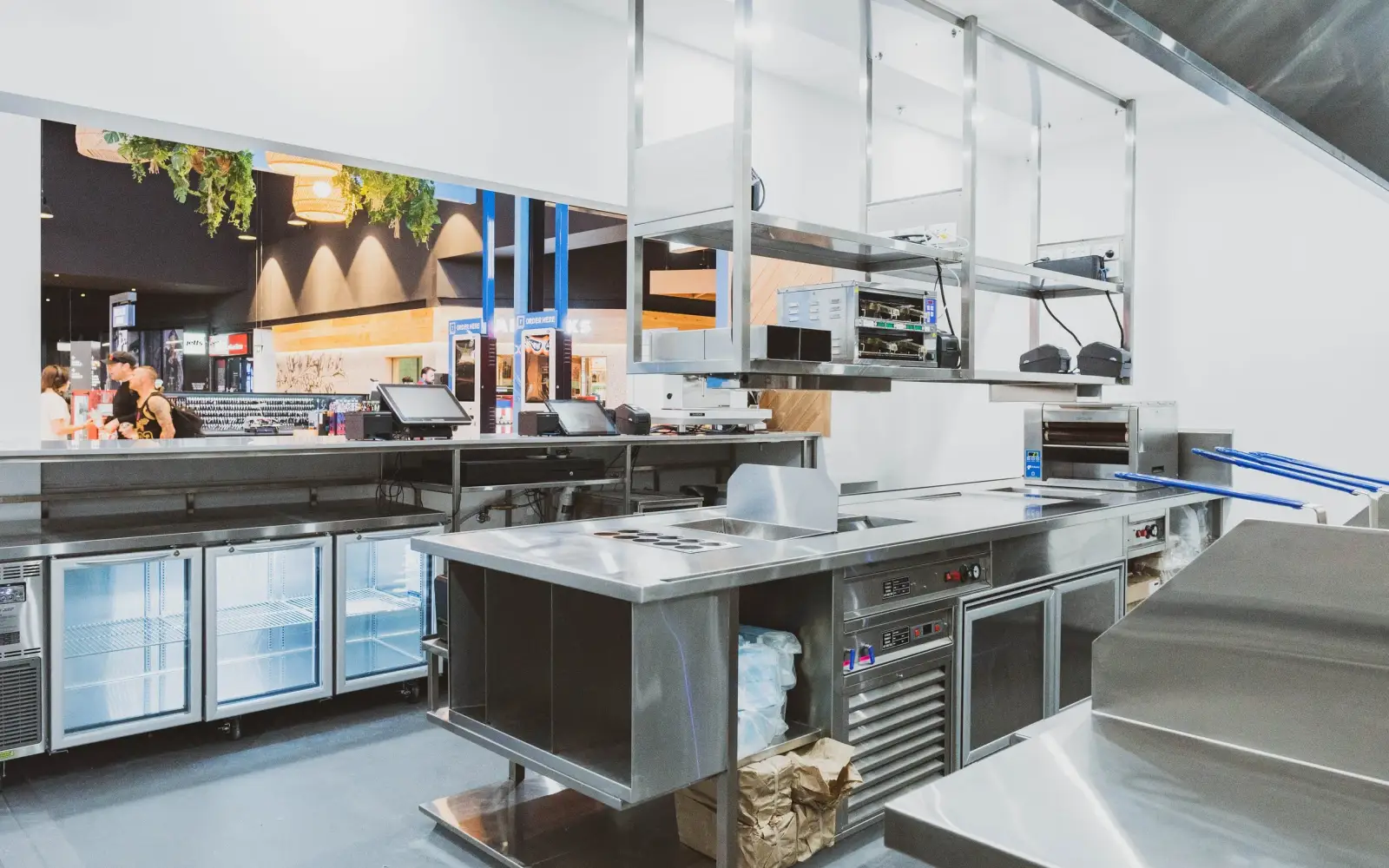
Your address carries the trade. Foot traffic, parking access, delivery radius and visibility translate into orders. A fitted kitchen is a sunk cost that is hard to pick up and move. Exhaust, grease traps, fire suppression, cool rooms, point of sale, drive-through infrastructure and signage are significant investments. Ownership brings control of the site, control of rent and control of future upgrades.
Takeaway trade holds up well through cycles. High-frequency purchases, late trading and delivery aggregation support turnover. As repayments reduce principal, you build equity in a property designed for your operation. Rent reviews can escalate faster than revenue, and owning stabilises occupancy cost and preserves the fit-out you have paid for.
Main drivers:
- Strong link between site and sales, including delivery catchment, car access, corner exposure and drive-through stacking capacity.
- High fit-out cost that is specific to food use, including rangehoods, make-up air, grease management and cold chain.
- Control over operating hours, signage and minor works approvals that can otherwise sit with a landlord.
- Repayments that build an owned asset while you run the business, rather than open-ended rent.
Buying may not suit where the lease horizon is short with a planned relocation, where centre redevelopment or roadworks may change access, or where capital is better deployed into adding sites, refurbishing a flagship store or marketing to lift order volume. The decision belongs to you.
Our team arranges a takeaway shop property loan for operators across Australia, and the right lender makes the difference.
How a commercial mortgage works for a takeaway shop
Deposit and LVR. Typical loan-to-value ratios for a freehold takeaway premises sit between 60 and 70 per cent, which means a 30 to 40 per cent deposit. Where your store trades under an accredited franchise system, some lenders hold brand-specific panels and can lend at better terms than for an independent site. A business-only or leasehold purchase, where you buy the store but not the building, gears lower, commonly 40 to 50 per cent, with the term capped by the remaining lease. A full 100 per cent of the purchase can be funded only where you add cross-collateralised security over another property you own.
Loan term and structure. Terms commonly run 10 to 15 years with a bank and 25 to 30 years with a non-bank lender. Where the store operates under a franchise agreement, the loan term is often capped to sit inside the agreement's remaining term. You can choose principal and interest for steady amortisation, or interest only for a period to preserve cash flow during refurbishment or growth.
Security and serviceability. The property is the primary security. Lenders assess business financials, BAS, tax returns, bank statements and food platform settlements, and they test serviceability under assumed interest rates. Guarantees may be required. A stable trading history and clear cost control help.
Owner-occupier treatment. Lenders generally view an owner-occupied purchase favourably because the business occupies and maintains the asset. This often improves pricing and the maximum LVR compared to an investment purchase.
How the deal is put together
Many takeaway operators hold the freehold in a separate entity, such as a company or trust, then lease the premises to the trading company at a market rent. A lender then reads the inter-entity rent as the serviceability line, and the arrangement separates operating risk from the property, keeps rent accounting clean, and can assist with succession planning. Ardent Capital Group puts the lending together around a holding arrangement like this, and your accountant signs off on which entity actually suits your tax position.
SMSF purchases. Commercial premises usually qualify as business real property, so an SMSF can hold the building and lease it back to your business at a market rent under a written lease. The finance sits in a separate holding trust with limited recourse, and the fund needs its own deposit because cross-collateralisation is not available inside super. LVRs are lower, the documentation is heavier, and the related-party lease must be at market rent and actually paid. Ardent puts the lending side of a purchase like this together, while your fund's accountant and an SMSF specialist sign off on whether the trust, tax and lease-back arrangement actually stack up for a takeaway operation before contracts go unconditional.
What credit teams weigh up
- Business financials and trading history, including revenue mix across dine-in, takeaway and delivery platforms, gross margin and payroll profile over 12 to 24 months.
- Serviceability, tested with interest rate buffers and verified against BAS, tax returns, POS and platform settlement reports.
- The property and valuation, including zoning for food use, strata by-laws that allow extraction, grease trap size and compliance, fire and gas certifications, parking and drive-through access if relevant.
- Deposit and equity position, including cash, retained earnings, pledged term deposits or equity from other property.
- Lease and occupancy, where buying strata or long ground-leased sites, with attention to exclusive use, venting rights and signage rights.
- Franchise agreements, if applicable, including tenure, approved supplier obligations and refurbishment cycles that affect cash flow.
A specialist broker who understands fast food and takeaway operations can package this detail efficiently and present a clear credit story to the right lender.
A situation we could help with
This is an illustrative scenario that shows the kind of situation we can assist with, and how the thinking might run.
- Situation: Owner-operator of two quick-service chicken shops in suburban Brisbane wants to buy the strata shopfront currently leased for the flagship store. Purchase price $1,500,000, existing fit-out invested at $280,000, cash on hand $220,000, home equity of $350,000, stable EBITDA with strong weekend and delivery volumes.
- Options mapped: a 60 to 70 per cent LVR owner-occupier mortgage against the freehold, or a higher effective figure by adding the family home as cross-collateralised security to reduce the cash deposit, or an SMSF purchase with a related-party lease at market rent.
- Structures weighed: buy in a family trust with a corporate trustee and a formal lease to the trading company, or buy in an SMSF with a lower LVR and heavier documentation, or co-own in a property unit trust to share funding and risk between partners.
- Loan settings: a 20-year term with principal and interest for steady equity build, or 2 years interest only during a planned kitchen upgrade, then principal and interest once the refurbishment invoices settle.
- How we would approach it: we would map the ranges, structures and repayments against the current rent and outline lender appetite, for example a trust purchase at around 70 per cent LVR using cash plus a small equity release from the home to cover stamp duty and costs, or an SMSF purchase at a lower LVR with a higher cash contribution and a longer timeline. The decision stays with the client and the figures above are illustrative, not confirmed outcomes.
Other finance we arrange for takeaway shop operators
- Asset finance for kitchen equipment. Takeaway equipment finance for fryers, grills, combi ovens, steamers, hot holding, dishwashers, walk-in cool rooms and POS terminals that your menu and throughput rely on.
- Fit-out and refurbishment finance. Funding for extraction upgrades, grease trap installs, floor and wall finishes, counters and customer area refresh to meet brand standards.
- Working capital loans. Short-term cash and working capital for a takeaway covering opening stock, cooking oil, packaging, marketing and delivery platform campaigns across peak seasons.
- Business overdraft. A revolving limit to manage weekly payroll, utilities and supplier cycles tied to card settlements and platform payouts.
- Refinancing and debt consolidation. Restructure higher-cost facilities into a single arrangement that aligns with your trading pattern and cash conversion.
- Construction and renovation. Funding for drive-through lanes, car park changes, click-and-collect bays and DA-related works that increase throughput.
- Business or premises acquisition finance. Buy the freehold going concern, buy out a partner or acquire an additional store while keeping occupancy cost in check.
Owning the premises can stabilise occupancy cost and, over time, free equity that supports store refreshes or expansion, while a refinance can consolidate multiple facilities into a cleaner structure.
Why takeaway shop owners work with Ardent
Ardent Capital Group arranges and structures commercial mortgages for fast food and takeaway shop owners, with lending tailored to how you intend to hold and occupy the property. We coordinate terms, security and timing around your trading cycle and fit-out needs. We service Sydney, Melbourne, Brisbane, Gold Coast, Perth, Adelaide, Canberra and surrounding metro and regional areas. We have helped facilitate over $500,000,000 in funding over a decade for more than 1,000 borrowers. If you want clear advice and a direct path to optimal financial outcomes, talk to our team today.
Takeaway shop finance FAQs
How much deposit do I need to buy my takeaway shop premises? Most freehold takeaway purchases see 60 to 70 per cent LVR, which means a 30 to 40 per cent deposit. Where your store trades under an accredited franchise system, some lenders hold brand-specific panels and can lend at better terms than for an independent site.
Will lenders count Uber Eats, DoorDash and Menulog sales in serviceability? Yes, lenders will assess total trading revenue and typically review platform settlement statements alongside POS and bank data to verify stability and seasonality.
Can I include grease trap and extraction costs in the property loan? If the works are integral to the property and included in the contract or a structured build, some lenders will fund them under the mortgage, otherwise asset finance can cover kitchen equipment and installation.
Is a drive-through site viewed differently by lenders? Drive-through sites can be seen as stronger due to throughput and queue capacity, subject to valuation, site access, stacking lanes and council approvals.
Can my SMSF buy the freehold and lease it to my business? Commercial premises usually qualify as business real property, so an SMSF can buy the building and lease it back at a market rent under a written lease. The fund needs its own deposit because cross-collateralisation is not available inside super, LVRs are lower and the compliance is heavier.
Do franchise agreements affect my borrowing capacity? They can, as lenders review franchise tenure, refurbishment obligations, fees and approved supplier terms, and they prefer alignment between the franchise term and the loan horizon.
How is the purchase commonly structured? Common arrangements have a company or trust hold the freehold and lease it to the trading company at a market rent, with the lender reading that inter-entity rent as the serviceability line. The right arrangement is driven by tax, risk and succession planning, so we map the finance and your accountant confirms the structure.

Written by
Nick Chong
Managing Director, M.AppFin, Dip. Mortgage Mgmt
Nick holds a Bachelor of Agricultural Economics, a Master of Applied Finance and an Advanced Diploma in Financial Planning. He founded Ardent Capital in 2016 after more than a decade in financial planning and mortgage broking. For the past ten years he has led a team of finance specialists, mortgage advisers, brokers and credit analysts, all working to secure optimal outcomes for clients and always acting in their best interests. The team brings both a qualitative and a quantitative approach to every deal.