

How Forklift Dealer Owners Approach a Commercial Mortgage
Buying the yard, workshop and showroom your forklift and equipment dealership already trades from is a defining step for any operator. At Ardent Capital Group we speak with dealers about this kind of commercial property purchase regularly, so this guide walks through how a lender reads the premises and what shapes the numbers.
Ardent Capital Group is a specialist in commercial mortgages for forklift and equipment dealer operators across Australia. Our team can help you move from tenant to owner, and give you clear lending advice on structure and strategy.
- Access finance from $100,000 to $10,000,000+ across bank and non-bank lenders.
- Over $500,000,000 facilitated in funding over a decade for 1,000+ borrowers.
- Facilities structured for owner-occupiers and investors, including interest only and principal and interest.
- Service coverage across Sydney, Melbourne, Brisbane, Gold Coast, Perth, Adelaide, Canberra, Hobart and surrounding regional towns.
For a clear read on your borrowing position, a forklift dealership property loan is the place to start.
Why forklift dealer owners choose to buy
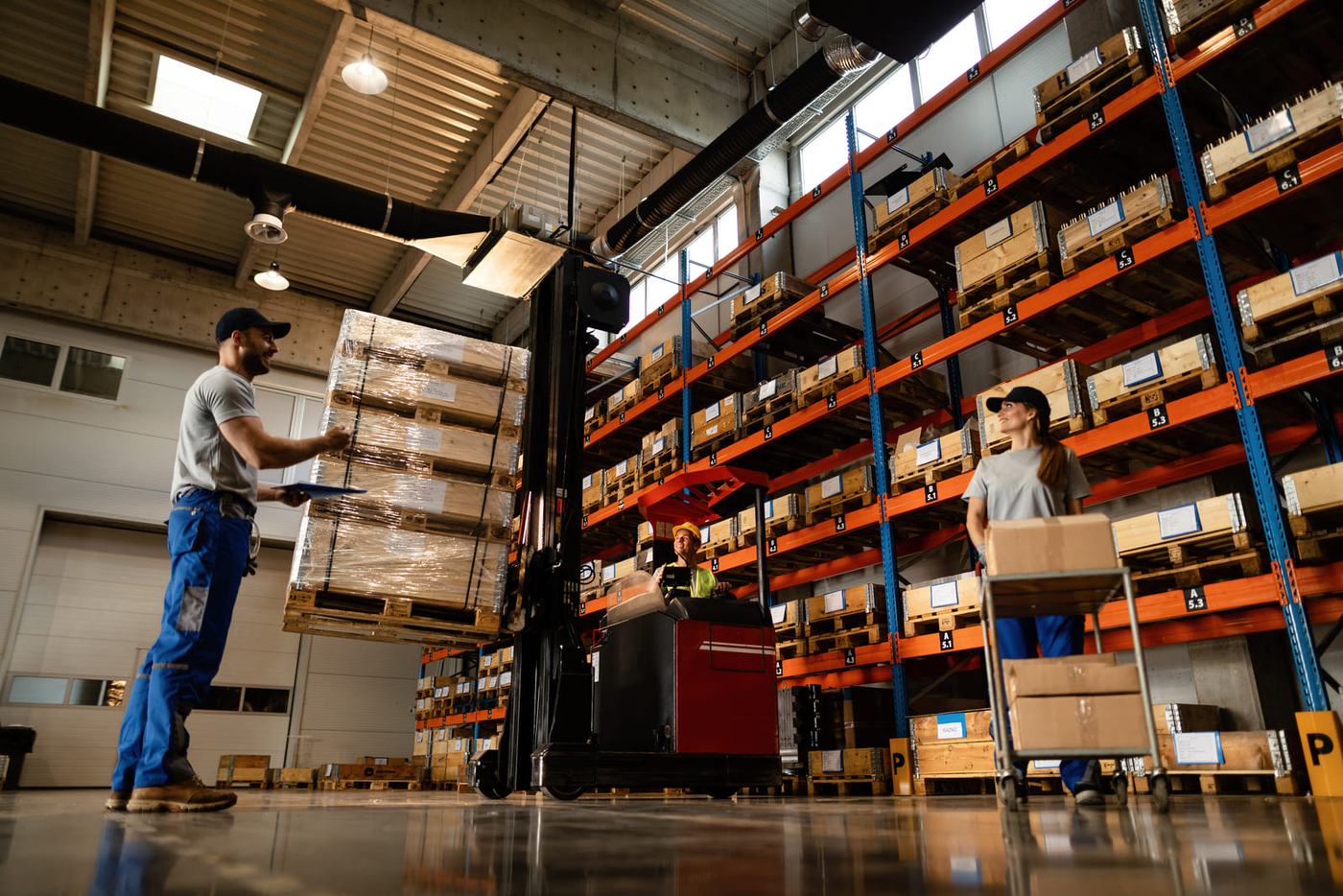
Dealership operations are asset and layout intensive. You need heavy-duty hardstand for display and demo, a column-free workshop with high clearance, three-phase power, battery charging rooms with ventilation and fire rating, compliant LPG storage cages, wash bays with trade-waste capture, parts mezzanines and truck-friendly access. Location ties you to an industrial catchment, with frontage for signage and drive-through access for B-doubles. Shifting sites is costly, disrupts OEM relationships and risks losing service customers.
Fit-out is real money. Common spends include reinforced slab upgrades, added three-phase points, fast chargers for lithium packs, spray booths, gantry cranes, racking, canopies and security fencing. Ownership lets you amortise these investments over time without landlord consent risk.
Parts and service revenue is resilient through cycles. Repayments build an owned asset and hedge rental inflation.
Main drivers for dealers:
- Control of yard, workshop and showroom layout, including hardstand, power and compliance fit-out.
- Customer proximity to industrial estates and logistics hubs, improving demo access and service turnaround.
- Stability for OEM signage, territory branding and parts warehousing.
- Repayments that build equity in the property, instead of rising rent outgoings.
Buying may not suit every operator. Where your lease horizon is short with a planned relocation, an OEM territory change is likely, or capital is better deployed into stock, floorplan support or technician hiring, staying as a tenant can be the sound call. The decision sits with you, and we are glad to talk it through.
How lenders approach a forklift dealer purchase
Deposit and LVR. A dealership workshop and showroom is standard commercial security, the same bucket a lender uses for an office or a warehouse. Owner-occupier premises typically gear up to around 80 per cent, so the deposit sits near 20 per cent. Sites that are mostly open yard or hardstand gear closer to 65 per cent, because there is less building and more land. In some scenarios up to 100 per cent of the price can be funded where additional property security or a blended structure supports it, and our broker team can explain how. Specialist-use improvements that are not permanent may be excluded by valuers.
Loan term and structure. Non-bank lenders commonly write terms of 25 to 30 years, while the banks usually publish 10 to 15. Loans are structured as principal and interest for steady amortisation, or interest only for a set period to preserve cash flow during relocation, consolidation or fit-out.
Security and serviceability. The property is the primary security. Lenders assess serviceability off business financials, typically three years plus year-to-date management accounts, with attention to EBITDA, addbacks, current rent versus proposed repayments, floorplan exposures, seasonality and parts versus new sales mix. They will factor proposed related-party rent if the property sits in a separate entity.
Owner-occupier treatment. Lenders generally view owner-occupier purchases favourably due to direct control of the asset, clearer cash flows and lower vacancy risk, which often results in sharper pricing and stronger appetite.
Ownership structures a lender sees
Many dealers hold the premises in a separate entity, such as a company or trust, and lease it to the trading business at a commercial rent. A lender then reads the inter-entity rent as the serviceability line, so this arrangement keeps property cash flows clean and can support asset protection. The lease should be at market rate, with clear terms on repairs, outgoings and options, which also supports valuation and bank assessment. Ardent Capital Group arranges the property finance around whichever entity structure you and your accountant settle on for the purchase.
The SMSF route. Commercial premises generally qualify as business real property, so an SMSF can hold the dealership building and lease it back to the trading entity at market rent, with the purchase funded through a limited recourse borrowing arrangement inside a bare (custodian) trust. The loan covers this single property only, the fund needs its own deposit because cross-collateralisation is not available inside super, and standard commercial security such as a workshop and showroom typically gears to 65 to 80 per cent. Fit-out, stock and the trading business itself sit outside the fund and are financed separately. Ardent arranges the property side of this; the accountant and SMSF specialist confirm whether the fund, the trust deed and the ownership settings actually stack up before contracts are exchanged.
The lender's checklist
- Business financials: Three years' financials and tax returns, year-to-date results, sales mix, gross margins, aftersales contribution and technician utilisation.
- Serviceability: EBITDA, addbacks, current rent versus proposed debt, floorplan limits and typical utilisation, overdraft behaviour, seasonality and sensitivity to rate rises.
- The property: Zoning suitable for showroom and industrial service, site access for heavy vehicles, hardstand condition and thickness, power capacity, clearance, wash bay and trade-waste, and compliance for battery charging and LPG storage.
- Valuation: Land and building value, permanence of improvements, comparable sales and market rent for the proposed related-party lease.
- Deposit and equity: Cash, retained profits, equity in other property and vendor terms where relevant.
- Lease and occupancy: Lease terms between the property entity and trading company, market rent evidence, options and outgoings responsibility.
A specialist broker who understands forklift dealership operations presents these points clearly and anticipates the lender's questions, so they are answered before they are asked.
One way this can play out
This is an illustrative scenario that shows the kind of situation we can assist with, and how the thinking might run.
- Situation: A Brisbane dealer with $18,000,000 revenue rents a 3,200 sqm site with 1,800 sqm of workshop and showroom at $480,000 per annum. The landlord offers a sale at $6,500,000 with a six-month settlement.
- Options mapped:
- Buy in a property trust with a market-rent lease to the trading company.
- A partial purchase in an SMSF with the balance in a property trust.
- Build on a nearby vacant industrial block using a construction facility and staged occupation.
- Deposit sources: Retained earnings, the sale of a non-core yard, and a plan to leverage your equity in the director's investment property to reduce the cash outlay.
- Likely lending range: Around 70 to 80 per cent LVR subject to valuation and serviceability, with interest only for 12 to 24 months during fit-out before switching to principal and interest.
- Lease settings: A related-party lease at market rent with three to five year terms and options, outgoings to the tenant, and rent aligned to the bank's assessment.
- After settlement: Fit-out finance to add fast chargers, a gantry crane and a hardstand upgrade while maintaining working capital headroom.
- How we would approach it: we would map the ranges, structures and repayments, then present the file to the lenders that suit it. The figures above are illustrative, not confirmed outcomes.
Other lending we can help with
- Asset finance for forklifts and plant: Fund new and used forklifts, reach trucks, telehandlers, lithium battery packs, fast chargers, service utes and workshop equipment through forklift equipment finance matched to asset life.
- Fit-out and refurbishment finance: Finance wash bays with trade-waste capture, gantry cranes, power upgrades, mezzanine parts storage, racking and safety systems without draining cash.
- Working capital: Smooth parts inventory buys ahead of peak months and cover OEM payment cycles while jobs convert to cash, with working capital for a dealership.
- Business overdraft: Support day-to-day fluctuations in service throughput, warranty claims and debtor timing.
- Refinancing and debt consolidation: Reset pricing and consolidate legacy facilities and balloon amounts to improve monthly cash flow and covenant clarity.
- Construction and renovation: Fund new hardstand, additional service bays, canopies and showroom extensions tied to staged drawdowns.
- Business or premises acquisition finance: Buy a competitor, a territory, or the premises next door to expand display and workshop capacity.
Owning the premises can free equity over time, and a well-timed refinance can consolidate facilities to simplify banking and reduce total cost.
Talk to a forklift dealer finance specialist
Ardent Capital Group arranges and structures commercial mortgages for forklift and equipment dealers. We align the finance with how you intend to hold and occupy the property, including related-party leases, SMSF overlays and cash-flow sequencing for fit-out.
We service Sydney, Melbourne, Brisbane, Gold Coast, Perth, Adelaide, Canberra and surrounding metro and regional areas. We have helped facilitate over $500,000,000 in funding over a decade for over 1,000 borrowers.
This is the kind of purchase where the structure and the strategy matter as much as the rate. We give business owners clear advice on both, so the finance supports the wealth you are building and the years ahead, not just this settlement. When you are weighing up a dealership purchase, we would be glad to talk it through.
Questions we're often asked
What deposit do I need to buy a forklift dealership property? A dealership workshop and showroom is standard commercial security, so owner-occupier premises typically gear up to around 80 per cent, which means a deposit near 20 per cent. Sites that are mostly open yard or hardstand gear closer to 65 per cent.
Will my floorplan finance limit how much I can borrow for the building? Yes. Lenders look at your floorplan limits, typical utilisation, curtailments and interest support. They assess total debt service across the mortgage, floorplan and working capital to confirm there is headroom.
How do valuers treat specialist fit-out like chargers, gantry cranes and wash bays? Valuers focus on land and building and on permanent improvements. Removable or highly specialised items may add little to value, so plan fit-out finance accordingly.
Can my SMSF buy the premises and lease it to my dealership? Generally yes, where the property qualifies as business real property and the lease is at market rent. Expect lower LVRs, stricter liquidity and additional documentation compared with a standard purchase.
Do owner-occupiers get different pricing or LVRs than investors? Often yes. Owner-occupiers usually see stronger lender appetite, sharper pricing and, at times, higher LVRs due to lower vacancy risk and clearer cash flows.
What environmental and safety items do lenders check for dealer sites? Expect scrutiny on trade-waste for wash bays, battery charging ventilation, hazardous goods storage, asbestos status and any contamination risk from past uses, with reports ordered as needed.
How long does a commercial mortgage take to settle? Allow six to eight weeks, depending on valuation timing, environmental checks and how quickly financial information and lease terms are finalised.

Written by
Nick Chong
Managing Director, M.AppFin, Dip. Mortgage Mgmt
Nick holds a Bachelor of Agricultural Economics, a Master of Applied Finance and an Advanced Diploma in Financial Planning. He founded Ardent Capital in 2016 after more than a decade in financial planning and mortgage broking. For the past ten years he has led a team of finance specialists, mortgage advisers, brokers and credit analysts, all working to secure optimal outcomes for clients and always acting in their best interests. The team brings both a qualitative and a quantitative approach to every deal.