

How Skin and Cosmetic Clinic Owners Approach a Commercial Mortgage
Owning the premises your skin, cosmetic or laser clinic already runs from turns rent into equity in an asset that carries your brand, your client base and your fit-out. At Ardent Capital Group we speak with clinic owners about this kind of commercial property purchase, and this guide walks through how a lender reads the deal and what moves the number.
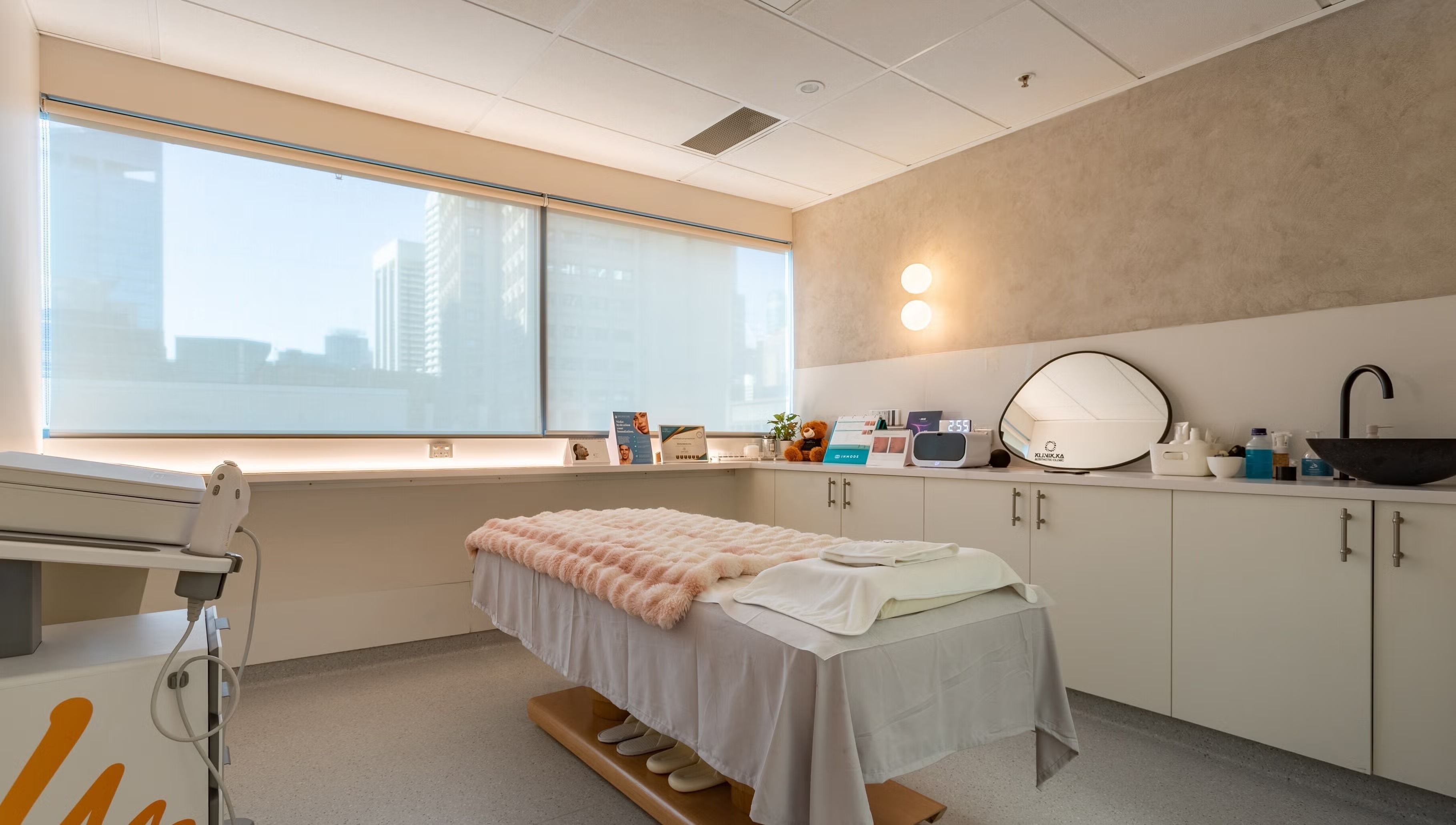
Ardent Capital Group is a specialist in commercial mortgages for skin, cosmetic and laser clinic operators across Australia. Our team can help you move from tenant to owner, and give you clear lending advice on structure and strategy.
- We arrange finance from $100,000 to $10,000,000+, across banks and specialist lenders.
- We have facilitated more than $500,000,000 in funding over a decade.
- We service Sydney, Melbourne, Brisbane, Perth, Adelaide, Canberra, Hobart and surrounding regional towns.
- We structure loans for owner-occupiers and investors with clear plans for cash flow and growth.
A specialist broker matters here, which is where our skin clinic property loan desk comes in.
Why skin and cosmetic clinic owners choose to buy
A clinic's address and fit-out are not incidental. Treatment rooms, privacy, electrical load for energy-based devices, infection control, HVAC, waiting areas and accessible parking all shape client experience and revenue. High-spec fit-outs and medical-grade devices create sunk costs that tie you to a site for years. Ownership converts that anchor into a balance sheet asset.
Repayments build equity while you control signage, opening hours and future refurbishments without landlord constraints. The sector is supported by recurring treatment plans, memberships and pre-paid packages, which add stability to cash flow when well managed. Clinics often cluster near complementary health providers and affluent catchments, which amplifies the value of a tightly held location.
Key drivers:
- Control of a critical site: protect your client base, referral patterns and brand presentation at a proven address.
- Fit-out investment retained: cabinetry, plumbing to each room, power upgrades for lasers, autoclaves and chillers remain useful over a long horizon.
- Cash flow matched to equity growth: repayments build ownership rather than escalating rent, with rents to yourself set at commercial terms.
- Long-term value: potential future sale of the business with a lease in place to your property entity, or exit by selling the premises with a tenanted yield.
When buying may not suit: a short remaining lease with likely relocation, a planned move to a larger or multi-site model, or capital that would produce better returns in new device acquisitions, clinician recruitment or client acquisition. The decision sits with you.
How lenders approach a skin and cosmetic clinic purchase
Deposit and LVR. A clinic's premises is usually standard commercial security, which typically gears to around 80 per cent, so a deposit near 20 per cent. Where the clinic is led by a recognised medical practitioner such as a doctor, specialist healthcare lenders can fund up to 100 per cent of the purchase price on the property alone, without additional security. LVR is measured against the lender's valuation, not the price.
Loan term and structure. Terms commonly run 10 to 15 years with a bank and 25 to 30 years with a non-bank lender. You can structure as principal and interest for steady equity build, or interest only for a period if you are prioritising cash flow during a refit or device rollout.
Security and serviceability. The property is the primary security. Lenders assess business financials and your ability to service repayments from clinic earnings, including addbacks where appropriate. Secondary security can include residential property or other commercial property.
Owner-occupier treatment. Lenders generally view owner-occupied premises favourably due to stability of use and alignment of incentives. Mixed use, for example partial owner-occupation with allied health tenants, can still be attractive with the right lease profile.
Ownership structures a lender sees
Many skin, cosmetic and laser clinic operators hold the property in a separate entity, such as a company or trust, and lease the premises to the trading business at a commercial rent. A lender then reads that inter-entity rent as the serviceability line, which keeps operating risk and the property asset apart and can support future succession where the business is sold and the property retained.
SMSF note for professional and high-fit-out operators: commercial premises generally qualify as business real property, so an SMSF can hold the building and lease it back to the clinic at market rate. The appeal includes asset protection and retirement alignment; the trade-offs include contribution caps, liquidity requirements, stricter compliance and typically a higher deposit. We take care of the finance and the right lender for the security, while your accountant, and an SMSF adviser where relevant, confirm the tax and compliance side.
The lender's checklist
- Business financials: recent BAS, tax returns, profit and loss and balance sheet, with attention to memberships, pre-paid packages and treatment plan accruals.
- Serviceability: EBITDA, normalised addbacks, clinician wages or contractor payments, and directors' income. Stability of high-margin treatments such as laser hair removal, fractional resurfacing and injectables.
- Clinician profile: registration and insurances for doctors and nurses, tenure of key practitioners, contractor agreements and succession if a practitioner departs.
- Equipment and maintenance: device ownership list, lease schedules, maintenance contracts for lasers, IPL, RF microneedling and autoclaves, plus evidence of device uptime.
- The property: zoning permitting medical or personal services, strata by-laws allowing procedure rooms, electrical capacity, ventilation, plumbing to rooms, soundproofing, and onsite or convenient parking.
- Valuation: comparable sales for medical or retail strata, passing market rent, and capitalisation rates if there is or will be a tenant in place.
- Deposit and equity: cash, retained profits, gifting within policy or the ability to leverage your equity in other property.
- Lease and occupancy: your intended owner-occupation date, any existing tenant, and rent terms between your trading entity and the property entity.
A specialist broker who understands how skin, cosmetic and laser clinics operate can frame the file to the right lender and policy set, which improves terms and certainty.
One way this can play out
This is an illustrative scenario that shows the kind of situation we can assist with, and how the thinking might run.
- Situation: Owner-operator of a five-room cosmetic clinic in inner Melbourne, renting 160 sqm with $150,000 p.a. outgoings inclusive. Considering a $2,200,000 medical strata suite near referrers or a $2,500,000 terrace with parking.
- Options considered: A 70 to 80 per cent LVR commercial mortgage as owner-occupier, with the deposit from cash and equity in the family home. Where the operator is a recognised medical practitioner, a path funding the property on its own without additional security.
- Structures mapped: Property in a discretionary trust leasing to the trading company at market rent. SMSF option tabled where rollover capacity and liquidity permitted a 65 to 80 per cent LVR within fund rules.
- Cash flow approach: Principal and interest for stability, or 24 months interest only during a staged refit and a new CO2 laser acquisition via asset finance.
- Indicative lending: At 70 per cent LVR on the strata option, around $1,540,000 with covenants tied to DSCR and quarterly reporting. At 80 per cent LVR subject to policy, around $1,760,000 with tighter covenants.
- How we would approach it: We would map the ranges, structures and repayments, quantify the sensitivities and set lender shortlists, then talk through control of the site against deposit size. The figures above are illustrative, not confirmed outcomes.
Other lending we can help with
- Asset finance for clinical devices: cosmetic laser equipment finance for lasers, IPL, RF microneedling, CO2 platforms, ultrasound units, dermal imaging and sterilisation equipment, with terms aligned to device life.
- Fit-out and refurbishment finance: treatment room build, plumbing to basins, power upgrades for high-draw devices, HVAC, acoustic work and reception redesign.
- Working capital: working capital for a cosmetic clinic to support new service launches, manage supplier prepayments and smooth seasonal demand.
- Business overdraft: cover consumables, payroll cycles, EFTPOS settlement timing and short-term inventory spikes.
- Refinancing and debt consolidation: restructure multiple device leases and unsecured facilities into a cleaner, lower-cost stack.
- Construction and renovation: fund base-building works, accessibility compliance, facade and signage, and staged expansion.
- Business or premises acquisition finance: buy into a clinic group, buy out a partner, or secure an adjacent suite to add rooms.
These facilities interlink. Owning the premises can stabilise occupancy costs, free equity for growth and allow a refinance to consolidate higher-cost facilities.
Talk to a skin and cosmetic clinic finance specialist
Ardent Capital Group is a specialist in commercial mortgages for skin, cosmetic and laser clinics. We arrange and structure finance around how you intend to hold the property and how you plan to occupy it, with clear attention to cash flow and future upgrades.
We service Sydney, Melbourne, Brisbane, Gold Coast, Perth, Adelaide, Canberra and surrounding metro and regional areas. We have helped facilitate more than $500,000,000 in funding over a decade for over 1,000 borrowers. Talk to us when you are ready. Our role is to set the strategy, run the lender process and help you aim for strong financial outcomes.
Questions we're often asked
How much deposit do I need to buy my clinic premises? Owner-occupiers of standard commercial premises typically need around 20 per cent of the purchase price. Some lenders allow a higher LVR for strong assets and recognised medical operators. You can fund it from cash, retained profits or equity in other property.
Will lenders count income from pre-paid packages and memberships? Yes, with proper accounting treatment and evidence of delivery obligations. Lenders look at recurring revenue quality, churn and how liabilities are recognised in your accounts.
Can my SMSF buy the clinic premises and lease it to my business? Often yes, if the property qualifies as business real property. The lease must be at market rate and paid on time. Expect tighter liquidity rules and generally a higher deposit within the SMSF.
How do lenders view contractor clinicians versus employees? They assess the stability of key practitioners, contract terms, insurance coverage and the spread of revenue across clinicians. Heavy reliance on a single injector or doctor increases risk, which can affect terms.
What property types work best for a skin or laser clinic? Medical strata suites and street-front commercial with appropriate zoning, adequate power, plumbing to rooms, sound attenuation and convenient parking. Strata by-laws need to permit your procedures and operating hours.
Can I finance a new laser at the same time as purchasing the property? Yes. Asset finance for devices can settle alongside or shortly after the mortgage. Structure repayments so the combined outgo fits your serviceability and planned utilisation.
What is a realistic timeline to settle a commercial mortgage? Six to ten weeks is common, driven by valuation timing, entity setup and any fit-out plans tied to the loan conditions. Complex structures or SMSF purchases can take longer.
Written by
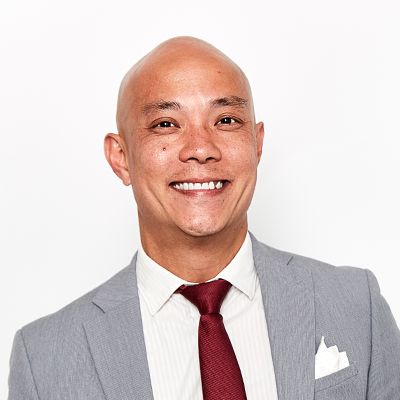
Nick Chong
Managing Director, M.AppFin, Dip. Mortgage Mgmt
Nick holds a Bachelor of Agricultural Economics, a Master of Applied Finance and an Advanced Diploma in Financial Planning. He founded Ardent Capital in 2016 after more than a decade in financial planning and mortgage broking. For the past ten years he has led a team of finance specialists, mortgage advisers, brokers and credit analysts, all working to secure optimal outcomes for clients and always acting in their best interests. The team brings both a qualitative and a quantitative approach to every deal.