

Commercial Mortgages for a Waste and Recycling Facility, Explained
Buying the depot your waste or recycling operation runs from is a significant step, and one that puts the hardstand, the power supply and the EPA-licensed set-up under your own control. At Ardent Capital Group we speak with operators about this kind of commercial property purchase, and this guide covers how a lender reads the site and what shapes the finance.
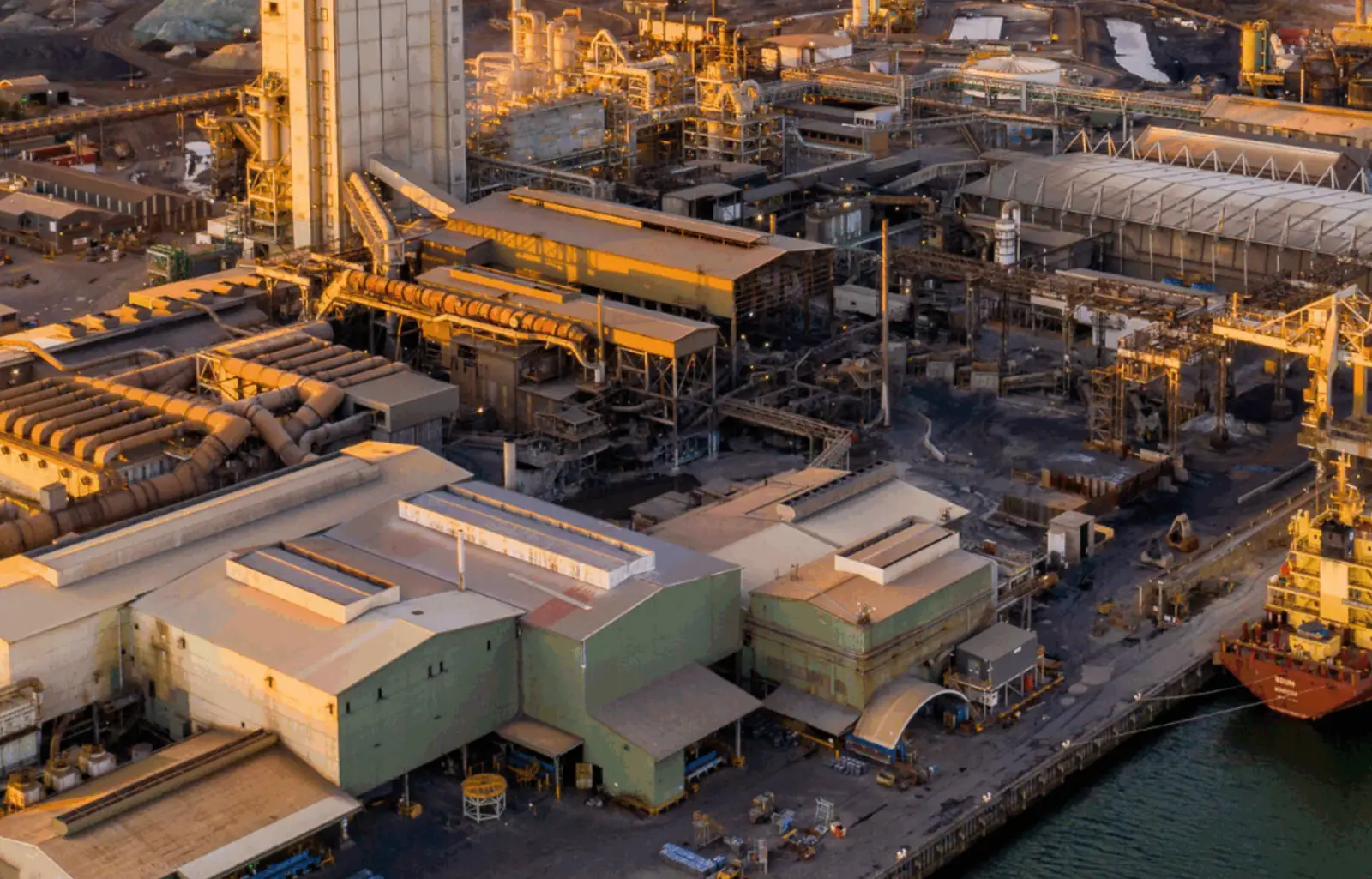
Ardent Capital Group is a specialist in commercial mortgages for waste management and recycling operators across Australia. Our team can help you move from tenant to owner, and give you clear lending advice on structure and strategy.
- Funding capacity: Ardent can help you access finance of $100K to $10M+, aligned to business scale and objectives.
- Track record: Over $500M in funding arranged across the last decade for 1,000+ borrowers in industrial and specialised property.
- Coverage: We service Sydney, Melbourne, Brisbane, Perth, Adelaide, Canberra, Hobart and surrounding regional towns.
- Sector fluency: Experience across C&D, C&I and MSW facilities, MRFs, scrap yards, transfer stations and organics sites.
Owning vs Leasing Your Waste and Recycling Facility
Owning the depot or plant locks in control of the big variables. Your operation is location-sensitive, with access to arterials, buffer distances and zoning that suit heavy vehicle movements. The fit-out is capital intensive, from concrete hardstand and bunding to power upgrades, weighbridges, firewater containment, dust suppression and odour control. Ownership stabilises tenure for your DA and EPA licence, and repayments build an asset instead of compounding landlord returns.
Main drivers:
- Fit-out protection: Hardstands, pits, drains, fire systems, weighbridges and services are difficult to move, so ownership protects sunk capital.
- Licence continuity: Secure tenure helps with planning consents and EPA licensing, including operating hours and throughput limits.
- Throughput economics: Site design and traffic flow improvements stay with you, lifting productivity and safety over the long term.
- Cost control: Mortgage repayments can replace rising industrial rents, with interest and principal building equity in the balance sheet.
- Customer stickiness: Council and corporate contracts are often tied to a depot location and access, which strengthens the address.
When buying may not suit: a short contract horizon that could shift the required depot location, a planned relocation for growth or compliance, uncertainty around zoning or DA outcomes, contamination risk that is not yet defined, or capital that is better deployed to a new MRF line, fleet expansion or commodity working capital. The decision is yours. This is where a specialist broker earns their keep, and our recycling depot property loan desk works across exactly these sites.
What a Waste and Recycling Facility Commercial Mortgage Looks Like
Deposit and LVR. The mix of shed and yard shapes the number. A site that is mostly shed, offices and covered processing gears toward the standard commercial ceiling of 80 per cent, so around a 20 per cent deposit, while a yard-heavy site with large hardstand sits closer to 65 per cent, because vacant industrial land carries a lower LVR. Full funding of a purchase is possible in some cases where additional security, such as equity in another property, supports the position, and our broker team can explain how.
Loan term and structure. Terms run around 10 to 15 years with the banks and out to 25 or 30 years with non-bank lenders. Principal and interest is common for asset build, while interest only can suit a plant upgrade phase or a contracting cycle. We match repayment profiles to seasonality and contract timing.
Security and serviceability. The property is primary security. Lenders assess the trading business for serviceability using historical financials, gate fee revenue, commodity resale margins, equipment finance commitments, and energy costs. Mobile plant such as balers, shredders and loaders is funded on its own recycling equipment finance rather than through the mortgage. For sites with an operating history, the valuer's contamination questionnaire can trigger a preliminary site investigation, and a detailed site investigation where risk is flagged, alongside checks on firewater containment, stormwater treatment and hazardous storage compliance.
Owner-occupier treatment. Banks often view owner-occupied industrial property more favourably than investment stock. Control of operations, lower vacancy risk and clearer alignment of rent and earnings support the credit case.
Common Ways to Hold the Property
Many waste and recycling operators hold the depot in a separate entity, such as a company or trust, which leases the premises to the trading business at a commercial rent. A lender then reads that inter-entity rent as the serviceability line, and the arrangement keeps operating risk and property ownership in separate hands. The lease sits at market rate, with a term and options that align to the mortgage.
Some operators hold commercial premises through an SMSF. Business real property can generally be owned by a fund and leased to the trading company at market rent, with any borrowing arranged through a limited recourse arrangement and a bare trust holding legal title. Ardent arranges and structures the finance to fit the ownership you use, while your accountant, and a licensed SMSF adviser for any fund purchase, confirms the tax and compliance detail before you commit.
How Your Application Is Assessed
- Business financials and continuity: Profitability, cash flow, add-backs, fleet and equipment commitments, the stability of council and corporate contracts, and management depth.
- Serviceability: Interest cover and debt service cover using realistic rent or owner-occupier assumptions, seasonality, and commodity price sensitivity.
- Property and valuation: Zoning that permits your use, site layout, heavy vehicle access and turning circles, shed spec, three-phase or high-voltage power, water and trade waste, and the valuation approach to improvements like hardstand and weighbridges.
- Environmental and compliance: DA conditions, EPA licence, a preliminary site investigation and, where indicated, a detailed site investigation, fire systems, stormwater controls and bunding.
- Deposit and equity position: Cash, retained earnings, or equity in other property that can support the LVR.
- Lease and occupancy: If held in a separate property entity, market rent, term, options and repair obligations between entities, aligned to the loan term.
A specialist broker who understands waste and recycling can present the credit story in sector terms lenders respond to.
How This Might Look in Practice
This is an illustrative scenario that shows the kind of situation we can assist with, and how the thinking might run.
- Situation: A C&D recycler in Western Sydney pays $55,000 per month in rent across an 8,000 sqm site with a 1,500 sqm shed, 2 ha hardstand, a 60-tonne weighbridge and 800 kVA power. Three council contracts run for five years with option terms. The operator wants to buy a nearby site for $8,500,000 to consolidate capacity.
- Assessment focus: Confirm zoning and DA history and the EPA licence transfer process, commission a preliminary site investigation, map the power upgrade path to 1 MVA, and quantify fit-out value in the valuation.
- Structures considered: Holding the freehold in a unit trust with a corporate trustee, and leasing to the operating company on a 10 plus 5 year term at market rent. SMSF ownership was noted and set aside given the scale and liquidity needs.
- Funding paths mapped:
- 65 to 75 per cent LVR against the property as a standalone asset, with the deposit funded by retained earnings and the sale of surplus plant.
- 80 per cent LVR supported by equity in the director's residential investment property, documented under a second mortgage.
- A plant and equipment facility run alongside the property debt to fund the sorter line, sized on serviceability.
- Working capital on settlement: A $1,000,000 limit sized to cover a new sorter install and commodity price swings, available upon settlement.
- How we would approach it: We would map the ranges, structures and repayments, then the operator weighs control, repayments and future upgrades before choosing a path. The figures above are illustrative, not confirmed outcomes.
Finance Types for Waste and Recycling Facility Owners
- Asset finance for plant and vehicles: Fund balers, shredders, trommels, eddy current separators, optical sorters, loaders, hook-lift trucks, skip trucks and weighbridges on terms aligned to useful life.
- Fit-out and refurbishment finance: Concrete hardstands, drainage and pits, firewater tanks, dust and odour control, power upgrades and shed modifications sized to throughput plans.
- Working capital loans: Support gate fee timing and scrap commodity swings, smoothing cash flow across installation or contract ramp-up with cashflow finance for a recycling operator.
- Business overdraft: Cover receivables from councils and corporates, with limits set against invoicing cycles and debtor quality.
- Refinancing and debt consolidation: Roll multiple chattel mortgages and short-term facilities into a clearer structure with consistent covenants.
- Construction and renovation: Extend sheds, thicken tip floors, add traffic lanes and install new MRF lines with staged progress draws.
- Business or premises acquisition finance: Buy a competitor's run, acquire transfer station assets or purchase the freehold that anchors your contracts.
Owning the premises can stabilise rent and release equity capacity, and a refinance can consolidate scattered facilities into a bankable structure.
A Broker Who Knows Waste and Recycling Facility Property
Ardent Capital Group specialises in commercial mortgages for waste management and recycling facilities. We arrange and structure finance around how you intend to hold and occupy the property, with clear attention to zoning, licensing and fit-out.
We service Sydney, Melbourne, Brisbane, Gold Coast, Perth, Adelaide, Canberra and surrounding metro and regional areas.
We have helped facilitate over $500M in funding over a decade for over 1,000 borrowers. If you want a direct conversation about options and optimal financial outcomes, talk to our team today.
Your Questions Answered
What deposit do I need to buy a waste or recycling facility? A shed-heavy site can gear to around 80 per cent, so plan for roughly a 20 per cent deposit, while a yard-heavy site with large hardstand sits closer to 65 per cent, with higher gearing possible where additional security supports the case.
Will lenders accept my EPA-licensed use and the site's environmental history? Yes, with conditions. The valuation carries a site contamination questionnaire, and a site with an operating history can prompt a preliminary site investigation, with a detailed site investigation and specific mitigations noted in the valuation and loan terms where risk is flagged.
Can my SMSF buy the depot and lease it back to my business? Commercial premises generally qualify as business real property, so a fund can own the site and lease it to your trading company at market rent, with borrowing via a limited recourse arrangement and clear liquidity planning. Your accountant confirms the detail before anything is locked in.
Does specialised fit-out count in the valuation? Improvements built into the site, such as sheds, hardstands, drainage, power upgrades and weighbridges, are typically captured, while mobile plant and some bolt-on processing equipment sit with asset finance rather than the property valuation.
How do banks view revenue tied to council contracts? They assess contract length, option terms, counterparty strength and concentration, then align loan structure to contract horizons with serviceability tested on realistic assumptions.
Can I structure repayments to match a plant upgrade or new line install? Yes. Interest only periods and staged drawdown can align to installation timelines, with principal and interest commencing once throughput stabilises.
Can I buy with little cash if I have equity elsewhere? In some profiles, lenders accept additional property security to support higher LVRs, allowing you to leverage your equity while preserving cash for operations and upgrades.

Written by
Nick Chong
Managing Director, M.AppFin, Dip. Mortgage Mgmt
Nick holds a Bachelor of Agricultural Economics, a Master of Applied Finance and an Advanced Diploma in Financial Planning. He founded Ardent Capital in 2016 after more than a decade in financial planning and mortgage broking. For the past ten years he has led a team of finance specialists, mortgage advisers, brokers and credit analysts, all working to secure optimal outcomes for clients and always acting in their best interests. The team brings both a qualitative and a quantitative approach to every deal.