

What owning your clinic actually does for your practice's long-term value
Most healthcare business owners think about property ownership primarily as a finance decision. The deposit, the loan repayments, the LVR. Those are real considerations, but they describe the entry point, not the full picture. What property ownership does to the long-term value of a medical or dental practice is a separate and often more compelling question.
According to M3 Property, the Australian healthcare and life sciences property sector has expanded by 43 percent since 2019 and is projected to grow from $5.2 billion to $12.1 billion by 2028. That growth reflects structural demand driven by an ageing population, increasing private health insurance uptake, and a sustained shortage of quality medical facilities in key suburban corridors. For a practice owner in a well-located position, those dynamics are directly relevant to the asset you'd be holding.
Each week we speak with practice owners who are thinking about the next 10 to 15 years, not just the next lease term. This article covers what property ownership changes about the financial and strategic position of a healthcare business, and how the exit equation looks different when you own the premises you operate from.
How property ownership changes the practice exit equation
When a healthcare practice owner sells without owning the premises, the sale is essentially the business goodwill, patient list, equipment, and staff arrangements. The incoming buyer takes on the lease at whatever terms exist or negotiates new ones. The outgoing owner receives a lump sum and exits.
When a practice owner sells and owns the premises, the options multiply.
You can sell the business and the property together. For an incoming buyer, an integrated purchase of business and freehold removes lease uncertainty entirely and typically commands a premium relative to a leasehold-only sale. The asset is more attractive, and the buyer's lender has a cleaner security position.
You can sell the business and retain the property, leasing it back to the incoming operator. This converts your largest operating expense into a recurring income stream. The lease terms are set on your terms, the tenant has a strong incentive to maintain the relationship, and you retain a commercial asset that continues to appreciate independently of the business you've sold.
For many healthcare business owners, the retained property scenario represents the most significant financial outcome of their years in practice. The business generated the income. The property converts that income into a long-term asset.
What medical properties look like to lenders and valuers
Medical and dental practice premises have specific characteristics that affect how lenders and valuers assess them. Understanding this is relevant before purchase, not after.
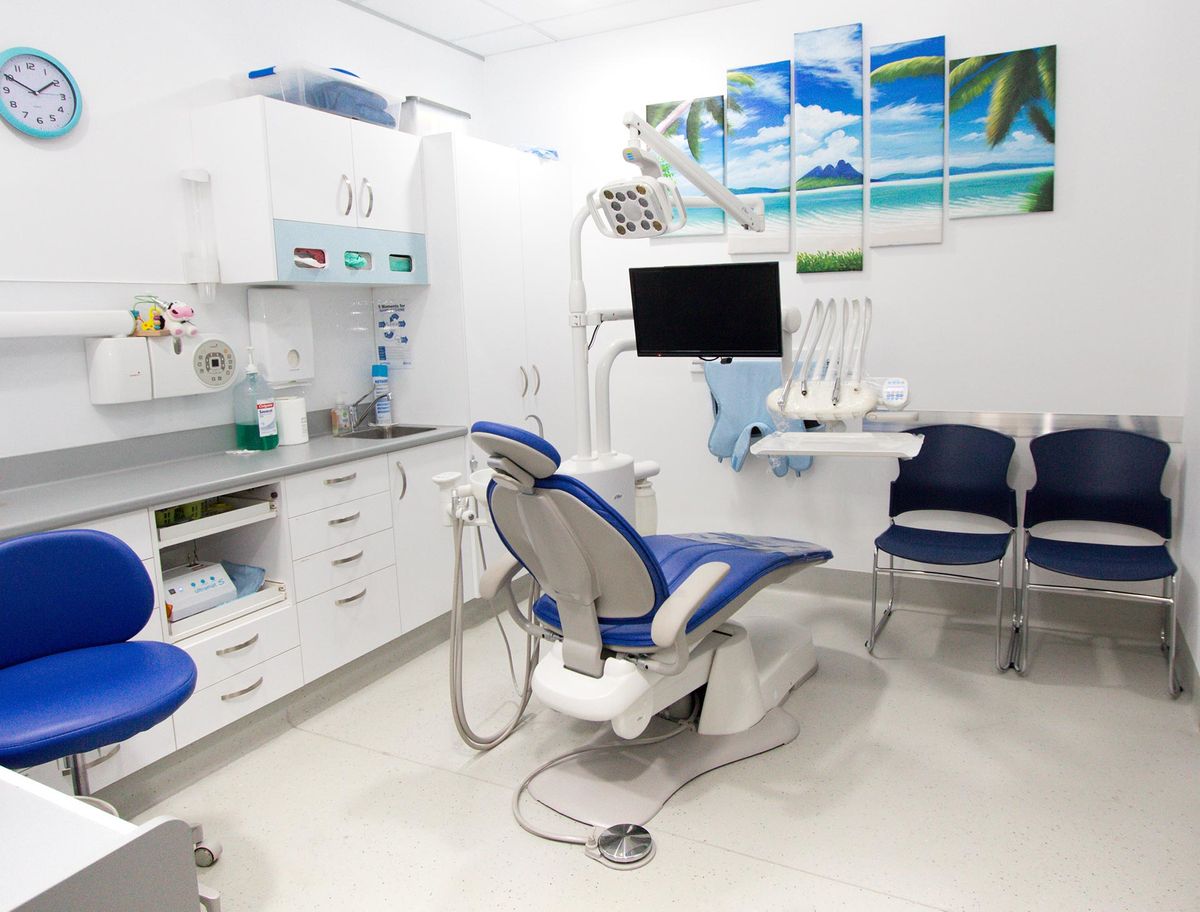
Purpose-built medical fitouts, including treatment rooms, sterilisation areas, accessible amenities, and specialist plumbing or gas, are expensive to construct and not easily transferable to other uses. Lenders and valuers approach this in different ways depending on their experience with the asset class. A conservative lender using a panel valuer without direct medical property experience may discount the asset based on the fitout's non-transferable nature. A lender with active medical lending on their panel, paired with a valuer who regularly works in the space, will assess the asset differently.
This is one of the clearest areas where lender selection matters. The same property can produce materially different valuations depending on who assesses it, which affects your LVR, your deposit requirement, and your loan structure. A specialist broker identifies the right lender from the outset rather than discovering the valuation gap at the wrong point in the process.
Conversation from the Desk
A dental practice owner in Queensland had been operating from the same premises for nine years and was approaching the end of his current lease. His accountant had flagged that purchasing the premises, if the owner was willing to sell, could change his exit strategy meaningfully. He came to us to understand what the finance would look like and whether the asset would support a clean LVR given the specialist fitout. We walked through the valuation question in detail. The fitout included full plumbing, two surgeries, a sterilisation room, and a waiting area that had been purpose-built. We identified two lenders whose panel valuers had direct dental property experience and outlined how the application would be structured around the rent displacement saving and the practice's nine-year operating history. The LVR position was stronger than he had expected going into the conversation, and the exit strategy his accountant had outlined was financially viable.
The leaseback structure: how it works in practice
A leaseback arrangement, where you sell the business and lease the property back to the incoming operator, requires the commercial terms to be thought through before the business sale process begins.
The lease rate you set as the new landlord needs to reflect the market, or the incoming buyer's lender may push back on the serviceability of the combined business and lease commitment. Lease term and renewal options affect the attractiveness of the property as a standalone asset if you later choose to sell it separately. The structure needs to be coordinated between your broker, accountant, and solicitor well before any sales process commences.
A specialist commercial broker who works with healthcare operators understands how these structures interact and can flag the finance implications before commitments are made.
Commercial mortgage and finance for healthcare practice owners
Ardent Capital Group works with medical, dental, and allied health practice owners across Australia on the full range of commercial property finance, from owner-occupier purchases and SMSF structures through to leaseback arrangements and refinancing. We understand how healthcare assets are assessed, which lenders are best suited to the asset class, and how to structure finance that supports the long-term strategy behind the purchase. If you're thinking about what property ownership could mean for the value of your practice, start with a conversation.
Written by
Nick Chong
Director & Founder, Ardent Capital Group
Nick Chong founded Ardent Capital Group to give business owners and investors direct access to commercial finance done properly. He works across purchase, refinance and equity release, structuring deals with the right lender for the situation rather than the first one to say yes. If you want a clear read on your borrowing position, that conversation starts with a call.