
Chiropractic practice property loans
Finance to own your chiropractic practice
Looking to buy a chiropractic practice?
Buying the practice you adjust from is a major step for a chiropractor, and a rewarding one. We are commercial mortgage brokers who specialise in allied health property, and we know which lenders extend a medical package to chiropractors and which assess the purchase as standard commercial, before we approach them.
We can help you:
- Buy the practice premises you adjust from
- Some lenders recognise chiropractors and will fund up to 100% of the purchase price. Others assess the practice as standard commercial and cap near 70%. Knowing which is which is the whole job
- Fund an on-site X-ray or imaging room as part of the fit-out
- Purchase a multi-practitioner or multi-disciplinary suite
- Improve the rate or conditions on your existing finance
- Release equity for a second location or expansion
- Arrange finance for an SMSF purchase of your premises
- Free up your working capital
- Arrange finance through a trust or company
Who we help:
- Established business owners who require finance between $50K to $30M
- First-time borrowers who need a beginner-friendly strategy
- Sophisticated borrowers and investors who need a unique strategy and deal structure
- Urgent, time-sensitive deals that need to move quickly
- Self-employed and trust-structured borrowers who need their income presented properly
- Commercial property owners with multi-tenancy plans

Speak to a specialist today
1,000+
loans settled
$2B+
funded
Chiropractic finance
Backing chiropractors to own their practice premises
We help chiropractors buy the practice premises they adjust from, including clinics with an on-site X-ray or imaging room. We handle the lender research, structuring and application from start to finish, including the case for treating you as a recognised medical borrower rather than a standard commercial one. Whether you are buying a solo practice, a multi-practitioner suite, or purchasing through a trust or SMSF, we find the right lender for your situation and get it done.
Funding from $50K to $30M
from over 60 bank & non-bank lenders












- ANZ
- Bankwest
- Bluestone
- Bank of Queensland
- Commonwealth Bank
- Firstmac
- ING
- Macquarie
- NAB
- Pepper Money
- Suncorp Bank
- Thinktank
Chiropractic practice finance specialists
Chiropractic practice finance is a specialist area we can assist with, for chiropractors buying the premises they adjust from. The properties we can finance include:
- Chiropractic clinics with adjustment and drop tables
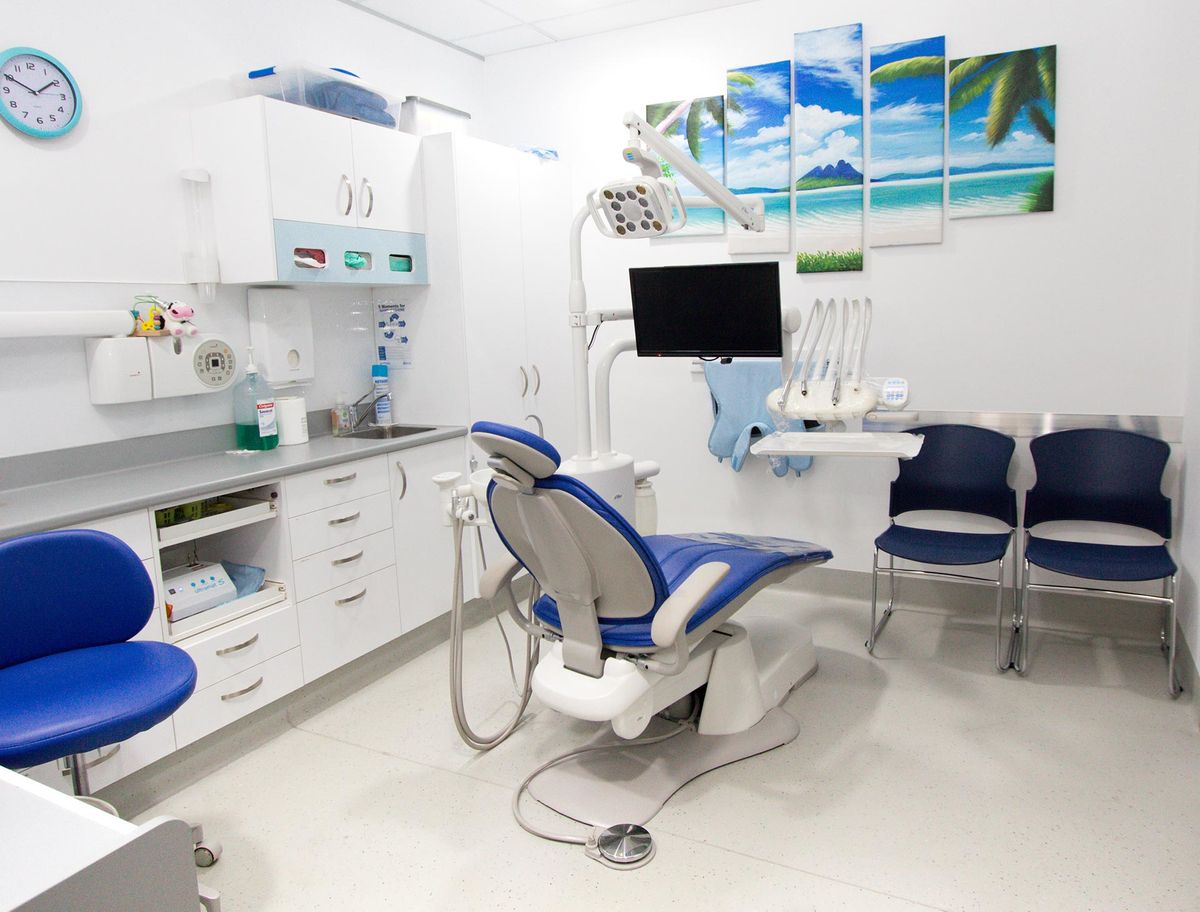
- Practices with an on-site lead-lined X-ray or imaging room
- Multi-practitioner chiropractic suites
- Multi-disciplinary allied health buildings with co-located practitioners
- Rehabilitation and exercise rooms attached to the clinic
- Consulting rooms part-occupied and part-leased to other practitioners
A chiropractic practice often has an on-site X-ray room, which is a real fit-out cost and a real valuation question. We know which lenders recognise it and which simply discount it, and we put the file where it lands best.
Why businesses choose Ardent Capital Group as their broker
Execution and strategy
Strategy first, then execution. We structure your deal properly and take it to the right lenders for your situation, so you are not enquiring lender by lender.
Clear advice for smart lending
Straight answers on LVR, structure and timing, including when a deal does not stack up.
A long-term partner
We stay with you well beyond settlement, with lasting relationships and ongoing support from the team.
Finance types
Chiropractic practice scenarios we can help finance
Chiropractic income is largely private-pay and membership-plan based, so lenders read your billings rather than Medicare receipts. Whether a lender extends its medical package or treats the purchase as standard commercial changes what you can borrow.
From leasing rooms to owning them
Owning the rooms you adjust from fixes your occupancy and turns rent into equity. Chiropractic income does not arrive through Medicare, so lenders read practice cash flow and AHPRA registration, and the higher gearing follows a lender extending its medical package. We can help you:
- Borrow up to 80% as an owner-occupier, and up to 100% where residential or other property is added as security
- Count the rent you stop paying toward the repayment
- Present your AHPRA registration and current practising certificate in place of a long trading history
- Fund a deposit from 20% from cash, retained earnings or equity in your home
- Evidence membership and care-plan revenue through twelve months of practice management reports
- Use alt-doc through BAS and an accountant's declaration where the accounts are thin
Funding an on-site X-ray room
A lead-lined imaging room is a specialised improvement, and a valuer prices it below what it cost to build. The building is funded on the property loan, and the shielded room and the radiography unit are handled separately. We can help you:
- Expect the lead-lined room to value below cost, since shielding is single-use and does not transfer
- Finance the radiography unit on a chattel mortgage, keeping depreciating equipment off the property security
- Confirm the structural allowance for room shielding and floor loading before the valuation
- Build part of the fit-out into the property loan, spreading the cost over the full term at property rates
- Draw against builder invoices through the shielded-room build with a progress-draw facility
- Complete radiation licensing and compliance sign-off as part of the approval
Leasing rooms to allied health tenants
Where you occupy part of the building and lease the rest to massage therapists, physiotherapists or podiatrists, the loan sits between owner-occupier and investment. Lenders price the occupied portion on your billings and the leased suites on their own rent. We can help you:
- Assess the portion you occupy at 65% to 75%, with leased suites at an investment LVR typically 5% to 10% lower
- Present the lease covenants of allied health tenants such as physiotherapy and podiatry
- Weigh weighted average lease expiry and tenant quality, which set the valuation of the leased portion
- Price any lease back to your own practice at arm's-length market rent
- Account for net against gross leases, which change assessed income once outgoings recovery is counted
- Treat shared reception, rehabilitation space and imaging as common areas across the suite
Guarantors, trustees and the ownership deed
A discretionary trust or a company spreads ownership and holds the premises apart from personal assets. The lender underwrites the entity, the guarantors and the deed together, and tests whether the loan still services if a co-owner steps back. We can help you:
- Map how billings move through a shared service company to each practitioner
- Plan for all-in guarantees from directors and trustees, with each guarantor tested for standalone servicing
- Split ownership by fixed unit holding, or use a discretionary trust with a corporate trustee
- Take a defined percentage of title as tenants in common
- Evidence a guarantor's income from the trust's distribution history
- Present the ownership agreement, which a lender reads for its buy-sell and exit terms
Using an SMSF to buy your chiropractic rooms
Yes, this can be done, and we arrange it. A self-managed super fund buys the practice under a limited recourse borrowing arrangement, the property sits in a separate holding trust, and your practice leases it back at market rent. It is a solid, compliant structure. It is also unforgiving of detail, and the detail below is where these purchases are won or lost.
We know this sounds complicated, and we can assist to make things clearer. Reach out and we will guide you through the entire process. We structure the finance and tell you which lenders will take a chiropractic practice as SMSF security and on what terms, and we bring in the SMSF specialists and licensed advisers who set the fund side up, so the structure holds together from the first conversation rather than being unpicked at settlement.
- From 10 August 2026 a new arrangement can only be used for business real property: a property trading wholly as a business generally qualifies, a property with a residence attached generally does not
- The property sits in a separate holding trust, and the lender's recourse is limited to that one asset
- Your practice leases it back in writing, at market rent supported by an independent appraisal, and the rent has to actually be paid, or it can be taxed as non-arm's length income
- The arrangement funds a single asset, so the business, its goodwill and its fit-out are financed separately, outside the fund
- SMSF lending caps well below a standard purchase, so the fund provides its own deposit. The full-price funding available outside super does not apply, and cross-collateralisation is not available inside it
- Commercial SMSF lending reaches 80% on loans from $100,000 to $10 million, with no liquidity or net asset requirement on the fund, and terms of 15 to 30 years with up to five years interest only. Most lenders will still want cash left in the fund after settlement
Funding a second site from a revaluation
A revaluation after a fit-out or growth in the patient base can release equity, and a rate review can free up cash. We benchmark your current facility, model the release against a fresh valuation and net off break costs. We can help you:
- Release cash-out equity for a second clinic, an equipment upgrade or a partner buy-in
- Model fixed-rate break costs and discharge fees against the projected saving
- Consolidate equipment and fit-out finance into the property loan
- Present your membership history when refinancing a chiropractic practice, so the book reads as recurring revenue
- Order a valuation of the completed rehabilitation or imaging fit-out, where non-transferable work is discounted
- Compare switching incentives, including a lender-funded valuation and legal costs
One document instead of full financials
Membership and care-plan billings can run well ahead of your last lodged return, and where the clinic bills through a service entity the earnings sit in another set of accounts. Mid doc income is self-certified and supported by a single document. We can help you:
- Support the self-certified figure with membership and care-plan billings drawn from twelve months of practice management reports
- Supply an accountant's letter, two BAS statements, six months of trading bank statements, one year's tax return and notice of assessment, or one year's financial statement
- Show income arriving through private-pay consultations and membership plans rather than Medicare receipts
- Borrow from $100,000 to $4 million at the same 80% LVR ceiling as full doc
- Reach 65% on quick doc, which is self-certified with no supporting document
- Meet interest cover of 1.75 to 1 on mid doc, and 2.00 to 1 on quick doc
Term length, interest only and fees
Commercial terms of 30 years are available on clinic premises, longer than most banks offer on a clinic purchase. Some facilities carry no annual review at all, so once the loan settles it runs on its terms. We can help you:
- Take a commercial term to 30 years principal and interest
- Draw interest only to five years, extendable by a further year on application
- Reach interest only to eight years at 80% LVR from a separate lender, with a rate loading
- Hold a facility with no annual reviews, no unused facility fees and no ongoing monthly fees
- Fund the shielded imaging-room build on progress draws while the interest only period runs
- Compare running the radiography unit on its own equipment facility against consolidating that finance into the property loan
Our complete list of services
- Buy the practice premises you adjust from
- Some lenders recognise chiropractors and will fund up to 100% of the purchase price. Others assess the practice as standard commercial and cap near 70%. Knowing which is which is the whole job
- Fund an on-site X-ray or imaging room
- Purchase a multi-practitioner or multi-disciplinary suite
- Improve the rate or conditions on your existing finance
- Release equity for a second location or expansion
- Finance adjustment tables, traction and rehabilitation equipment
- Arrange finance for an SMSF purchase of your premises
- Arrange finance through a trust or company
- Refinance and consolidate existing practice debt
- Free up your working capital
- Bridge a settlement timing gap
- Fund a practice acquisition or partner buy-in
- Finance a co-located allied health suite
- Provide personal and home finance for practitioners
- Support new chiropractors entering practice ownership
- Fund the business behind the property with allied health business loans
Our process
How it works
✓We understand your scenario
We talk through the property, your business and timeline, and any complexity in your structure.
✓We find the right lender
We match your deal to the lender on our panel best suited to it.
✓You receive clear terms and guidance
We present indicative terms and explain what we recommend, and why.
✓We stay with you beyond settlement
We manage everything through to settlement, then stay in your corner well beyond it, with ongoing support from the team.
Lender features compared
How chiropractic practice loans compare across lenders
| Chiropractic loan feature | Major banks | Non-bank lenders | Availability |
|---|---|---|---|
| Maximum LVR (medical package) | Up to 75% | Up to 75% | Varies |
| Maximum LVR (standard commercial) | Up to 70% | Up to 80% | Common |
| Recognition as a medical or professional borrower | Some extend the medical package | Case-by-case | Varies |
| Owner-occupier finance | Preferred rates | Available | Common |
| SMSF purchase | Up to 70% | Up to 75% | Popular |
| Interest-only periods | Up to 5 years | Up to 5 years | Common |
| Loan term | Up to 25 years | Up to 25 years | Flexible |
| Approval timeframe* | 3 to 6 weeks | 2 to 4 weeks | Varies |
| Best suited for | Chiropractors recognised under a medical package | Newer practices assessed as standard commercial | — |
*IMPORTANT: These are indicative figures only. Terms, LVRs and approval timeframes vary with borrower capacity, security type and individual lender criteria, and are subject to change. Figures are a general guide, not a quote or an offer of finance, and not a representation that finance is available on these terms.
Frequently asked questions
What makes Ardent Capital Group the right broker for you?
Ardent Capital Group brings the same method to every client: execution and strategy, clear advice for smart lending, and long-term growth. That means the right lender, structure and timing, straight advice so you borrow with confidence, and today's deal built toward where you want to be tomorrow. We are specialists in helping business owners secure finance to purchase their own property, and we understand the complex structures that often sit around it, including multiple trusts, holding companies and self-managed super funds. Owner-occupied consulting suites call for lenders who fund allied health premises and give proper weight to a practitioner's income against the cost of the rooms. As the practice grows or you add a second location, the team stays alongside you well after settlement. Where the property is in Sydney, our Sydney commercial property finance page covers that market on its own. Every figure is subject to serviceability, lender appetite and approval.
Why use a broker rather than going direct to my bank?
Going direct to your bank means one set of lending criteria and one answer. A chiropractic practice is an allied health asset, and lenders differ sharply on whether they extend a medical package to chiropractors or assess the purchase as standard commercial. That single decision can move your maximum LVR by around ten percentage points. A specialist broker knows which lenders recognise chiropractors as medical borrowers right now and how to present your billings so the assessment goes your way, rather than working through a list and collecting unnecessary declines.
How much finance can you help me access?
Chiropractic premises funding runs from $50K up to $30M, which suits a single treatment room fit-out through to a larger clinic bought as a going concern. Practice income and the property both feed into what a lender will support.
What LVR can I get for a chiropractic practice purchase?
Owner-occupier chiropractic purchases typically gear to 65% to 75%, with the top of that range where a lender extends its medical package rather than assessing standard commercial. Investment premises sit around 5% to 10% lower, and adding other property as security can reach 100%. Talk to us for your exact number.
Does an on-site X-ray room affect how my practice is valued and financed?
Yes, in two ways. An on-site lead-lined X-ray or imaging room is a real fit-out cost, often tens of thousands of dollars once shielding, structural allowance and the radiography unit are included. A valuer will also treat the shielded room as a specialised, non-transferable improvement and usually value it below what it cost to build. We structure the finance so the building sits on the property loan and the imaging equipment is funded separately on a chattel mortgage, which keeps depreciating equipment off the property security and often costs less over the term.
How is a chiropractor's largely private-pay and membership income assessed by lenders?
Chiropractic income is largely private-pay and membership or care-plan based, with some health-fund rebates, rather than Medicare receipts. Lenders assess it on your practice management reports and business financials, usually looking for twelve months or more of consistent billings. Recurring membership and care-plan revenue is viewed favourably because it is predictable. Where your accounts understate current income, for example after a recent fit-out or relocation, non-bank alt-doc options let you evidence income through BAS statements and an accountant's declaration.
How long does the finance take from application to settlement?
For a straightforward owner-occupier purchase, most clients receive indicative credit terms within 48 hours of our first conversation. Formal approval typically follows within two to four weeks with a non-bank lender, and three to six weeks with a major bank. Trust structures, SMSF lending and a practice with a specialised imaging room take longer because there are more moving parts to assess. We give you a realistic timeline upfront so your purchase schedule stays intact.
What documents do I need to apply?
For a full-doc application, most lenders require two to three years of practice financial statements and tax returns, personal tax returns for all guarantors, and a copy of the contract of sale. If you buy through a trust or company, the relevant deed or constitution and its financials are also needed. Many chiropractors, particularly those who are self-employed or bill through a service entity, do not fit a standard full-doc assessment. Non-bank lenders offer alt-doc and low-doc options where income is evidenced through an accountant's declaration, BAS statements or bank statements. These come with slightly higher rates but open the door for borrowers whose paperwork understates income. We work through your income situation upfront and identify the best approach.
What is the difference between owner-occupier and investment finance?
Owner-occupier finance is used when your practice occupies the premises. Lenders assess your practice billings and trading history alongside the property, and offer LVRs of up to 65% to 75% depending on whether a medical package applies. Investment finance is used when you buy a practice building to lease to other practitioners. Lenders focus on the rental income, lease terms and tenant quality, and investment LVRs typically sit around 5% to 10% lower. Vacancy or short-lease situations can be harder to finance.
Can I buy my chiropractic practice premises through my SMSF?
Yes, it is possible, and we arrange these. It is also one of the more intricate purchases in commercial finance, and the detail is what decides whether it works. The fund borrows under a limited recourse borrowing arrangement, so the practice sits in a separate holding trust and the lender can only come after that one property. From 10 August 2026 a new arrangement can only be used for business real property: a property trading wholly as a business generally qualifies, a property with a residence attached generally does not. Your practice leases the practice back from the fund, in writing, at market rent supported by an independent appraisal, and the rent has to actually be paid. SMSF lending caps well below a standard purchase, so the fund provides its own deposit and the full-price funding available outside super does not apply here. Cross-collateralisation is not available inside super either. Commercial SMSF lending reaches 80% on loans from $100,000 to $10 million, with no liquidity or net asset requirement on the fund, and terms of 15 to 30 years with up to five years interest only. Most lenders will still want cash left in the fund after settlement. We know this sounds complicated, and we can assist to make things clearer. Reach out to our team and we will guide you through the entire process. We structure the finance, tell you which lenders will take a chiropractic practice as SMSF security and on what terms, and bring in the SMSF specialists and licensed advisers who set the fund side up. You will not be working it out on your own. Get that right and it is a solid, compliant structure. Our SMSF medical and health premises page covers how a fund buys practice premises and what changes from one practice type to the next.
Can I finance the fit-out, adjustment tables and imaging equipment as well as the property?
In many cases, yes. Some lenders capitalise the fit-out into the commercial property loan, spread over the term at property rates. Others prefer the fit-out and equipment funded separately through a chattel mortgage or equipment finance, which keeps depreciating assets off the property security. Adjustment and drop tables, traction units, an X-ray unit and rehabilitation equipment are usually financed this way. A clinical fit-out with a shielded imaging room can run to several hundred thousand dollars, so planning the funding from the start avoids problems later.
Can you help if my bank has declined my chiropractic practice loan?
Often, yes. A decline from your bank does not mean the purchase is not fundable. Banks have rigid credit policies, and a chiropractic practice with a specialised imaging room or a service-trust structure does not always fit neatly within them. Non-bank lenders and specialist allied health financiers assess these purchases differently, and sometimes a structuring or presentation issue is all that stood between you and an approval. We will give you an honest assessment of what is possible before proceeding.
My tax returns understate what the clinic earns. Can I still borrow?
Yes, it is possible, subject to serviceability, lender appetite and approval from our lender panel. Commercial lenders on our panel run mid doc programs where income is self-certified and supported by just one of the following: an accountant's letter, your last two BAS statements, six months of trading bank statements, one year's tax return and notice of assessment, or one year's financial statement. Mid doc reaches the same 80% LVR ceiling as a full doc application on loans to $4 million. A quick doc option, self-certified with no supporting document, sits at 65%. This is the usual route where a recent fit-out, a relocation or a service entity structure makes your last set of accounts a poor guide to what the clinic earns now.
Can a non-bank lender go higher than the medical package LVR?
Sometimes, and it is a separate question from whether a lender extends its medical package to chiropractors. Non-bank commercial lenders assess the clinic as commercial property rather than as an allied health package, and publish up to 80% on full doc and mid doc for loans from $100,000 to $4 million, 70% between $4 million and $10 million, and 65% on quick doc. For a standard consulting suite in a populated area that can sit above what a bank offers on a medical package assessment. We look at both routes rather than assuming the package is the better one. Every figure is subject to serviceability, lender appetite and approval.
What loan term and interest only period can I get on clinic premises?
Up to 30 years principal and interest, with interest only for up to five years, and an application can be made to extend the interest only period by a further year. A separate lender on our panel publishes interest only for up to eight years at 80% LVR, which carries a rate loading. A 30 year term on commercial security is longer than most banks will offer on a clinic purchase, and it changes what the repayment looks like against your membership and care-plan billings. Every figure is subject to serviceability, lender appetite and approval.
Will my facility be reviewed every year?
Not with every lender. Some commercial facilities on our panel carry no annual reviews and no unused facility fees, so once the loan settles it runs on its terms. Bank commercial facilities are more commonly subject to an annual review, where the lender revisits your financials and can reprice or restructure the facility. If you would rather not repeat that exercise every year, raise it at the start, because it narrows which lenders suit the file.
Do you charge any fees for your service?
Most of the time, no. Where your financials are complex, your structure is unusual, or the purchase requires significant preparation before it can go to a lender, we may charge a small mandate fee depending on the complexity. We will always be upfront about this before any work begins.
What areas do you service?
Although we are based in Sydney, we service clients across all major Australian cities, including Melbourne, Perth, Brisbane, the Gold Coast, Adelaide, Canberra and Hobart, along with their surrounding regional areas. Wherever your chiropractic practice premises are located, we can arrange your finance.
What other finance can you assist with?
Although our main speciality is property loans for business owners, we also assist with equipment finance for chiropractors and cash flow for chiropractors. On asset finance, that covers adjustment and drop tables, traction units, an X-ray or imaging unit, rehabilitation equipment and full clinic fit-outs. On working capital, we arrange business overdrafts, lines of credit and cash-flow funding to cover staff wages, marketing, consumables, and the cost of opening or expanding a practice. We also arrange home loans. Chiropractors borrow to 90% with the mortgage insurance premium waived, and one major applies no minimum income: see home loans for chiropractors. Where you are fitting out rather than buying, we also arrange chiropractic clinic fitout finance.
I've been a business owner for a few years now, but this will be my first loan. Are you beginner friendly?
Yes. That is our core ethos, helping you understand the right strategy, structure and clear advice from the very first conversation. Our main borrower profiles are established chiropractors and practice owners seeking finance from $50,000 upwards for their company, so a first commercial loan is well within our wheelhouse. Smaller sole-trader and consumer-style ABN lending sits outside our field.
Can you give financial advice?
No. Arranging finance and advising on financial products are two different disciplines, and we do the first. What we bring is the credit analysis lenders require, the structuring of the facility, and the strategy for putting your application in front of lenders whose appetite matches it.
Because we act as a credit representative under an Australian Credit Licence, we do not give financial product, superannuation, taxation or legal advice, and nothing we provide should be taken as such. Where your circumstances need that input, we are happy to work with your accountant, financial adviser and solicitor to understand the full picture before anything is submitted.
The information on this page is general in nature and does not take account of your objectives, financial situation or needs.
Commercial property finance specialists
Looking to buy your business premises? Whether you're buying your first commercial property or refinancing an existing one, we can get it sorted.






Contact Us
Takes 60 secondsYour funding needs
Tell us more about your requirements
The more you can tell us, the better we can understand your unique requirements. eg. property purchase price, address, any deadlines, any existing debt etc.
Who should we contact?
Our senior team will contact you within a few business hours.
Thanks, there.
Our team has received your enquiry. We'll be in touch within a few business hours.
All details are secure, encrypted, and confidential.