

How Audiology Clinic Owners Approach a Commercial Mortgage
Owning the rooms your audiology clinic works from is a considered step for any practice owner. The acoustic build, the test booths and the dispensary that make the clinic yours can sit in a building you hold rather than a lease you keep renewing. At Ardent Capital Group we speak with audiology owners about this kind of commercial purchase regularly.
Ardent Capital Group is a specialist in commercial mortgages for audiology clinic operators across Australia. Our team can help you move from tenant to owner, with clear lending advice on structure and strategy. If you are weighing an audiology clinic property loan, that is the conversation we have with owners regularly.
- Funding range: We arrange facilities from $50,000 to $30,000,000+, matched to clinic scale and growth plans.
- Experience: Over $2B facilitated across the last decade for more than 1,000 Australian borrowers.
- Coverage: Sydney, Melbourne, Brisbane, Perth, Adelaide, Canberra, Hobart and surrounding regional centres.
- Speed and clarity: Direct lender access, clear structuring options, and a tight process from terms to settlement.
Why audiology clinic owners choose to buy
Audiology premises are highly specialised. Acoustic isolation, booth placement, wheelchair access and quiet HVAC are fundamental to accurate testing and patient comfort. A typical two to four room clinic with one to two booths often requires $200,000 to $500,000 in fit-out and equipment, including audiometers, tympanometers, REM systems, OAE devices, VNG, microsuction microscopes and purpose-built booths. Location is sticky because referrers, local GPs and ENTs, aged care facilities and the nearby over-55 population anchor the patient base to the suburb. Ownership secures that address, controls noise transfer with proper build quality, and turns repayments into equity in a scarce commercial asset.
Main drivers for audiology owners:
- Fit-out permanence: High acoustic build costs become part of your asset base rather than a make-good expense at lease end.
- Referral stability: Proximity to GPs, ENTs and retirement villages supports repeat testing, device fittings and follow-ups over many years.
- Operational control: Freedom to install additional booths, display hearing aids properly, and schedule refurbishments without landlord constraints.
- Financial outcomes: Principal and interest repayments build equity, with rental yield captured in your own entity.
Buying may not suit where the lease horizon is short with limited time to transact, where a relocation is planned to chase a stronger referral map, or where capital deployed into staffing, marketing or a second booth would drive higher returns. The decision sits with you.
How lenders approach an audiology clinic purchase
- Deposit and LVR. Standard commercial premises typically gear to around 80 per cent, so roughly a 20 per cent deposit. Some specialist healthcare lenders recognise audiologists and can fund up to 100 per cent of the purchase price on the clinic property alone, without taking your home as additional security; other lenders assess the clinic as standard commercial. Which path applies depends on the lender, and that is where a broker earns their place.
- Loan term and structure. Terms commonly run 15 to 25 years, with non-bank lenders reaching 25 to 30 years and banks often 10 to 15. Structures include principal and interest for steady equity build, or interest only for a defined period where cash flow is directed to fit-out, staff or marketing.
- Security and serviceability. The property is primary security. Lenders assess clinic financials, device sales margins, referral stability, payer mix including Hearing Services Program and NDIS, and the ability to service under sensitised rates. They consider fit-out costs and any equipment facilities alongside the property loan.
- Owner-occupier treatment. Lenders generally view an owner-occupier clinic favourably. Occupation reduces vacancy risk and aligns incentives to maintain the premises to clinical standard.
Clinical equipment such as audiometers, tympanometers and REM systems is usually funded separately through audiology equipment finance rather than the property loan, which keeps depreciating kit off the property security.
Ownership structures a lender sees
Many audiology clinic operators hold the real estate in a separate entity, such as a company or discretionary unit trust, then lease the premises to the trading clinic at a commercial rent. A lender reads that lease and the inter-entity rent as the serviceability line, while the arrangement separates trading risk from the asset. This is a common ownership pattern a lender sees, and the finance is arranged around it rather than the other way around.
SMSF in brief: commercial premises generally qualify as business real property. An SMSF can hold the building and lease it back to your clinic at market rent, subject to borrowing rules and documentation, usually through a bare trust with the fund as beneficiary. Appeal includes long-term ownership and contribution strategies, with trade-offs around lower LVR limits, liquidity and ongoing compliance. Ardent Capital Group arranges the finance around your set-up; your accountant and SMSF adviser confirm the tax, super and ownership detail before anything is locked in.
The lender's checklist
- Business financials: Profit and loss trends, EBITDA, device sales gross margin, service revenue mix and any supplier rebates.
- Serviceability: Capacity under sensitised interest rates, including add-backs, director drawings, and allowances for equipment facilities and booth finance.
- The property: Location quality near GP and ENT referrers, street exposure for retail device sales, parking, access, building condition and acoustic suitability.
- Valuation: Independent valuation of the strata or freehold, with the real estate assessed first and fixed acoustic works and installed booths considered for residual value.
- Deposit and equity: Cash on hand, acceptable gifts, or equity in other property that can support the purchase.
- Lease and occupancy: Owner-occupier intent, or if investment, strength of tenant, lease term, options, and rent at market.
A specialist broker who knows audiology business models shortens the path to bankable terms and reduces rework on serviceability detail.
One way this can play out
This is an illustrative scenario that shows the kind of situation we can assist with, and how the thinking might run.
- Profile: Two-partner clinic in Brisbane, $2,300,000 turnover, stable referral base from local GPs and one ENT, one 3 m booth and one 2 m booth, planning a third booth.
- Objective: Buy a 180 sqm strata medical suite near a GP super clinic, add a third booth, control noise and signage, and reduce exposure to make-good costs.
- Property options: Option A, medical strata at $1,850,000 with 5 car parks and shared reception. Option B, retail corner at $1,450,000 with higher street exposure but moderate tram vibration risk.
- Funding options discussed: Owner-occupier gearing around 80 per cent on Option A, a little lower on Option B given the vibration risk, with a specialist healthcare lender explored for the recognised-borrower path.
- Structures considered: Unit trust as holding entity with a commercial lease back to the trading company, or SMSF acquisition with a market-rate lease and a separate equipment facility for the third booth.
- Fit-out and equipment: Estimated $280,000 for acoustic works, additional booth, HVAC baffles and cabinetry. Covered via a blend of cash, asset finance and an interest only period on the property loan.
- Equity planning: Option to leverage your equity in the existing home to reduce the cash deposit and preserve working capital for a second location inside 24 months.
- How we would approach it: map the lender set, test LVR and structure across owner-occupier, trust and SMSF paths, and table pricing and covenants for the client to weigh. Total lend might land between $1,480,000 and $1,650,000 depending on option and gearing, with the first 12 months interest only while fit-out completes, then principal and interest. The figures above are illustrative, not confirmed outcomes.
Other lending we can help with
- Asset finance for audiology equipment: Finance for audiometers, tympanometers, REM systems, OAE devices, VNG, microsuction microscopes and clinical software with terms aligned to calibration and replacement cycles.
- Fit-out and refurbishment finance: Funding for acoustic walls, isolation mounts, double glazing, custom cabinetry and quiet HVAC that meets clinical standards.
- Working capital: Short-term cash for hearing aid inventory, moulds, consumables and marketing around GP and ENT referral networks. Where stock levels and the timing of HSP claims stretch cash flow, working capital for an audiology clinic is a better fit than drawing on the property facility.
- Business overdraft: Flexible buffer for timing between HSP claims, private payments and supplier terms.
- Refinancing and debt consolidation: Restructure multiple equipment facilities and short-term lines into a clearer, lower-cost plan alongside the property loan.
- Construction and renovation: Capital for additional booths, expansion into the neighbouring suite, or compliant accessibility upgrades.
- Business or premises acquisition finance: Funding to buy a competitor book, add a partner, or acquire the freehold you currently occupy.
Owning the premises can free equity for growth, while a refinance can consolidate facilities and simplify cash flow.
Talk to an audiology clinic finance specialist
Ardent Capital Group specialises in commercial mortgages for audiology clinics. We arrange and structure finance around how you plan to hold and occupy the property, aligning the loan with your clinical operations and cash flow.
We service Sydney, Melbourne, Brisbane, Gold Coast, Perth, Adelaide, Canberra and surrounding metro and regional areas. Our team has facilitated over $2B in funding across a decade for more than 1,000 borrowers.
If you want clear options and a direct path from terms to settlement, talk to us. Ardent Capital Group is a specialist in commercial mortgages and our team can help you today.
Questions we're often asked
How much deposit do I need to buy my audiology clinic premises? As standard commercial security the premises typically gears to around 80 per cent, so plan for roughly a 20 per cent deposit, fundable from cash or equity in other property. Some specialist healthcare lenders recognise audiologists and can reduce the deposit further.
Will lenders count Hearing Services Program and NDIS revenue in serviceability? Yes, lenders consider payer mix including HSP and NDIS, alongside private fees and device sales, with attention to stability, documentation and margins.
Can my SMSF buy the clinic building and lease it back to my business? Often yes, as commercial property can qualify as business real property, held through a bare trust with a documented market-rate lease and SMSF borrowing rules applied. Your accountant and SMSF adviser confirm the detail.
How do valuations treat sound booths and acoustic fit-out? Valuers focus on the real estate first, then consider the quality and residual value of fixed acoustic works, with portable equipment usually excluded.
Can I fund the fit-out and the property together? You can pair the mortgage with dedicated fit-out or asset finance, or use an interest only period to conserve cash while works complete.
Is owner-occupier better than investment purchase for a clinic? Owner-occupier purchases are generally viewed more favourably by lenders, can support stronger gearing and pricing, and keep rent within your group under a commercial lease.
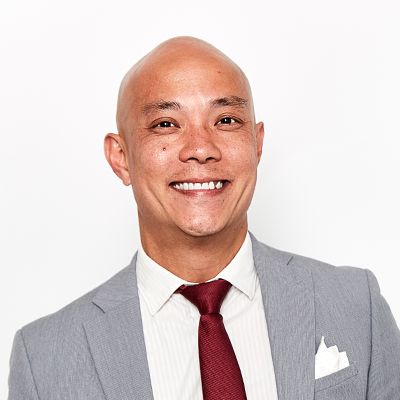
Written by
Nick Chong
Managing Director, M.AppFin, Dip. Mortgage Mgmt
Nick holds a Bachelor of Agricultural Economics, a Master of Applied Finance and an Advanced Diploma in Financial Planning. He founded Ardent Capital in 2016 after more than a decade in financial planning and mortgage broking. For the past ten years he has led a team of finance specialists, mortgage advisers, brokers and credit analysts, all working to secure optimal outcomes for clients and always acting in their best interests. The team brings both a qualitative and a quantitative approach to every deal.