
Owner occupier construction finance for commercial premises
Building the premises your business will trade from
Building premises for your own business?
Building premises you intend to occupy is a different file from a development, because there is nothing to sell at the end. The facility funds the build and then rolls into a term commercial mortgage your business services from its trading income, so what the lender is really assessing is whether the completed building works for you long term. We arrange commercial construction finance from $50K to $30M.
We can help you:
- Fund the construction of commercial premises your business will occupy
- Fund the site purchase and the construction under one facility
- Arrange facilities where you already own the site and are building on it
- Progressive drawdowns against a fixed price contract and quantity surveyor certification
- Capitalise interest through construction so the business is not servicing two premises at once
- Roll the completed facility into a term commercial mortgage on settlement of the build
- Use equity in commercial property you already own as additional security
- Fund the fitout and the works the building needs before you can trade from it
- Structure the facility around your trading income rather than around a sale
- Arrange finance from $50K to $30M nationally, from our Sydney office
Who we help:
- Established business owners who require finance between $50K to $30M
- First-time borrowers who need a beginner-friendly strategy
- Sophisticated borrowers and investors who need a unique strategy and deal structure
- Urgent, time-sensitive deals that need to move quickly
- Self-employed and trust-structured borrowers who need their income presented properly
- Commercial property owners with multi-tenancy plans



Speak to a specialist today
1,000+
loans settled
$2B+
funded
Owner occupier construction
Funding business owners building the premises they will occupy
We work with business owners across warehousing, manufacturing, health, automotive, hospitality and professional services who are building rather than buying. The construction period needs arranging carefully, but the term facility underneath it is the one to settle, because that is what your business will carry for the next decade.
Funding from $50K to $30M
from over 60 bank & non-bank lenders












- ANZ
- Bankwest
- Bluestone
- Bank of Queensland
- Commonwealth Bank
- Firstmac
- ING
- Macquarie
- NAB
- Pepper Money
- Suncorp Bank
- Thinktank
Owner occupier construction finance specialists
Commercial construction for owner occupiers is a specialist area, and one where the term facility matters more than the build facility. We can assist businesses building premises they intend to keep. The projects we can finance include:
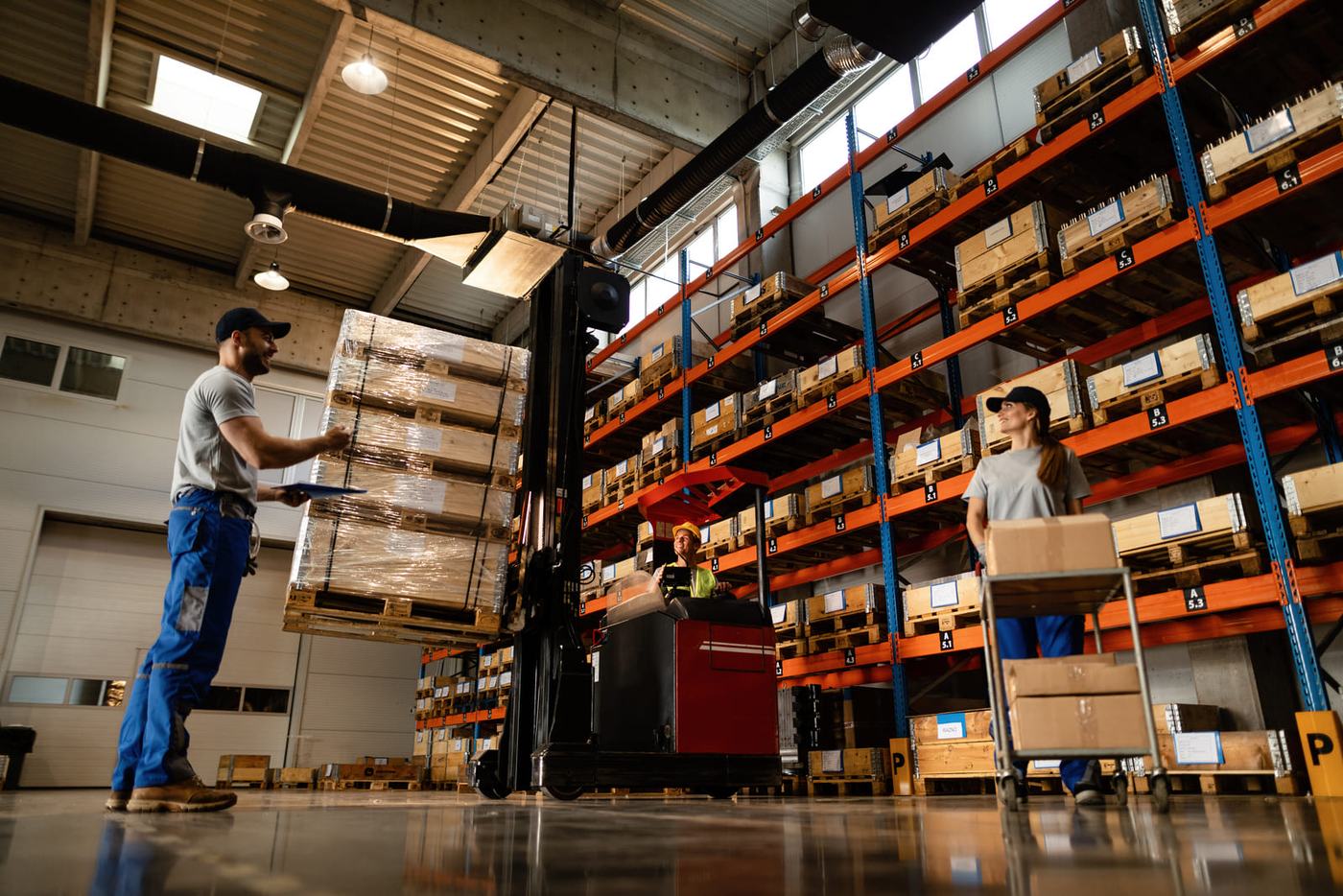
- Warehouses, workshops and industrial premises built for the owner to occupy
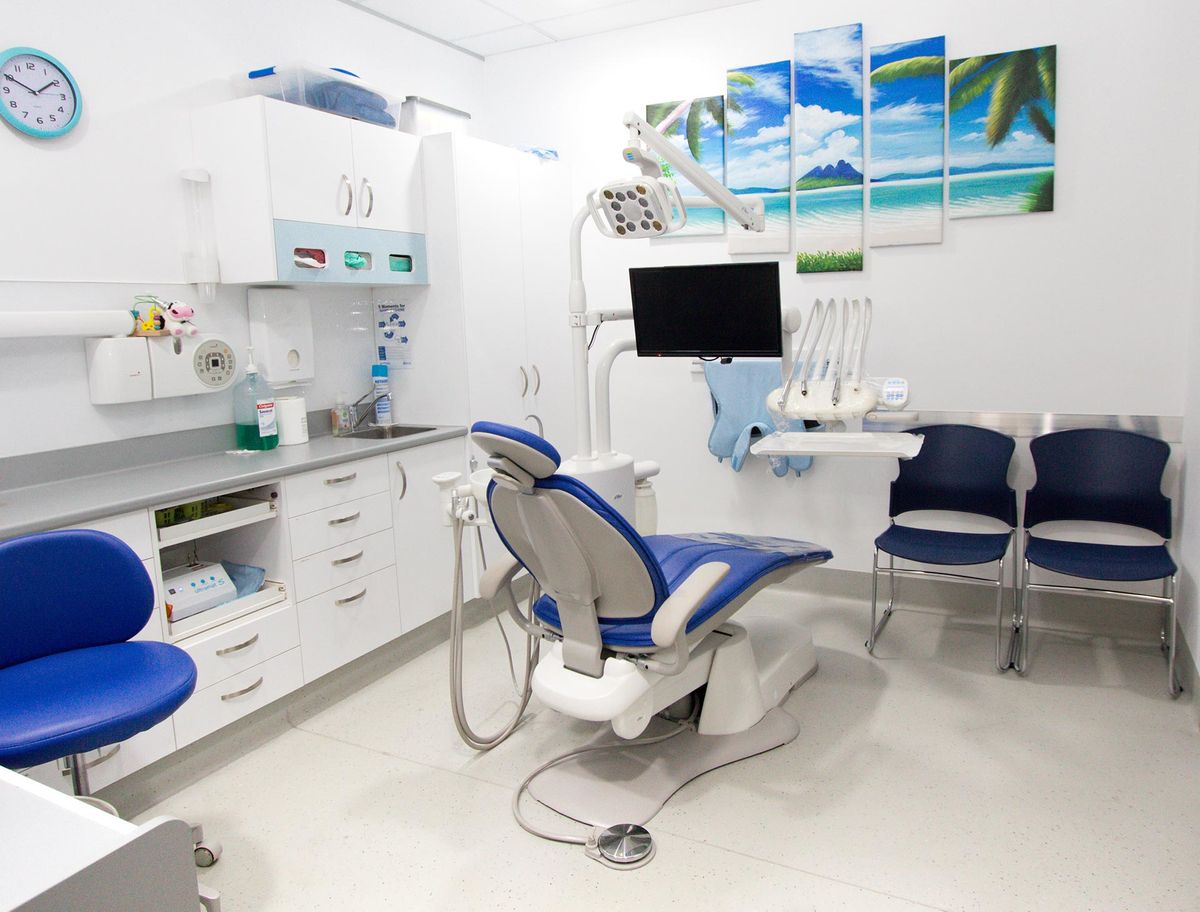
- Clinics, consulting rooms and health premises built by the practice that will use them
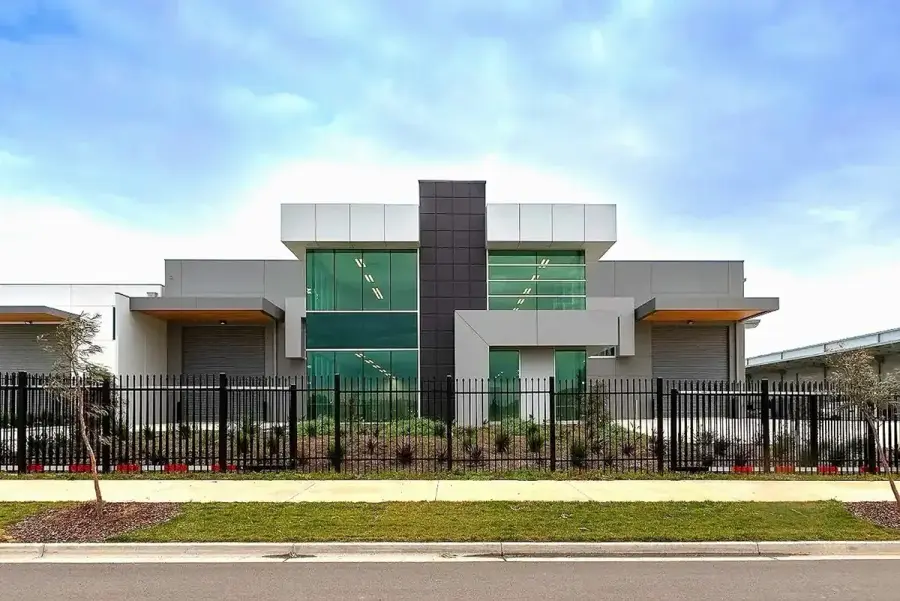
- Showrooms, trade counters and premises with a retail frontage
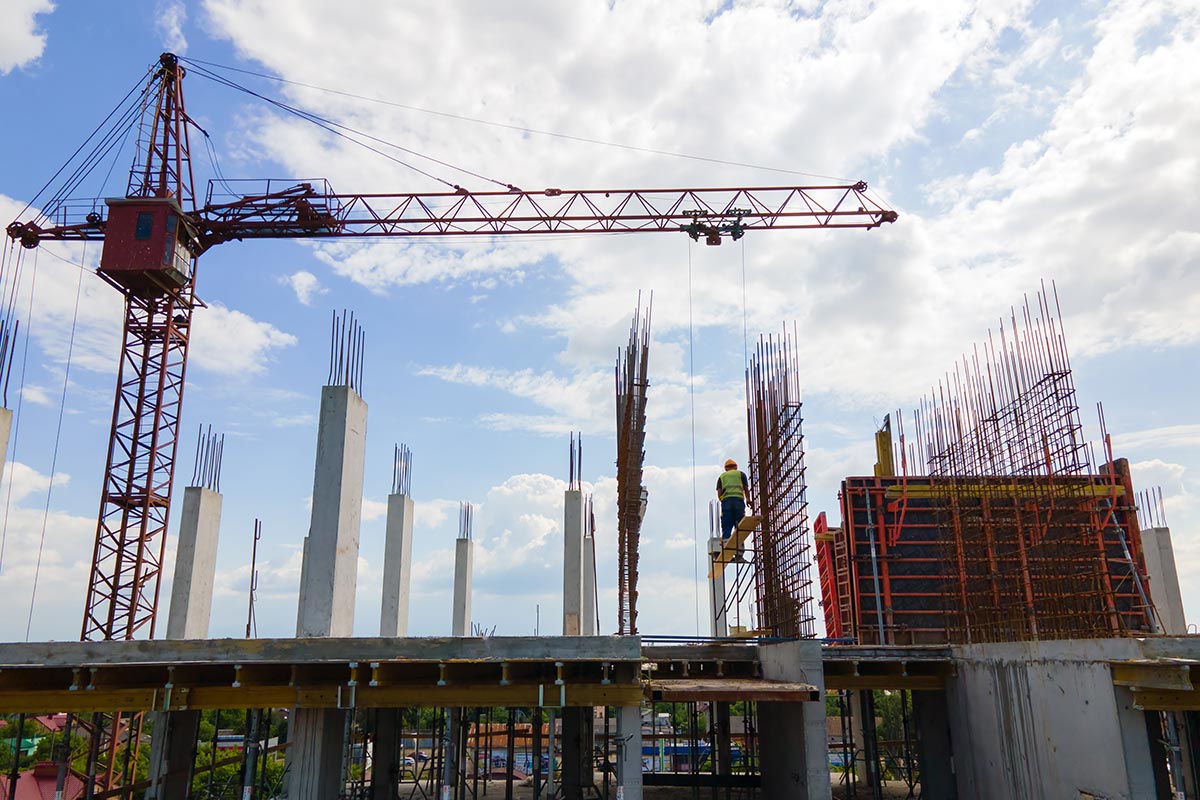
- Extensions and additional buildings on a site the business already owns
- Premises built by a business moving out of leased space
An owner occupier build has no sale at the end, so it is not sized off gross realisable value the way a development is. It is sized off completed value and cost, then serviced from your trading income once it rolls to a term facility.
Why businesses choose Ardent Capital Group as their broker
Execution and strategy
Strategy first, then execution. We structure your deal properly and take it to the lenders genuinely comfortable with it, so you are not chasing each one yourself.
Clear advice for smart lending
Straight answers on LVR, structure and timing, including when a deal does not stack up.
A long-term partner
We stay with you well beyond settlement, with lasting relationships and ongoing support from the team.
Construction types
Owner occupier construction scenarios we can help finance
What separates these files from development is the exit. A developer repays the lender from sale proceeds. You repay it from trade, which means the lender is underwriting your business as much as the building, so have both ready at the same time.
Building premises for your own business
The most common project we see here is a business that has outgrown leased premises and has decided to build rather than buy. Rent stops being an expense that rises at review and becomes a loan the business pays down, and the building is specified around how the business actually operates rather than around what happened to be available.
The funding runs in two parts. A construction facility draws progressively as the build proceeds, then converts to a term commercial mortgage once the building is complete and occupied. Both are arranged together at the start, because the terms of the second decide whether the first is worth taking.
- Built to how the business operates rather than to what was on the market
- Progressive drawdowns through construction, then a term facility
- Both facilities arranged together at the start
- Suits businesses that have outgrown leased premises
- The building is kept, not sold
- Interest capitalised so you are not paying rent and interest together
How lenders assess a build you will not sell
A development is assessed on what the finished project sells for. An owner occupier build has no sale, so the lender looks at two different things: the value of the completed building as security, and whether your business can service the term debt that follows.
During construction the facility is still capped by a share of the completed value and a share of the cost to build, and the lender advances the lesser of the two. What changes is the exit test. Instead of asking whether the stock will sell, the lender asks whether your trading income covers the repayments, which means your financials do as much work as the building plans.
- Capped by a share of completed value and a share of cost to build
- The lender advances the lesser of those two ceilings
- The exit test is servicing, not sale
- Business financials assessed alongside the project
- Completed value quoted net of GST where GST applies
- Trading history carries weight a first time developer does not have
The roll to a term commercial mortgage
At practical completion the construction facility is repaid by a term commercial mortgage secured against the finished building. That roll sets the interest cost and the loan term your business lives with long after the builder has left.
Where the same lender writes both facilities the roll is usually mechanical. Where it does not, the term facility needs to be arranged and conditionally approved before the construction facility matures, so there is no gap between the two. We set that sequence at the outset rather than in the last month of the build.
- Term facility repays the construction facility at practical completion
- Mechanical where one lender writes both
- Conditionally approved in advance where two lenders are involved
- Sequenced at the start, not in the final month of the build
- Sets the cost your business carries long after completion
- Owner occupier commercial mortgage terms apply from that point
Building on a site you already own
Plenty of these projects involve no land purchase at all. The business owns its site and is adding a second building, extending the existing one, or replacing it. Equity already in the land does the work a cash contribution would otherwise do, which is often what makes the project viable without drawing on working capital.
The lender values the site as it stands and the property as it will be on completion, and sizes the facility against the cost of the works and that completed value. Where there is an existing mortgage over the site it usually needs to be refinanced into the new facility, and that is worth checking early because it can change which lender suits.
- No land purchase, so existing equity carries the contribution
- Site valued as it stands and as it will be on completion
- Facility sized against the cost of works and the completed value
- An existing mortgage over the site usually refinanced into the facility
- Keeps working capital in the business rather than in the build
- Suits extensions, second buildings and replacement premises
Using property you already own as additional security
Where the contribution required is more than the business wants to release in cash, equity in other commercial property can be offered as additional security. That can reduce the cash needed at the start without changing the project itself.
It is a structure with real consequences, because it ties another asset to this facility, so decide it deliberately rather than by default. We will set out what each option costs and what it commits, and it is a conversation worth having with your accountant alongside us.
- Equity in other commercial property offered as additional security
- Reduces the cash contribution needed at the start
- Ties a second asset to the facility, so the choice is deliberate
- Released once the term facility is established, subject to lender policy
- Reviewed with your accountant before the structure is set
- One of several ways to bridge a contribution shortfall
Fitout and getting the building operational
A shell you cannot trade from is an unfinished project as far as your business is concerned, and the works between practical completion and opening are where these facilities most often run short. Racking, benches, cool rooms, consulting room services, signage, hardstand and the compliance works your use requires all sit in that gap.
Those costs belong in the feasibility and in the facility from the start. The quantity surveyor reports against the building contract, so anything sitting outside that contract needs to be identified and funded deliberately rather than absorbed out of trading cash at the point you can least afford it.
- Works between practical completion and trading are commonly underfunded
- Racking, services, signage, hardstand and compliance works
- Anything outside the building contract identified separately
- Quantity surveyor reports against the contract, not the whole cost
- Funded deliberately rather than absorbed from working capital
- Costed into the facility at the start
Our complete list of services
- Owner occupier construction finance
- Warehouse and factory construction finance
- Commercial fitout and refurbishment finance
- Progress payment and drawdown finance
- Cost-to-complete and overrun finance
- Commercial property loans
- Warehouse and industrial property finance
- Commercial refinancing
- Property development loans
- Land acquisition finance
- Urgent and bridging finance
- Working capital and business overdrafts
- Business loans
- SMSF commercial property finance
- Equipment and plant finance
- Residential and investment home loans
Our process
How it works
✓We understand your scenario
We talk through the property, your business and timeline, and any complexity in your structure.
✓We find the right lender
We match your deal to the lender on our panel best suited to it.
✓You receive clear terms and guidance
We present indicative terms and explain what we recommend, and why.
✓We stay with you beyond settlement
We manage everything through to settlement, then stay in your corner well beyond it, with ongoing support from the team.
Lender features compared
How owner occupier construction loans compare across lenders
| Owner occupier construction feature | Major banks | Non-bank lenders | Availability |
|---|---|---|---|
| Maximum LVR (of completed value) | Not published, case by case | Assessed case by case | Standard |
| Total construction cost | Up to 80% | Up to 85% | Important |
| Assessed on trading income | Yes | Yes | Critical |
| Presales required | Not applicable | Not applicable | — |
| Rolls to a term commercial mortgage | Commonly same lender | Sometimes a second lender | Critical |
| Additional security accepted | Available | Available | Common |
| Interest during construction | Capitalised | Capitalised | Common |
| Term (construction period) | 12 to 24 months | 12 to 24 months | Standard |
| Approval timeframe* | 4 to 8 weeks | 2 to 5 weeks | Varies |
| Best suited for | Established businesses with strong financials and a clean trading record | Shorter trading history, specialised premises, speed | — |
*IMPORTANT: These are indicative figures only. Terms, LVRs and approval timeframes vary with borrower capacity, security type and individual lender criteria, and are subject to change. Figures are a general guide, not a quote or an offer of finance, and not a representation that finance is available on these terms.
Frequently asked questions
Why choose Ardent Capital Group as your broker?
Ardent Capital Group brings the same method to every client: execution and strategy, clear advice for smart lending, and long-term growth. That means the right lender, structure and timing, straight advice so you borrow with confidence, and today's deal built toward where you want to be tomorrow. On an owner occupier build the term facility matters more than the construction facility, and it is the one most people find out about last. We arrange both together from the start.
How much can I borrow to build my own premises?
It is sized against the completed value and against the cost to build, and the lender advances the lesser of the two. The majors publish no owner-occupier commercial LVR, so that share is assessed case by case. The cost ceiling reaches up to 80% at the majors and up to 85% at non-bank lenders.
Is this the same as development finance?
No, and the difference is the exit. A development is repaid from the sale of the finished stock, so the lender assesses whether it will sell. You are keeping the building, so the lender assesses whether your business can service the term debt. That makes your financials part of the file in a way they are not on a development.
Do I need presales or a valuation on completion?
Presales do not apply, because nothing is being sold. A valuation on an as-if-complete basis is standard, because that is what sets the security value the facility is written against, and a second valuation is usually done at practical completion before the term facility settles.
What happens to the loan when the building is finished?
It converts. The construction facility is repaid by a term commercial mortgage secured against the completed building, and that term facility is what your business services from there. Where one lender writes both, the roll is usually mechanical. Where two are involved, the term facility needs conditional approval before the construction facility matures.
Can I build on land my business already owns?
Yes, and it is a common structure. Equity already in the land does the work a cash contribution would otherwise do. The lender values the site as it stands and the property as it will be on completion. Where there is an existing mortgage over the site it usually needs to be refinanced into the new facility.
Can my self managed super fund build the premises?
Not with borrowed money. Where an SMSF borrows under a limited recourse borrowing arrangement, the borrowed funds cannot be used to improve or develop the asset, which rules out funding a construction project that way. A fund can buy a completed commercial property and lease it to your business, and our SMSF commercial property finance page covers that. Please confirm your own position with your accountant or licensed adviser.
Do I have to service the loan during construction?
Usually not. Interest during construction is normally capitalised, meaning it is added to the facility rather than paid monthly. That matters more here than on a development, because most owner occupiers are still paying rent on their existing premises while the new one is built.
Does the fitout come under the same facility?
It should be identified and funded deliberately. The quantity surveyor reports against the building contract, so racking, services, signage, hardstand and compliance works sitting outside that contract need to be costed separately. Those works are where these facilities most often run short, because they fall between completion and the day you can trade.
Why did my bank decline a construction loan for my own premises?
Frequently because construction sits outside what that particular lender writes, rather than because of anything in your business. Some lenders list construction as unacceptable security outright, even where they would happily fund the purchase of the same building once it is built. Construction runs through a different panel, and matching a project to it is the work.
Can you fund the land purchase and the build together?
Yes. Where the site has consent, the purchase and the construction can sit under one facility with one valuation and no refinance in between. Where consent has not issued, the land is usually funded first and the construction facility follows once it does.
Do you fund people building a house?
No. This page and this section are for commercial premises a business will occupy and trade from. Residential owner occupier construction is regulated consumer credit and a different kind of loan, so it is not what we arrange here.
Do I need a licensed builder?
Yes. Construction funding is written against a fixed price contract with a licensed builder, because that contract is what gives the lender certainty about the cost to complete and it is what the quantity surveyor reports against. Owner building sits outside what construction lenders will fund.
What documents do you need to get started?
The development consent and construction certificate, the fixed price building contract, your last two years of business financials and recent management accounts, the contract of sale or title for the site, details of your builder, and a quantity surveyor report where one exists. We can give you an indicative position from the financials and the contract alone.
Do you charge fees for your commercial construction finance service?
Most of the time, no. Where a project requires significant preparation due to its complexity, a small mandate fee may apply, and we will always be upfront about this before any work begins.
What areas do you service?
Although we are based in Sydney, we service clients across all major Australian cities, including Melbourne, Perth, Brisbane, the Gold Coast, Adelaide, Canberra and Hobart, along with their surrounding regional areas. Wherever your project is located, we can arrange your finance.
What other finance can you assist with?
Although our main speciality is property loans for business owners, we also assist with asset finance and working capital. On asset finance, that covers the plant and vehicles a business runs, from forklifts and work vehicles to the equipment that goes into the new premises. On working capital, we arrange business overdrafts, lines of credit and cash-flow funding to carry the business through the build and the move.
We have leased premises for years and have never built. Are you beginner friendly?
Yes. That is our core ethos, helping you understand the right strategy, structure and clear advice from the first conversation. Moving from leasing to owning is one of the more common steps we help with, and your trading history does real work in the file. We will walk you through what the contribution looks like, how the term facility is priced and what the fitout needs to cover, before you commit to anything.
Can you give financial advice?
No. Arranging finance and advising on financial products are two different disciplines, and we do the first. What we bring is the credit analysis lenders require, the structuring of the facility, and the strategy for putting your application in front of lenders whose appetite matches it.
Because we act as a credit representative under an Australian Credit Licence, we do not give financial product, superannuation, taxation or legal advice, and nothing we provide should be taken as such. Where your circumstances need that input, we are happy to work with your accountant, financial adviser and solicitor to understand the full picture before anything is submitted.
The information on this page is general in nature and does not take account of your objectives, financial situation or needs.