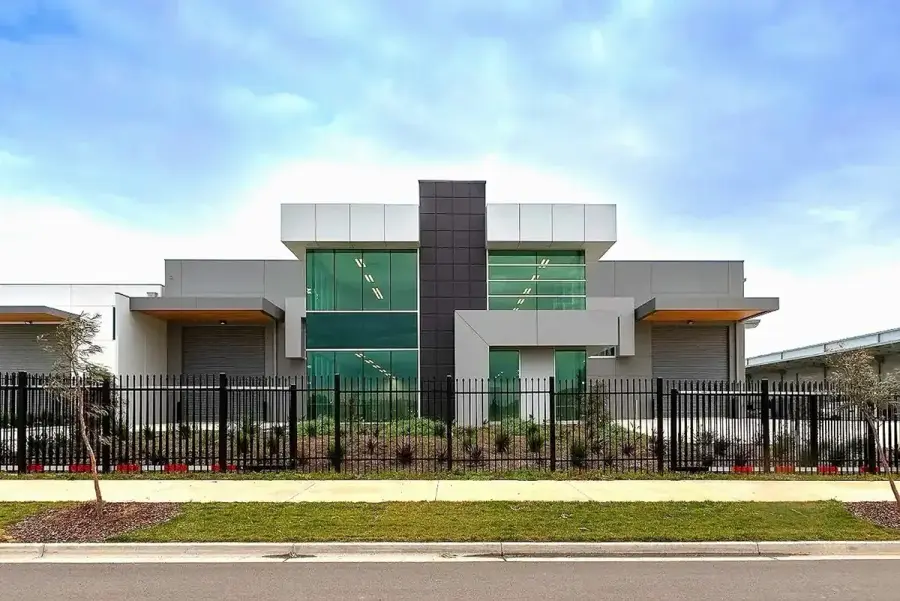


Residual stock finance for property developers
Refinancing the dwellings your project has not sold yet
Holding unsold stock at the end of a project?
Your project is finished, the occupation certificate is issued and the titles have registered. Some dwellings have settled and some have not, and the construction facility is due to be repaid in full. A residual stock facility refinances what is left so the build debt comes out and you keep control of the pricing on the remaining stock. We arrange those facilities across a panel that treats completed, titled stock as its own asset class rather than as a project that ran late.
We can help you:
- Refinance an expiring construction facility once the project reaches practical completion
- Borrow against completed, titled dwellings that have not sold, sized against the value of the unsold line rather than against what the project cost to build
- Take the pressure off the sales campaign so stock is not discounted to meet a lender deadline
- Release equity from the unsold parcel to settle the next site or fund the next stage
- Set a release price for each dwelling so the facility reduces automatically as sales settle
- Capitalise interest where sales are expected to clear the facility inside the term
- Fund residual stock across apartments, townhouses, land lots and completed commercial suites
- Move to a term investment facility where you decide to hold the balance rather than sell it
- Work with the valuer early so the in one line figure is understood before an application goes in
- Arrange finance from $50K to $30M nationally, from our Sydney office
Who we help:
- Established business owners who require finance between $50K to $30M
- First-time borrowers who need a beginner-friendly strategy
- Sophisticated borrowers and investors who need a unique strategy and deal structure
- Urgent, time-sensitive deals that need to move quickly
- Self-employed and trust-structured borrowers who need their income presented properly
- Commercial property owners with multi-tenancy plans



Speak to a specialist today
1,000+
loans settled
$2B+
funded
Residual stock finance
Getting the build debt out without discounting the last dwellings
We work with developers who have delivered the project and are now holding stock that has not sold yet. The construction lender wants its money back on the date in the facility, and the market clears at its own pace. We arrange the facility that sits between those two things, so the remaining dwellings are sold on your pricing rather than on someone else timetable. We handle the valuation brief, the lender selection and the release pricing end to end.
Funding from $50K to $30M
from over 60 bank & non-bank lenders












- ANZ
- Bankwest
- Bluestone
- Bank of Queensland
- Commonwealth Bank
- Firstmac
- ING
- Macquarie
- NAB
- Pepper Money
- Suncorp Bank
- Thinktank
Residual stock finance specialists
Residual stock is a specialist area. We can assist, usually in the last few months of a project when the construction facility is running down. The stock we can refinance includes:
- Completed apartments in a registered strata plan
- Finished townhouses and villas awaiting settlement
- Registered residential lots in a subdivision
- Completed commercial or retail suites held unsold
- Mixed parcels of residential and commercial stock in one building
Unsold stock carries two values at once. Your agent prices each dwelling for retail sale. The valuer also reports what the whole remaining line would fetch to a single buyer, and the facility is sized against that second figure. Knowing the spread before you apply changes which lender we approach.
Why businesses choose Ardent Capital Group as their broker
Execution and strategy
Strategy first, then execution. We structure your deal properly and take it to the lenders that suit your situation, so you are not approaching each one yourself.
Clear advice for smart lending
Straight answers on LVR, structure and timing, including when a deal does not stack up.
A long-term partner
We stay with you well beyond settlement, with lasting relationships and ongoing support from the team.
Development types
Residual stock scenarios we can help finance
What decides a residual stock facility is the quality of the remaining line, not the history of the project. Titles registered, an occupation certificate issued, and genuine sales evidence on the dwellings that have already settled will carry a file further than a strong build record.
Refinancing an expiring construction facility
This is the common one. The project reached practical completion, the titles registered, and the construction facility has a repayment date that is now close. Enough dwellings have settled to prove the pricing, but not enough to clear the debt in full.
A residual stock facility repays the construction lender and holds the balance against the stock that is left. The build debt comes off your file, the project is complete for lending purposes, and the remaining dwellings are sold into the market at your pricing.
- Occupation certificate issued and titles registered
- Construction facility repaid in full at settlement of the new facility
- Sales evidence from settled dwellings used to support the valuation
- Release price set per dwelling so the facility reduces as sales settle
- Term set against a realistic sales rate, not an optimistic one
- Interest serviced from settlements or capitalised inside the facility
Apartment and strata stock
Completed apartments in a registered strata plan are the most commonly funded residual stock. Each lot has its own title, which means the lender can take security over the specific unsold lots and discharge them one at a time as they settle.
The valuation is where these deals are decided. A valuer reports both a retail total, being the sum of the individual units, and an in one line figure for the remaining parcel sold to a single buyer. The facility is sized against the second.
- Security taken over the specific unsold lots, not the whole building
- Individual titles allow partial discharge on each settlement
- Retail and in one line valuations both reported
- Owners corporation established and levies struck
- Defects and rectification status reviewed as part of the file
- Rental of unsold lots considered where stock is tenanted while it sells
Townhouse, villa and land lot stock
Smaller residential projects reach the same point. A four or eight dwelling townhouse site, or a staged subdivision with registered lots, will often have most of its stock sold and a handful left at the end of the campaign.
These are frequently the deals a major bank has least appetite for, because the residual line is small and the remaining stock is what the market has already passed over once. Non-bank and private lenders assess them on the asset and the exit rather than on the balance sheet.
- Registered lots or completed dwellings with separate titles
- Suitable for the last few dwellings in a small project
- Englobo or superlot value considered for larger unsold land parcels
- Sales evidence from the settled dwellings in the same project
- Shorter terms available where a sale is already under contract
- Facility structured to release each title on settlement
Commercial and mixed use stock
Residual stock is not only residential. Completed office suites, retail tenancies and industrial units held unsold at the end of a project are funded on the same basis, and so are the commercial components of a mixed use building.
Where the unsold commercial space is tenanted, the rent supports serviceability and the facility can often run longer. Where it is vacant, the file is assessed on the value of the space and on the strength of the leasing campaign behind it.
- Completed strata office, retail and industrial units
- Commercial components of a mixed use residential building
- Tenanted stock assessed with the rent supporting the facility
- Vacant stock assessed on value and leasing evidence
- Longer terms available where leases are in place
- Suits developers holding commercial space while residential settles
Releasing equity to fund the next project
A residual stock facility does not have to be sized only to repay the construction lender. Where the unsold line carries value beyond the build debt, the facility can be written above that figure and the difference released to you.
That is often what lets a developer settle the next site while the current project is still selling down. It puts the equity built in the completed project to work rather than leaving it sitting in stock waiting for a buyer.
- Facility sized above the construction debt where value supports it
- Released funds applied to a site deposit or the next stage
- Removes the wait between selling down and starting again
- Assessed on the unsold line and on your wider position
- Can run alongside a land acquisition facility on the next site
- Exit remains the sale of the remaining stock
Holding the stock rather than selling it
Some developers decide the remaining dwellings are worth keeping. Where the plan changes from selling the balance to holding it, the finance has to change with it, because a residual stock facility is a short term product priced for a sales exit.
We move those positions onto a term investment facility instead, assessed on the rent the stock produces rather than on a sales campaign. That is a different lender panel and a longer term, and it is usually the cheaper place to sit once the decision to hold is made.
- Term investment facility replacing the short term residual stock loan
- Assessed on rental income from the retained dwellings
- Longer terms and lower cost than a stock facility
- Suits stock held in a company or trust for the long term
- Can retain part of the line and continue selling the rest
- Reviewed with your accountant before the structure is set
Our complete list of services
- Residual stock finance
- Development exit finance
- Property development loans
- Construction finance
- Land acquisition finance
- Land subdivision finance
- Townhouse and duplex development finance
- Apartment development finance
- Commercial property loans
- Commercial refinancing
- Urgent and bridging finance
- Working capital and business overdrafts
- Business loans
- SMSF commercial property finance
- Residential and investment home loans
Our process
How it works
✓We understand your scenario
We talk through the property, your business and timeline, and any complexity in your structure.
✓We find the right lender
We match your deal to the lender on our panel best suited to it.
✓You receive clear terms and guidance
We present indicative terms and explain what we recommend, and why.
✓We stay with you beyond settlement
We manage everything through to settlement, then stay in your corner well beyond it, with ongoing support from the team.
Lender features compared
How residual stock loans compare across lenders
| Residual stock loan feature | Major banks | Non-bank lenders | Availability |
|---|---|---|---|
| Valuation basis | In one line, discounted against the retail total | In one line, with retail evidence given weight | Critical |
| Maximum LVR (of unsold stock value) | Assessed case by case | Assessed case by case, with broader appetite | Important |
| Facility term | 6 to 12 months | 6 to 24 months | Flexible |
| Interest treatment | Serviced from settlements | Serviced or capitalised | Common |
| Partial discharge as dwellings settle | Standard | Standard | Standard |
| Sales evidence expected | Strong settled sales expected | More flexible | Critical |
| Appetite for a small remaining line | Limited | Active | Specialised |
| Approval timeframe* | 4 to 8 weeks | 2 to 5 weeks | Varies |
| Best suited for | Larger lines with strong settled sales evidence | Smaller lines, tighter timing, stock a bank has passed on | — |
*IMPORTANT: These are indicative figures only. Terms, LVRs and approval timeframes vary with borrower capacity, security type and individual lender criteria, and are subject to change. Figures are a general guide, not a quote or an offer of finance, and not a representation that finance is available on these terms.
Frequently asked questions
Why do borrowers choose Ardent Capital Group as their broker?
Ardent Capital Group brings the same method to every client: execution and strategy, clear advice for smart lending, and long-term growth. That means the right lender, structure and timing, straight advice so you borrow with confidence, and today's deal built toward where you want to be tomorrow. On residual stock that method starts with the valuation. We brief the valuer on the settled sales in your own project before an application goes in, because the in one line figure is what sizes the facility, and a valuer working without that evidence will report a wider discount than the stock deserves.
What is residual stock finance?
It is a facility secured against the completed, titled dwellings in a project that have not sold yet. It is used at the end of a development, once the occupation certificate is issued and the titles have registered, to repay the construction lender and hold the remaining stock while it sells. The facility reduces as each dwelling settles.
When would I need it?
Most often when the construction facility is due for repayment and the sales campaign has not cleared enough stock to repay it in full. It is also used to release equity from a completed project so you can settle the next site, and to move off an expensive construction facility once the build risk has gone.
How do lenders value unsold stock?
The valuer reports two figures. The retail total is the sum of the individual dwellings sold one at a time over a normal sales campaign. The in one line figure is what the remaining parcel would fetch sold together to a single buyer, and it is lower because the buyer is taking on the holding cost and the sales risk. Residual stock facilities are sized against the in one line figure. The gap between the two narrows as the line gets smaller and as settled sales in the same project prove the pricing.
How much can I borrow against unsold dwellings?
It is set as a share of the in one line value of the unsold stock, not the retail total and not what the project cost to build. The share itself moves with the size of the remaining line, the settled sales evidence and the lender. Send us the schedule of unsold dwellings and the settlements to date and we will come back with the numbers the panel will actually write.
Do the titles need to be registered?
Yes, for a true residual stock facility. Registered titles are what allow the lender to take security over the specific unsold lots and discharge them individually as they settle. Where titles have not registered yet, the position is usually funded as development exit finance instead, which we also arrange.
How does the loan reduce as dwellings sell?
A release price is set for each dwelling at the start. When a dwelling settles, that amount is paid to the lender and the title is discharged, and the facility reduces accordingly. Release prices are usually set slightly above the pro rata share of the debt so the facility pays down faster than the stock sells, which protects the lender as the line gets smaller.
Can interest be capitalised?
Often yes, where the expected settlements will clear the facility comfortably inside the term. Capitalised interest is added to the facility rather than paid monthly, which matters when the stock is not producing income. Where the remaining dwellings are tenanted while they sell, that rent can service the facility instead.
What happens if off the plan buyers do not settle?
Contracts fall over, and a dwelling that was counted as sold comes back into the unsold line. A residual stock facility is the usual answer, because it treats that dwelling as stock to be resold rather than as a settlement that failed. We size the facility on the stock actually held rather than on the contracts on foot, so a fall over does not put the facility out of order.
What documents do you need to get started?
The schedule of dwellings showing what has settled, what is under contract and what is unsold. The current construction facility details and its expiry. The occupation certificate and evidence of title registration. Any recent valuation. Sales agency reports on the campaign to date. We can give you an indicative position from the schedule and the facility details alone.
Will a major bank do this?
Some will, on larger lines with strong settled sales and an established developer. Many will not, particularly where the remaining line is small or where the project ran past its original timetable. The non-bank and private panel is more active here and works to shorter timeframes, which is usually what the situation calls for.
Is residual stock finance the same as development exit finance?
They overlap and they are not identical. Development exit finance refinances a construction facility at or near completion, and can be arranged before titles register. Residual stock finance is secured against completed, titled dwellings and is designed to run while they sell down. Many projects use one and then the other.
Can I use it to fund my next site?
Yes, where the value in the unsold line supports a facility above the construction debt being repaid. The difference is released to you and is commonly applied to a deposit on the next site. That is one of the main reasons developers arrange these facilities rather than simply waiting for the stock to clear.
Does it work for commercial stock?
Yes. Completed office suites, retail tenancies, industrial units and the commercial components of a mixed use building are all funded on the same basis. Where the space is tenanted the rent supports the facility and the term can usually run longer than on vacant residential stock.
Do you charge fees for your residual stock finance service?
Most of the time, no. Where a facility requires significant preparation due to its complexity, a small mandate fee may apply, and we will always be upfront about this before any work begins.
What areas do you service?
Although we are based in Sydney, we service clients across all major Australian cities, including Melbourne, Perth, Brisbane, the Gold Coast, Adelaide, Canberra and Hobart, along with their surrounding regional areas. Wherever your project is located, we can arrange your finance.
What other finance can you assist with?
Although our main speciality is property loans for business owners, we also assist with asset finance and working capital. On asset finance, that covers the plant and vehicles a development business runs, from site utilities and excavators to fit-out equipment and work vehicles. On working capital, we arrange business overdrafts, lines of credit and cash-flow funding to carry holding costs on unsold stock, to cover rates and strata levies, and to fund consultants ahead of the next project.
I've been a developer for a few years now, but this will be my first residual stock facility. Are you beginner friendly?
Yes. That is our core ethos, helping you understand the right strategy, structure and clear advice from the very first conversation. Our main borrower profiles are developers and commercial property owners seeking finance from $50,000 upwards, and the first residual stock facility usually comes at the end of a first completed project, so it is well within our wheelhouse. We will walk you through how the in one line valuation works, how release pricing is set and what term is realistic, before you commit to anything.
Can you give financial advice?
No. Arranging finance and advising on financial products are two different disciplines, and we do the first. What we bring is the credit analysis lenders require, the structuring of the facility, and the strategy for putting your application in front of lenders whose appetite matches it.
Because we act as a credit representative under an Australian Credit Licence, we do not give financial product, superannuation, taxation or legal advice, and nothing we provide should be taken as such. Where your circumstances need that input, we are happy to work with your accountant, financial adviser and solicitor to understand the full picture before anything is submitted.
The information on this page is general in nature and does not take account of your objectives, financial situation or needs.