
Progress payment and drawdown finance
How construction funds are released as your build proceeds
Want to understand how construction drawdowns actually work?
A construction facility is not paid out at settlement. It is released in stages as the work is completed and certified, which means you only pay interest on what has been drawn, and it means the lender is checking the project at every release. Understanding that sequence before you sign is what keeps a build running smoothly. We arrange construction facilities from $50K to $30M.
We can help you:
- Arrange construction facilities that draw progressively against certified stages
- Set a drawdown schedule that matches your building contract rather than fighting it
- Arrange facilities where interest is capitalised rather than paid monthly
- Coordinate the quantity surveyor process at each claim
- Fund the retention held back from the builder until the defects period ends
- Arrange the term facility that repays the construction loan at practical completion
- Fund your own contribution ahead of the lender first where a contract requires it
- Arrange facilities where the site purchase and the construction sit together
- Work through a delayed or disputed drawdown with the lender
- Arrange finance from $50K to $30M nationally, from our Sydney office
Who we help:
- Established business owners who require finance between $50K to $30M
- First-time borrowers who need a beginner-friendly strategy
- Sophisticated borrowers and investors who need a unique strategy and deal structure
- Urgent, time-sensitive deals that need to move quickly
- Self-employed and trust-structured borrowers who need their income presented properly
- Commercial property owners with multi-tenancy plans



Speak to a specialist today
1,000+
loans settled
$2B+
funded
Progress payments and drawdowns
Setting up a drawdown structure that matches how you actually build
Most trouble on a construction facility comes from the drawdown structure rather than from the approval. A schedule set to stages your contract does not use, a quantity surveyor engaged late, or a contribution the lender wants spent before it releases anything all cost time on site. Those are arrangeable at the start and expensive to fix in the middle.
Funding from $50K to $30M
from over 60 bank & non-bank lenders












- ANZ
- Bankwest
- Bluestone
- Bank of Queensland
- Commonwealth Bank
- Firstmac
- ING
- Macquarie
- NAB
- Pepper Money
- Suncorp Bank
- Thinktank
Progress payment and drawdown finance specialists
Construction drawdowns are a specialist area, and one where the paperwork sets the pace on site. We can assist developers, owner occupiers and investors building. The situations we can work through include:
- Facilities drawing against a standard staged building contract
- Projects where the borrower contributes first before the lender releases funds
- Builds where the drawdown schedule needs to match a non-standard contract
- Facilities carrying retention through to the end of the defects period
- Projects rolling from a construction facility into a term loan at completion
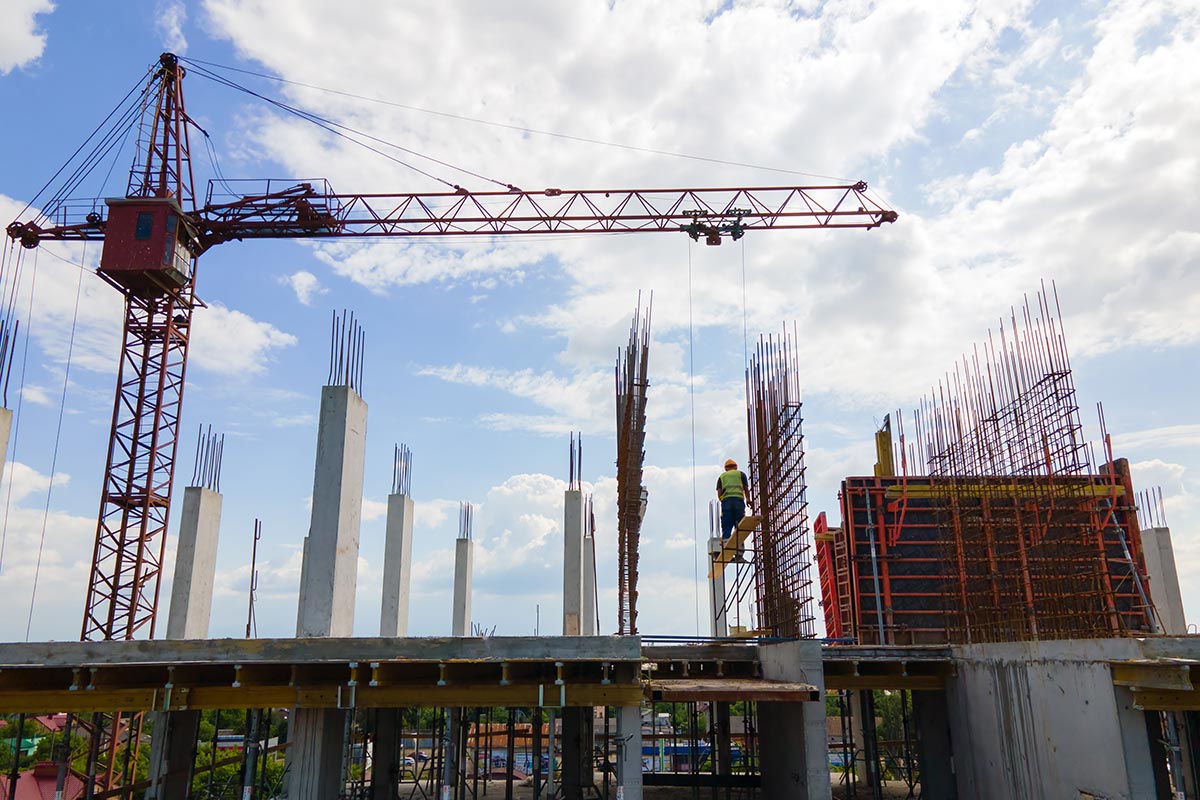
A drawdown is released against work already in place, not work about to start. That single fact sets the rhythm of a build: the builder completes a stage, a quantity surveyor certifies it, then the funds are released. Cash always sits one stage behind the site.
Why businesses choose Ardent Capital Group as their broker
Execution and strategy
Strategy first, then execution. We structure your deal properly and take it to the lenders genuinely comfortable with it, so you are not chasing each one yourself.
Clear advice for smart lending
Straight answers on LVR, structure and timing, including when a deal does not stack up.
A long-term partner
We stay with you well beyond settlement, with lasting relationships and ongoing support from the team.
Construction types
Construction drawdown scenarios we can help finance
The mechanics below are common to almost every construction facility in Australia. Knowing them before you sign a building contract lets you line the two documents up, which is the single practical thing that keeps a build off the phone to its lender.
How a drawdown schedule works
A construction facility is divided into stages, and funds are released as each is finished. On a typical build those stages are the slab, the frame, lock up, fixing and practical completion, with a value assigned to each that reflects the proportion of the contract that stage represents.
The critical detail is that the schedule in your loan documents and the schedule in your building contract are two separate documents. If they do not describe the same stages at the same values, the builder claims for work the lender is not yet releasing against, and the difference comes out of your pocket until the next stage certifies. Lining them up before signing costs nothing.
- Funds released as each stage is completed, not in advance
- Slab, frame, lock up, fixing and practical completion are the usual stages
- Each stage carries a value reflecting its share of the contract
- The loan schedule and the building contract are separate documents
- Mismatched schedules leave you funding the gap between them
- Aligned before signing rather than reconciled mid-build
The quantity surveyor and the cost to complete
Before each release the lender sends a quantity surveyor to the site. They certify two things: the value of the work physically in place, and the cost of the work still to be done. That second figure is the one that matters most to the lender, because it is what tells them whether the remaining facility is enough to finish the building.
This is why a project can be on programme and still have a drawdown queried. If costs have moved, the cost to complete rises, and the lender needs to see how the gap is covered before it releases more. Engaging the quantity surveyor early and giving them full access is the straightforward way to keep releases on time.
- Work in place and cost to complete both certified at each claim
- Cost to complete is what the lender is really testing
- A rising cost to complete can query a drawdown on an on-time project
- Reports commissioned by the lender and paid for by the borrower
- Early engagement and full site access keep releases on schedule
- The same report is the early warning on a budget moving
Contributing your share first
Most construction facilities require your contribution to be spent before the lender releases anything. If the facility covers a share of the total cost, you fund the balance up front, and the lender begins drawing once its own exposure is at the agreed level.
That order catches people out, because it means the cash requirement lands at the start rather than being spread across the build. Where the contribution is equity in land you already own rather than cash, it is usually treated as contributed at settlement, which is one reason building on a site you already hold is more comfortable to fund.
- Borrower contribution commonly spent before the first lender drawdown
- The cash requirement lands at the start, not across the build
- Land equity generally treated as contributed at settlement
- Building on a site you already own eases the early cash position
- Confirmed in the letter of offer before the contract is signed
- Worth modelling into your cash flow rather than discovering on site
Retention and the defects period
Building contracts commonly hold back a portion of each payment, and release it after a defects liability period that runs on past practical completion. The purpose is to give you something to draw on if the builder does not return to fix what needs fixing.
For the facility this means a portion of the funds stays committed after the building is finished and occupied. Expect it, because it affects when the construction facility can be fully repaid and rolled, and it is a normal part of the contract rather than something being withheld from you.
- A portion of each payment held back under the building contract
- Released after the defects liability period, not at completion
- Gives you recourse if defects are not attended to
- Keeps part of the facility committed past occupation
- Affects the timing of the final repayment and roll
- A normal contract mechanism rather than a lender restriction
Practical completion and the final drawdown
Practical completion is the point the building is finished enough to be used for its purpose, even if minor items remain. It triggers the final drawdown, the occupation certificate process and, in most cases, the start of the defects period.
The final release usually requires the occupation certificate, a final quantity surveyor report and, where the building is to be leased or sold, evidence of that. Where an occupation certificate is delayed by a compliance matter the facility can run past its expected end, which is why the term should always allow room past the builder's programme.
- The building is usable for its purpose, minor items aside
- Triggers the final drawdown and the defects period
- Occupation certificate and a final surveyor report usually required
- Certificate delays can push the facility past its expected end
- Term set with room past the builder's programme
- Evidence of lease or sale required where that is the exit
Rolling into a term facility
A construction facility is short term by design. At completion it is repaid, either from the sale of the finished project or by a term facility secured against the completed building. For an owner occupier or an investor holding the asset, that term facility is the one that actually matters.
Where the same lender writes both, the roll is usually mechanical. Where a second lender takes over, the term facility needs conditional approval well before the construction facility matures, so there is no gap. We arrange both together at the start rather than treating the second as a separate exercise later.
- Construction facilities are short term by design
- Repaid from sale proceeds or by a term facility
- Mechanical where one lender writes both facilities
- Conditional approval in advance where a second lender takes over
- Arranged together at the start rather than late in the build
- The term facility is what an owner occupier lives with long term
Our complete list of services
- Progress payment and drawdown finance
- Owner occupier construction finance
- Warehouse and factory construction finance
- Commercial fitout and refurbishment finance
- Cost-to-complete and overrun finance
- Property development loans
- Land acquisition finance
- Development exit finance
- Commercial property loans
- Commercial refinancing
- Urgent and bridging finance
- Working capital and business overdrafts
- Business loans
- SMSF commercial property finance
- Residential and investment home loans
Our process
How it works
✓We understand your scenario
We talk through the property, your business and timeline, and any complexity in your structure.
✓We find the right lender
We match your deal to the lender on our panel best suited to it.
✓You receive clear terms and guidance
We present indicative terms and explain what we recommend, and why.
✓We stay with you beyond settlement
We manage everything through to settlement, then stay in your corner well beyond it, with ongoing support from the team.
Lender features compared
How drawdown structures compare across lenders
| Drawdown feature | Major banks | Non-bank lenders | Availability |
|---|---|---|---|
| Progressive drawdowns | Standard | Standard | Common |
| Quantity surveyor report per claim | Required | Required | Critical |
| Release turnaround after certification | Generally slower | Generally faster | Critical |
| Borrower contribution spent first | Commonly required | Commonly required | Important |
| Non-standard drawdown schedules | Limited flexibility | More flexible | Important |
| Interest during construction | Capitalised | Capitalised | Common |
| Funding a rising cost to complete | Case by case | Case by case | Critical |
| Term (construction period) | 12 to 24 months | 12 to 24 months | Standard |
| Approval timeframe* | 4 to 8 weeks | 2 to 5 weeks | Varies |
| Best suited for | Standard contracts, straightforward programmes, cost priority | Tight programmes, non-standard contracts, speed of release | — |
*IMPORTANT: These are indicative figures only. Terms, LVRs and approval timeframes vary with borrower capacity, security type and individual lender criteria, and are subject to change. Figures are a general guide, not a quote or an offer of finance, and not a representation that finance is available on these terms.
Frequently asked questions
Why work with Ardent Capital Group on your finance?
Ardent Capital Group brings the same method to every client: execution and strategy, clear advice for smart lending, and long-term growth. That means the right lender, structure and timing, straight advice so you borrow with confidence, and today's deal built toward where you want to be tomorrow. Most construction trouble starts in the drawdown schedule rather than in the approval, and it is fixable at the start. That is where we spend the time.
How do construction progress payments work?
The facility is divided into stages and funds are released as each stage is completed and certified, rather than paid out in full at settlement. Slab, frame, lock up, fixing and practical completion are the usual stages. You pay interest only on what has been drawn, so the cost builds as the project does.
Who decides when a drawdown is released?
The lender, on the evidence of a quantity surveyor report. The surveyor inspects the site and certifies the value of the work in place and the cost of the work remaining. Once that report is accepted, the release follows. It is an evidence process rather than a judgement call.
What is a cost-to-complete report and why does it matter?
It is the quantity surveyor's estimate of what it will cost to finish the building from where it stands. The lender reads it to confirm the remaining facility is enough to complete. If that figure rises, a project on programme can still have a drawdown queried, because the question is whether the money left will finish the job.
Do I have to pay interest during construction?
Usually not out of pocket. Interest during construction is normally capitalised, meaning it is added to the facility rather than paid monthly, because the project produces no income while it is being built. It is still a real cost and it should sit in your feasibility.
Do I have to put my own money in first?
On most facilities, yes. The lender commonly requires your contribution to be spent before it begins releasing, so the cash requirement lands at the start rather than spread across the build. Where the contribution is equity in land you already own, it is generally treated as contributed at settlement.
What is retention and when do I get it back?
Retention is a portion of each payment held back under your building contract and released after a defects liability period that runs past practical completion. It gives you something to draw on if defects are not attended to. It also means part of the facility stays committed after the building is occupied.
Why is my drawdown taking so long?
Most delays trace to one of four things: the quantity surveyor has not yet inspected, the report has raised a cost-to-complete question, the drawdown schedule in the loan does not match the stage the builder has claimed, or documentation for the stage is incomplete. Tell us early and we will work through it with the lender rather than after the builder has stopped.
What happens if my builder claims for a stage my lender has not reached?
You fund the difference until the stage certifies, which is exactly why the loan schedule and the building contract should describe the same stages at the same values. It is the most common avoidable cash problem on a build, and lining the two documents up before signing costs nothing.
What is practical completion?
The point at which the building is finished enough to be used for its purpose, even if minor items remain outstanding. It triggers the final drawdown, the occupation certificate process and generally the start of the defects liability period.
What happens to the loan at completion?
It is repaid, either from the sale of the finished project or by a term facility secured against the completed building. Where the same lender writes both, the roll is usually mechanical. Where a second lender takes over, that facility needs conditional approval before the construction loan matures.
What if the project costs more than the facility covers?
That is what the cost-to-complete report is designed to surface, usually partway through rather than at the end. It is solvable and it is common. Our cost-to-complete and overrun finance page sets out the options, including where the existing lender funds the gap and where a second facility is the practical route.
Can the drawdown schedule be changed after settlement?
Sometimes, and it is easier at some lenders than others. It generally requires the lender to agree and a surveyor to support the revised staging. It is far simpler to set the schedule correctly against your building contract before the facility settles.
What documents do you need to get started?
The fixed price building contract with its payment schedule, the development consent and construction certificate, your feasibility, the title or contract of sale for the site, and details of your builder. If you already have a letter of offer from a lender, send that too and we will read the drawdown terms in it.
Do you charge fees for your construction finance service?
Most of the time, no. Where a project requires significant preparation due to its complexity, a small mandate fee may apply, and we will always be upfront about this before any work begins.
What areas do you service?
Although we are based in Sydney, we service clients across all major Australian cities, including Melbourne, Perth, Brisbane, the Gold Coast, Adelaide, Canberra and Hobart, along with their surrounding regional areas. Wherever your project is located, we can arrange your finance.
What other finance can you assist with?
Although our main speciality is property loans for business owners, we also assist with asset finance and working capital. On asset finance, that covers the plant and vehicles a building business runs, from excavators and scaffolding to site utilities and work vehicles. On working capital, we arrange business overdrafts, lines of credit and cash-flow funding to carry a project between drawdowns and to cover holding costs.
This is our first build and the drawdown process is new to us. Can you help?
Yes. That is our core ethos, helping you understand the right strategy, structure and clear advice from the first conversation. First time borrowers are least prepared for the drawdown sequence, and it is entirely learnable. We will walk you through what each stage requires, when the cash is needed and what the surveyor will be looking at, before you commit to anything.
Can you give financial advice?
No. Arranging finance and advising on financial products are two different disciplines, and we do the first. What we bring is the credit analysis lenders require, the structuring of the facility, and the strategy for putting your application in front of lenders whose appetite matches it.
Because we act as a credit representative under an Australian Credit Licence, we do not give financial product, superannuation, taxation or legal advice, and nothing we provide should be taken as such. Where your circumstances need that input, we are happy to work with your accountant, financial adviser and solicitor to understand the full picture before anything is submitted.
The information on this page is general in nature and does not take account of your objectives, financial situation or needs.