

Commercial Mortgages for a Bakery and Patisserie, Explained
Buying the premises your bakery or patisserie already trades from is a natural next step once the ovens, proofers and display fit-out are yours. At Ardent Capital Group we speak with food-business owners about this kind of commercial property purchase, and this guide walks through how a lender reads the deal and what shapes the numbers.
Ardent Capital Group works with bakery and patisserie operators across Australia on the move from tenant to owner. We arrange and structure the finance, and give clear advice on the strategy behind it, while final tax and ownership decisions stay with your accountant.
- Funding capacity: Finance from $50,000 to $30,000,000+, sized to the site and your trading profile.
- Track record: $2B+ facilitated over a decade for 1,000+ business borrowers nationwide.
- Coverage: Sydney, Melbourne, Brisbane, Gold Coast, Perth, Adelaide, Canberra, Hobart and surrounding regional markets.
- Delivery: Bank-grade credit analysis, practical deal structuring and lender negotiation that respects your time.
Owning vs leasing your bakery and patisserie
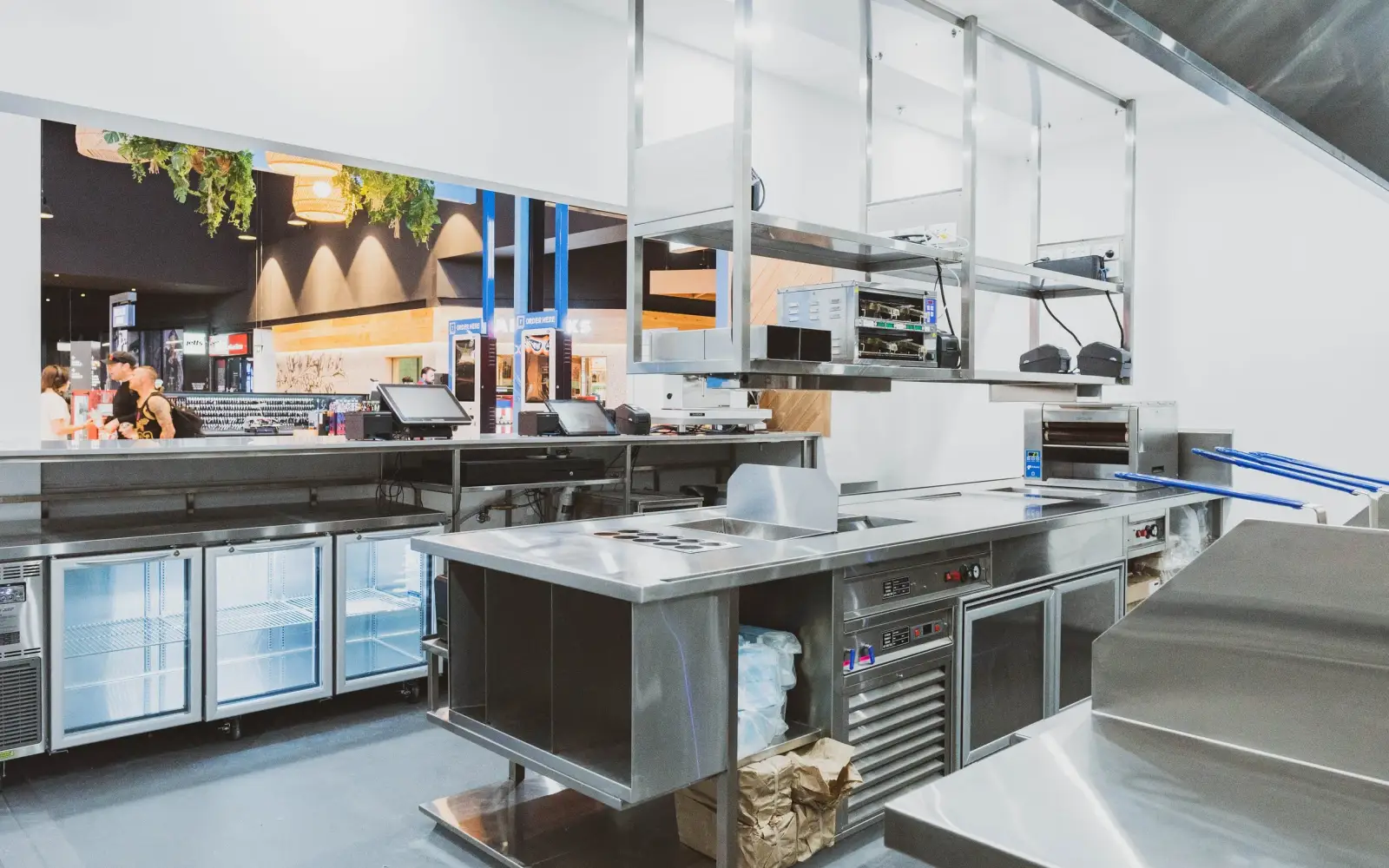
Bakery fit-outs are capital heavy. Deck or rack ovens, three-phase power upgrades, gas lines, extraction and flues, grease traps, cool rooms, proofers, sheeters, food-grade drainage, retail counters and refrigerated displays can land from the mid six figures to more than $1,000,000 on a larger production site. That spend is tied to a specific address, and most of it does not travel if you relocate.
Location carries revenue too. Foot traffic on a commuter strip, school runs, weekend market flow, nearby parking and the surrounding coffee trade all tie your customer base to the site. For wholesale bakeries, proximity to delivery routes and ceiling height for racking matter just as much. Ownership secures that address, settles the occupancy cost and directs repayments into an asset you hold rather than rent you pay away.
Key drivers for bakeries and patisseries considering a purchase:
- Protect the fit-out value: Secure tenure around ovens, extraction, power upgrades and food services you have already paid for.
- Settle the occupancy cost: Replace rent reviews with a fixed repayment schedule that builds equity over time.
- Control trading conditions: Set hours, signage and layout within planning rules, without a landlord's variables.
- Plan for growth: Add a mezzanine, expand production space or sublease part of a larger unit where zoning allows.
Buying will not suit every bakery. If you expect to relocate within a short horizon, if your brand is heading toward a different suburb or centre, or if capital is better placed into equipment, staff or a second site, leasing can be the right call for now. Weigh the decision against your own commercial priorities.
Where a purchase is on the horizon, our bakery and patisserie property loan team can map the numbers with you.
What a bakery and patisserie commercial mortgage looks like
Deposit and LVR: Standard commercial security, which covers a bakery shop or production unit, typically gears to 80 per cent, so a deposit of around 20 to 35 per cent is the usual range depending on the lender and the strength of the site. Well-located, purpose-built premises tend to access the upper end, particularly for an owner-occupier.
Loan term and structure: Terms commonly run 15 to 25 years. Structures include principal and interest for steady deleveraging, or interest only for a period where cash flow needs headroom during a renovation or an equipment upgrade.
Security and serviceability: The property is the primary security. Lenders assess the business financials, BAS and tax returns, bank statements, any add-backs, existing equipment finance, and how sales hold up across early mornings, weekends and seasonal peaks such as Easter and Christmas.
Owner-occupier treatment: Lenders generally view an owner-occupied bakery purchase favourably. Pricing can be sharper and the gearing higher because occupancy risk is lower once the trading business is already established at the site.
Common ways to hold the property
Many bakery owners hold the freehold in a separate company or discretionary trust, then lease it to the trading business at a commercial rent. A lender reads that inter-entity rent alongside the trading financials when it assesses serviceability, and the split can help keep operating risk away from the property asset and simplify a future sale or succession.
A self-managed super fund is another route some operators use. Commercial premises used by an operating bakery generally qualify as business real property. Where a fund is the buyer, it purchases through a bare, or custodian, trust under a limited recourse borrowing arrangement, leases the building back to the trading business in writing at market rent, and finances that one property only, so the ovens, fit-out and delivery vehicles are financed separately, outside the fund. Cross-collateral is not available inside super, so the fund needs its own deposit, and published SMSF LVRs on this kind of standard commercial security run from 65 to 80 per cent.
We work out how the mortgage sits alongside a bakery's lease, its trading entity, and, where a fund is involved, its SMSF ownership, while your accountant and, for the super side, an SMSF specialist confirm the tax, contribution and ownership detail before contracts are exchanged.
How your application is assessed
- Business financials: Profit and loss, balance sheet, BAS, tax returns, the trend in cash flow, and owner wages normalisation and add-backs.
- Serviceability: Ability to meet repayments after rent is replaced by loan costs, allowing for existing equipment finance, ingredient costs, payroll and utilities.
- The property and valuation: Zoning for food production, ventilation and flues, three-phase power, gas, grease trap, floor drainage, cool rooms, parking, retail frontage or loading access, and body corporate rules if the site is strata.
- Deposit and equity position: Cash, retained earnings, a gift, or equity in residential or other property used to top up the deposit.
- Lease and occupancy: Whether part of the property is tenanted, or whether strata by-laws affect trading hours, signage or exhaust routing.
A broker who works daily with food-use properties shortens the path to a lender that already understands ovens, grease traps and strata flue approvals in this sector.
How this might look in practice
This is an illustrative scenario that shows the kind of situation we can assist with, and how the thinking might run.
Profile: An inner-suburban patisserie, seven years trading, looking at a $2,100,000 strata shop with a rear bakehouse, current rent around $9,200 a month, and roughly $480,000 already invested in the fit-out.
Objective: Secure the address and grow wholesale volumes without a second relocation.
How we would approach it: we would map the ranges, structures and repayments across a few paths, the figures below are illustrative, not confirmed outcomes.
- Owner-occupier purchase through a family trust, around 75 per cent LVR: Deposit from cash, with a smaller top-up using equity in the family home. Principal and interest after an initial interest-only period while the layout is refreshed.
- Higher gearing to preserve cash: An indicative 85 to 100 per cent combined LVR using additional residential security and consolidating two equipment leases, subject to valuation and serviceability at settlement.
- SMSF purchase with leaseback: The fund would buy the freehold through a bare trust and lease it to the trading company at market rent. LVR would sit at the lower end of the standard commercial band, and liquidity inside the fund would need close monitoring, with sign-off resting with the trustees and their own advisers.
- Stay leasing and add a satellite kiosk: Use asset finance for display fridges and an espresso bar, while negotiating a rent cap at the main site.
ACG would set out the structures, repayments, covenants and timing for each path. The client weighs up control, cash retention and their own longer-term plans, and the decision stays with the client throughout, subject to lender credit approval and valuation.
Other finance we arrange for bakery and patisserie owners
- Bakery equipment finance: Ovens, retarder-proofers, spiral and planetary mixers, sheeters, blast chillers, refrigerated display cabinets, espresso machines and delivery vehicles, through our bakery equipment finance team.
- Fit-out and refurbishment finance: Extraction and flues through strata, grease traps, three-phase power, food-grade flooring, HACCP improvements and a front-of-house refresh.
- Working capital loans: Ingredients and packaging purchases ahead of Easter, Christmas and wedding season, or to cover wholesale payment cycles, arranged as working capital for a commercial bakery.
- Business overdraft: Day-to-day smoothing for early-morning payroll, electricity spikes and supplier terms.
- Refinancing and debt consolidation: Restructure multiple equipment leases and cards into a facility that better matches the life of each asset.
- Construction and renovation: Converting a shell into a compliant bakehouse, adding a mezzanine, or reconfiguring for wholesale growth.
- Business or premises acquisition finance: Buy your current site from the landlord, acquire a competitor's shop, or buy out a partner.
Owning the premises settles occupancy cost, and a well-timed refinance can bring the property and equipment finance together under a clearer structure.
A broker who knows bakery and patisserie property
Ardent Capital Group focuses on commercial mortgages for bakery and patisserie owners. We arrange and structure the finance around how you intend to hold the property and how you operate day to day.
We service Sydney, Melbourne, Brisbane, Gold Coast, Perth, Adelaide, Canberra, Hobart and surrounding metro and regional areas, and have helped facilitate over $2B in funding over a decade for more than 1,000 borrowers. Talk to us about a structure that suits your plan for the years ahead.
Your questions answered
What deposit do I need to buy my bakery premises? Most owner-occupiers provide 20 to 35 per cent, with the exact figure set by the lender, the site and your trading history.
Can my SMSF buy the shop and lease it to my bakery? Generally yes, where the property meets the business real property test, the fund buys through a bare trust under a limited recourse borrowing arrangement, and the lease is written at market rent. SMSF LVRs on standard commercial security run from 65 to 80 per cent, and the fund needs its own deposit.
How do lenders view heavy food-use sites like bakeries? Positively when the site is purpose-built and compliant. Valuers look at ventilation and flues, grease traps, three-phase power, floor drainage, gas, food licences, access and any strata by-laws that affect exhaust or trading hours.
Can I use equity in my home for the deposit? Yes. Many owners use equity in residential property to top up the deposit or reach a stronger effective LVR through a second mortgage, provided overall serviceability still stacks up.
Is owner-occupier better than buying as an investment and leasing to my company? Both are workable. Lenders often price owner-occupier deals more keenly and may allow higher gearing. Holding the freehold in a separate entity and leasing it to your trading company on market terms is also common.
Can I fund a fit-out at the same time as the property purchase? Yes. A core commercial mortgage for the building can run alongside a parallel fit-out or equipment facility, with the mix set by valuation, asset life and cash flow.
Do I need pre-approval before I approach my landlord to buy? A strong pre-approval and indicative terms give you timing confidence and negotiating room, particularly where settlement needs to line up with production schedules.

Written by
Nick Chong
Managing Director, M.AppFin, Dip. Mortgage Mgmt
Nick holds a Bachelor of Agricultural Economics, a Master of Applied Finance and an Advanced Diploma in Financial Planning. He founded Ardent Capital in 2016 after more than a decade in financial planning and mortgage broking. For the past ten years he has led a team of finance specialists, mortgage advisers, brokers and credit analysts, all working to secure optimal outcomes for clients and always acting in their best interests. The team brings both a qualitative and a quantitative approach to every deal.