

Commercial Mortgages for a Food Production Facility, Explained
You have likely invested heavily in fit-out, refrigeration and power upgrades, yet still pay rent on the facility that underpins your supply contracts and margins. Owning the site turns those controlled costs into repayments on an asset built around your production plan. At Ardent Capital Group we speak with food producers about this kind of commercial property purchase.
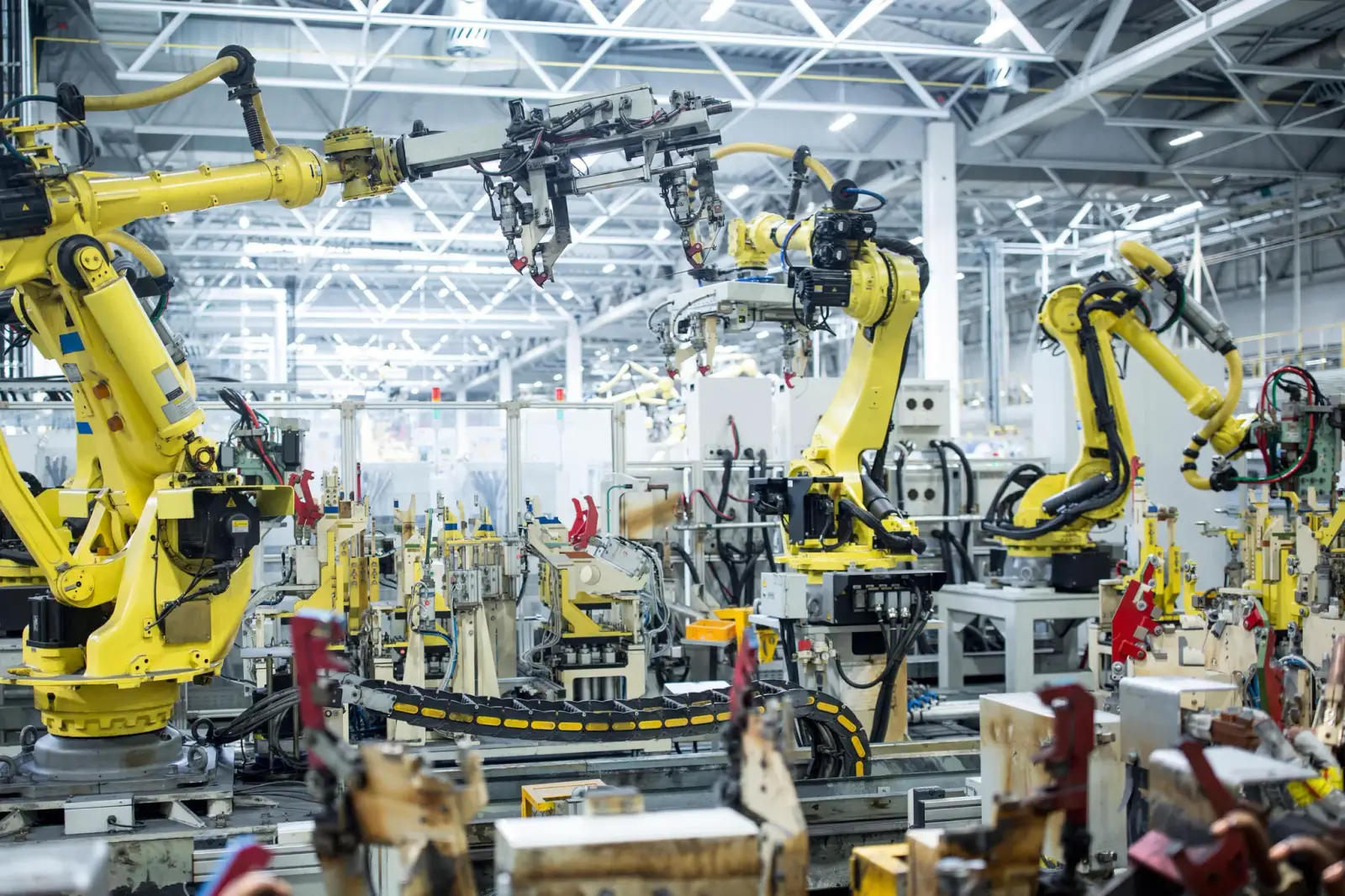
Ardent Capital Group arranges commercial mortgages for food production facility operators across Australia. Our team can help you move from tenant to owner, with clear lending advice on structure and strategy.
- Finance arranged from $50,000 to $30,000,000+, including complex owner-occupier structures.
- Over $2B in funding facilitated across the last decade for more than 1,000 borrowers.
- National coverage across Sydney, Melbourne, Brisbane, Perth, Adelaide, Canberra, Hobart and surrounding regional towns.
- Deep experience with HACCP-compliant fit-outs, cold storage, washdown facilities, trade waste systems and high-load electrical upgrades.
Owning vs leasing your food production facility
Food-grade fit-outs are expensive and sticky. Epoxy floors, falls to drain, stainless kerbing, washdown linings, grease traps, trade waste systems, walk-in freezers, blast chillers, refrigeration racks, three-phase distribution, gas reticulation and air handling are sunk costs you seldom recover if you move. Location also ties to logistics, staff, supplier access and delivery windows. Repayments build equity in an owned asset, while rent compounds for your landlord. Many lenders view essential food production as resilient through cycles, which supports funding appetite and terms for owner-occupiers.
The main drivers for ownership are consistent across the sector:
- Fit-out value retained, preserving the food-grade improvements you have already paid for.
- Control of layout and power for line changes, capacity increases and HACCP workflow, without landlord constraints.
- Logistics and labour stability, with proximity to distributors, cold-chain routes and your trained workforce.
- Repayments that build equity on your own balance sheet, with rent set at a commercial rate to your trading entity.
Buying does not suit every operator. If your lease horizon is short and relocation is planned, if zoning or size needs will change with a new contract, or if capital is better deployed into new lines, packaging automation or inventory to win shelf space, remaining a tenant can be sensible. The decision sits with you. A specialist broker who knows food-grade sites matters here, which is the focus of our food production property loan desk.
What a food production facility commercial mortgage looks like
- Deposit and LVR. Food production premises are standard industrial security, so an owner-occupier purchase gears up to around 80 per cent, meaning a deposit from about 20 per cent. The major banks publish no owner-occupier commercial LVR at all, which is a large part of why the right lender is worth finding. Where a borrower brings additional security, such as equity in another property, total funding can reach 100 per cent.
- Loan term and structure. Terms commonly run 15 to 25 years, and up to 25 to 30 years with some non-bank lenders. Structures can be principal and interest for faster equity build, or interest only for a defined period to prioritise cash flow during commissioning or a production ramp.
- Security and serviceability. The property is the primary security. Lenders assess business financials, add-backs, normalised margins, energy costs and the resilience of your customer contracts. Directors' guarantees are common.
- Owner-occupier treatment. Lenders generally favour owner-occupier purchases for their lower vacancy risk and stickier occupation, particularly for food-grade sites with specialised improvements.
Common ways to hold the property
Many food production operators hold the freehold in a separate entity, such as a company or trust, and lease it back to the trading business at a commercial rent. A lender then reads the inter-entity rent as part of the serviceability line, aligns the debt with the asset, and separates tenant risk from operations. This also gives clearer reporting on property returns.
Some operators buy the premises through a self-managed super fund. Commercial premises usually qualify as business real property, so an SMSF can hold the facility and lease it to your trading company at market rent. The finance sits inside a limited recourse borrowing arrangement with a bare (custodian) trust, and it carries its own borrowing limits, liquidity management and documentation rules. Ardent arranges and structures the finance to fit the ownership you use, while your accountant, and a licensed SMSF adviser for any fund purchase, confirms the tax and compliance detail before you commit.
How your application is assessed
- Business financials and quality of earnings, including margins by product line, energy intensity, and normalised costs after commissioning.
- Serviceability, with a focus on contract tenor with retailers or distributors, seasonality, and headroom under rate movements.
- The property and valuation, including food-grade fit-out, drainage, trade waste, ceiling heights, floor load, power capacity, refrigeration, loading docks and truck access.
- Deposit and equity position, including cash, vendor terms, or equity in other property.
- Lease and occupancy, if you plan to sub-lease a portion or retain tenants in a multi-unit industrial site.
A specialist broker who understands food production facilities can translate these details for lender credit teams and put the file in front of the lenders that suit it.
How this might look in practice
This is an illustrative scenario that shows the kind of situation we can assist with, and how the thinking might run.
- Profile. A Sydney ready-meals producer renting a 2,000 square metre plant in Smithfield. Annual rent $220,000 plus outgoings, with $1,200,000 already invested in epoxy floors, drainage, refrigeration and three-phase upgrades.
- Situation. The landlord indicates a sale at $4,200,000. The operator wants to keep the site to protect supermarket contracts and avoid refitting elsewhere.
- Options we would map. An owner-occupier loan against the facility geared up to around 80 per cent, or a higher total position by adding residential equity or a second security property.
- Structures we would talk through. Purchase via a property trust with a commercial lease to the trading company, or an SMSF purchase leased at market rate, comparing cash flow and asset protection with the client and their accountant.
- Funding mix. A property loan alongside equipment finance for a spiral freezer upgrade and a small working capital line for ingredient purchases.
- Repayments. Principal and interest over 20 years modelled to sit close to current rent, with interest only for 12 months during commissioning as a contingency.
- How we would approach it. We would map the ranges, structures and repayments, then present the file to the lenders that fit the profile. The figures above are illustrative, not confirmed outcomes, and depend on the client's profile and lender assessment upon settlement.
Finance types for food production facility owners
- Asset finance for food-grade equipment. Ovens, kettles, retorts, mixers, fillers, labellers, conveyors, CIP systems, forklifts, pallet wrappers, walk-in freezers and refrigeration equipment finance.
- Fit-out and refurbishment finance. Epoxy floors, falls to drain, stainless kerbs, washdown panel, grease traps, trade waste tanks, three-phase boards and HACCP re-layout.
- Working capital. We can arrange working capital for a food producer to cover ingredient buys, packaging runs and extended retailer terms without interrupting production.
- Business overdraft. A revolving buffer for energy bills, cold-chain freight spikes and shipping delays on inputs.
- Refinancing and debt consolidation. Replace stacked equipment contracts and short-term facilities with structured term debt tied to asset life.
- Construction and renovation. Build a greenfield food-grade facility, extend cool rooms, add docks, upgrade power or install solar to offset consumption.
- Business or premises acquisition finance. Buy a competitor's line, secure a strategic site next door, or complete a partner buyout tied to capacity needs.
Ownership, refinance and equipment lines interact. Owning the premises can free equity for plant upgrades, while consolidating debt can stabilise cash flow for production planning.
A broker who knows food production facility property
Ardent Capital Group specialises in commercial mortgages for food production facilities. We arrange and structure finance around how you plan to hold and occupy the property, aligning the loan with your production and cash flow priorities.
We service Sydney, Melbourne, Brisbane, Gold Coast, Perth, Adelaide, Canberra and regional centres. Our team has helped facilitate over $2B in funding over a decade for more than 1,000 borrowers. If you want clear, practical options for buying your facility, talk to us.
Your questions answered
What deposit do I need to buy a food production facility? As standard industrial security, food production premises gear up to around 80 per cent for a strong owner-occupier, so plan for a deposit from about 20 per cent.
Will the valuation recognise my food-grade fit-out? Valuers recognise permanent food-grade improvements such as drainage, epoxy floors, trade waste systems, refrigeration infrastructure and power upgrades as part of the building. Loose or free-standing equipment is financed separately as equipment rather than valued as real property.
Is an SMSF allowed to buy my factory and lease it to my business? Yes. Commercial premises usually qualify as business real property, and an SMSF can lease to your trading entity at market rent, subject to SMSF borrowing and documentation rules.
How do lenders view high energy use and refrigeration loads? Credit teams review historical bills, peak demand, continuity plans and any mitigation such as variable speed drives or solar, then test serviceability under rate and power cost movements.
Can I use equity in my home to reduce the cash deposit? Yes. You can leverage your equity in residential or other commercial property to support the deposit, subject to lender assessment.
Should I choose principal and interest or interest only? Principal and interest builds equity faster, while interest only for a period can preserve cash during a commissioning or capacity ramp. The right choice depends on your production plan and contract pipeline.

Written by
Nick Chong
Managing Director, M.AppFin, Dip. Mortgage Mgmt
Nick holds a Bachelor of Agricultural Economics, a Master of Applied Finance and an Advanced Diploma in Financial Planning. He founded Ardent Capital in 2016 after more than a decade in financial planning and mortgage broking. For the past ten years he has led a team of finance specialists, mortgage advisers, brokers and credit analysts, all working to secure optimal outcomes for clients and always acting in their best interests. The team brings both a qualitative and a quantitative approach to every deal.