

How Medical Office Owners Approach a Commercial Mortgage
Owning the suite your practice treats from is more within reach than many operators expect. Recognised medical and allied health professions can fund the premises on the property alone, with no home taken as extra security. At Ardent Capital Group we speak with medical owners about this kind of commercial purchase and structure the finance around the practice.
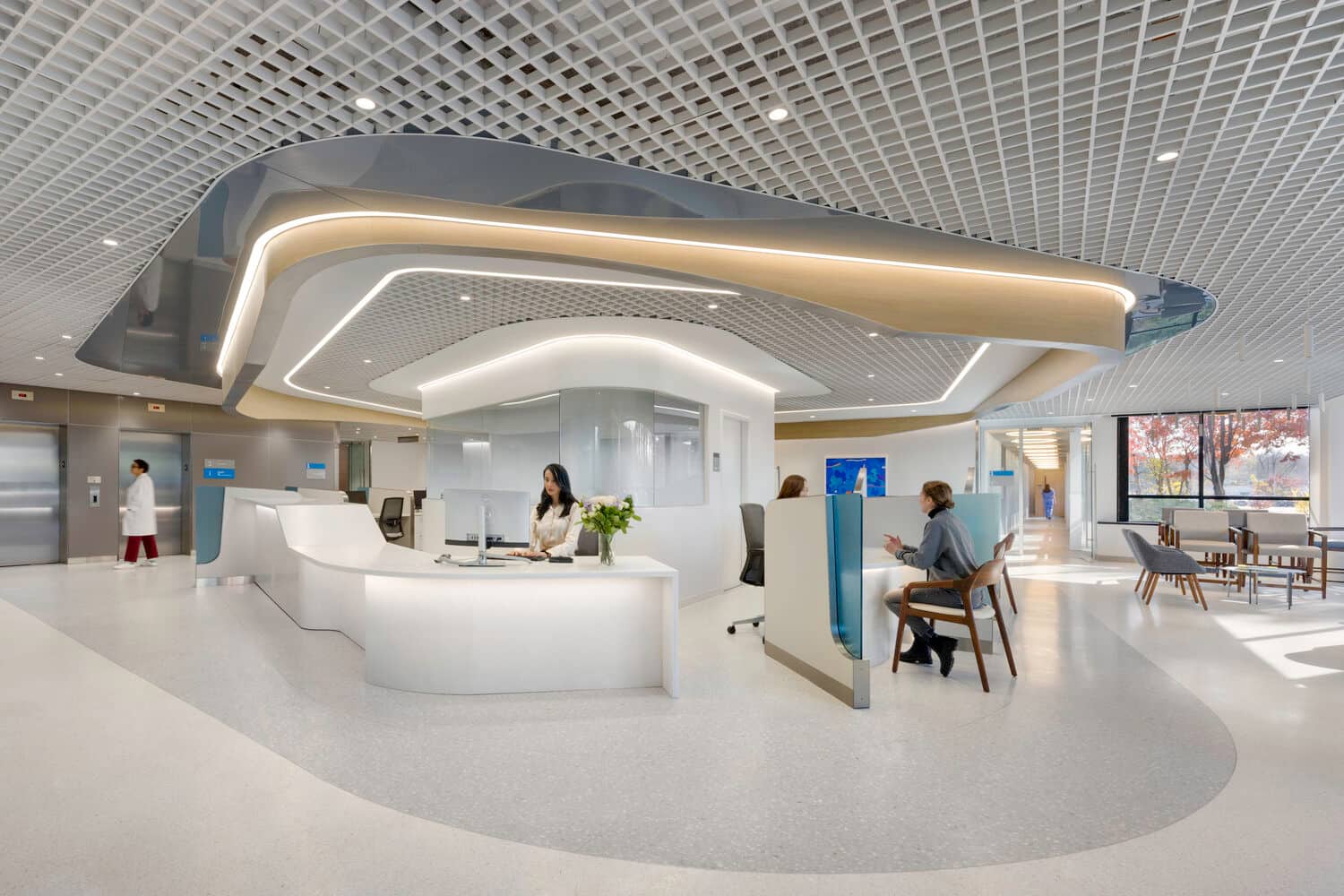
Ardent Capital Group is a specialist in commercial mortgages for medical office operators across Australia. Our team can help you move from tenant to owner, and give you clear lending advice on structure and strategy.
- Funding scope: We arrange commercial mortgages from $50,000 to $30,000,000+, matched to practice size and cash flow.
- Proven delivery: We have helped facilitate over $2B in funding across a decade for more than 1,000 borrowers.
- Sector focus: Medical, dental, allied health and day-surgery suites, including strata medical, standalone clinics and integrated precincts.
- National coverage: Sydney, Melbourne, Brisbane, Perth, Adelaide, Canberra, Hobart and surrounding regional towns.
Our brokers work the full lender panel for a medical office property loan, not a single bank.
Why medical office owners choose to buy
Medical space is expensive to fit out and highly specific. Consulting rooms, sterilisation bays, cabinetry, oxygen and suction lines, imaging radiation shielding, sound treatment, infection control finishes and compliant disability access are costs you will rarely recover from a landlord on exit. Ownership lets you amortise that spend over a longer horizon and capture the value improvement in the real property.
Location anchors your patient base. Proximity to hospitals, referral sources, schools and aged care, visibility, parking and public transport all shape attendance and revenue stability. Healthcare demand is resilient through cycles, so a well-selected medical suite can pair stable billings with a property that holds or improves its value. Repayments that would otherwise be rent build equity in a tangible asset.
Main drivers for medical office owners
- Control of fit-out life: Capital works, medical gases, imaging rooms and IT backbone are installed once and held for the long term.
- Patient continuity and referrals: Staying in place preserves continuity of care and the referral pattern that supports revenue.
- Cost certainty: A known repayment path limits exposure to rent escalations and incentives that roll off.
- Equity creation: Each repayment builds ownership, allowing you to leverage your equity for future growth.
Buying may not suit if your lease horizon is short with a planned move, if the practice expects to relocate for a larger catchment, or if capital is better deployed into equipment, additional clinicians or marketing scale. The decision rests with you and your strategy.
How lenders approach a medical office purchase
- Deposit and LVR: Recognised medical and allied health professions can borrow up to 100 per cent of the purchase price on the practice property alone, stand-alone, with no additional security over your home, through specialist healthcare lenders. Where a lender assesses the premises as standard commercial, owner-occupiers gear up to 80 per cent, so plan for around a 20 per cent deposit from cash, equity in other property or a mix. LVR is measured against the lender's valuation, not the price you pay.
- Loan term and structure: Banks commonly run 10 to 15 years, while non-bank lenders extend to 25 to 30 years. Structures can be principal and interest for steady amortisation, or interest only for a period if cash flow prioritises clinician recruitment, equipment or marketing.
- Security and serviceability: The property is the primary security. Lenders assess business financials, billings stability, Medicare and private bill split, practitioner numbers, EBITDA, addbacks, and personal income where applicable. They will review the proposed lease if a related entity holds the title.
- Owner-occupier treatment: Lenders generally view owner-occupier medical purchases favourably due to essential service status, lower vacancy risk and fit-out stickiness that supports continued occupation. Where the practice already leases the suite, the rent it stops paying can be counted toward servicing the loan.
Nick and the Ardent Capital Group team draw on a financial planning background to map a repayment structure that fits your practice, then work alongside your accountant to confirm the tax and cash flow detail before you commit.
Ownership structures a lender sees
Many medical office operators already hold the freehold in a separate entity from the trading practice, so the specialised fit-out and the billings sit apart from the title. A lender then reads the inter-entity rent as the serviceability line and takes the property as security. How the finance is arranged tends to follow the ownership arrangement already in place, the number of clinicians with a stake, and whether super is involved. The arrangements a lender commonly sees for a medical suite:
- Landholding trust with a leaseback: A separate trust or company owns the suite and leases it to the trading practice at a documented market rent. The lease supports serviceability and ring-fences the property from clinical and trading risk, so clinicians can be admitted or exited at practice level without touching the property title.
- Holding and operating company split: A holding company owns the premises, the operating company runs the practice, and the lender takes the property as security while looking through to practice billings, clinician agreements and EBITDA for serviceability. Directors' guarantees are usually required.
- Unit or beneficiary ownership: Where several doctors co-own the building, a unit trust lets each hold units in proportion to their stake, so a partner can be bought in or bought out at unit level without refinancing the whole loan. A single-owner practice more often uses a discretionary trust.
- SMSF with a bare (custodian) trust: A self-managed super fund can acquire the suite as business real property and hold it through a bare or custodian trust under a limited recourse borrowing arrangement, leasing it to the practice at market rent. SMSF lending caps below a standard purchase, so the stand-alone owner-occupier product is not available inside super, and the fund needs a liquidity buffer; personal guarantees still apply.
Ardent structures the finance around the set-up you already run; your accountant confirms the tax, super and ownership detail before anything is locked in.
The lender's checklist
- Business financials: Two to three years of financial statements, BAS, tax returns, billings reports by practitioner and payer mix, plus current year management accounts.
- Serviceability: EBITDA and cash flow with addbacks, clinician agreements, drawings for principals, and sensitivity to payer changes such as bulk-billing ratios.
- Property and valuation: Zoning and permitted use for medical, on-title or exclusive car parks, disability access compliance, theatre or imaging room standards, HVAC and plumbing capacity, and strata by-laws that allow medical use.
- Deposit and equity: Verified cash, equity in residential or commercial property, and a clear plan to leverage your equity if appropriate, including any guarantor support.
- Lease and occupancy: If a related entity holds title, a market lease to the practice. If buying an investment medical suite, existing tenancy profile and weighted average lease expiry.
A specialist broker familiar with medical offices can position the file with banks and non-banks that actively support the sector and its fit-out and serviceability profiles.
One way this can play out
This is an illustrative scenario that shows the kind of situation we can assist with, and how the thinking might run.
- Situation: A three-GP clinic renting a 160 m2 strata medical suite wants to buy the neighbouring suite to combine into a 320 m2 clinic, add two rooms and a procedure space.
- Options weighed: Purchase as an owner-occupier in a trust with leaseback to the practice, purchase in an SMSF with an LRBA and leaseback at market rent, or acquire through a company with a plan to admit a future partner at practice level only.
- Deposit sources: As recognised GPs the owners could fund the purchase on the suite alone, or leverage the equity in the directors' home to widen lender choice, with vendor terms to stage the fit-out spend upon settlement.
- Likely lending: Full funding on the property alone from a specialist healthcare lender for the owner-occupied strata suite, or up to 80 per cent where a lender treats it as standard commercial, term 20 years, principal and interest, with an interest only period during the construction joinery phase.
- Paths considered:
- Trust hold with related-party lease, clear ring-fencing of the asset, straightforward bank appetite.
- SMSF hold with LRBA, long horizon benefits, tighter liquidity and contribution caps, fit-out partly funded outside the fund.
- Company hold to align with a future equity sale in the practice, lease drafted to set market rent and serviceability.
- How we would approach it: The owner would choose the path that matched their risk, cash flow and retirement plan. We would map the ranges, structures and repayments; the figures above are illustrative, not confirmed outcomes.
Funding options ACG arranges for medical practices
- Asset finance for medical equipment: Digital X-ray and OPG, ultrasound, dental chairs and delivery systems, autoclaves and sterilisers, ophthalmic OCT, physio and rehab equipment, servers and practice IT.
- Fit-out and refurbishment finance: Joinery, partitions, hygienic surfaces, suction and oxygen, lead-lined imaging rooms, reception and waiting area upgrades.
- Working capital loans: Short to medium term cash flow for adding clinicians, marketing new services, or bridging insurer remittance lags.
- Business overdraft: Revolving limit linked to daily billings that smooths Medicare, DVA and private fund timing.
- Refinancing and debt consolidation: Reshape multiple facilities into a single structure that improves cash flow and simplifies covenants.
- Construction and renovation: Ground-up small clinic builds, combining strata lots, or reconfiguring open offices into compliant medical rooms.
- Business or premises acquisition finance: Buy into a partnership, buy out a retiring principal, or acquire an additional suite in the same precinct.
Owning the premises can support future investment by creating equity that can be drawn, while a refinance can consolidate equipment and fit-out facilities into a clearer repayment path. Where the practice is upgrading its clinical kit, we can also arrange dedicated medical office equipment finance so the depreciating gear stays off the property security. When billings run ahead of insurer remittances, short-term cashflow finance for a medical office can smooth the gap without drawing on the property loan.
Talk to a medical office finance specialist
Ardent Capital Group structures medical office commercial mortgages around how you plan to hold the property and how your practice will occupy it. We place owner-occupiers and investors with banks and non-banks that understand medical fit-outs, billings and serviceability.
We service Sydney, Melbourne, Brisbane, Gold Coast, Perth, Adelaide, Canberra and surrounding metro and regional areas. Ardent Capital Group is a specialist in commercial mortgages and our team can help you today. We have helped facilitate over $2B in funding over a decade for over 1,000 borrowers. Talk to us about a plan that targets optimal financial outcomes without pressure.
Questions we're often asked
How much deposit do I need to buy a medical office suite?
Recognised medical and allied health professions can borrow on the practice property alone, with no additional security, so little or no cash deposit is needed. Where the premises is assessed as standard commercial, plan for around a 20 per cent deposit from cash or equity.
Can I finance a medical office suite on the property alone?
Yes. Specialist healthcare lenders fund recognised owner-occupier professions on the practice property alone, without taking your home as additional security. Inside an SMSF this stand-alone treatment is not available, as SMSF lending caps lower.
Will a lender count my fit-out toward the property value?
Built-in medical fit-out can support value where it is integral to the premises and marketable to other operators, subject to the valuer's approach and comparable sales.
Is an SMSF allowed to buy my practice premises and lease it back to me?
Commercial medical premises generally qualify as business real property, so an SMSF can hold the asset and lease it to your practice at market rent under documented terms, subject to super and lending rules.
Do lenders prefer owner-occupier or investment purchases for medical suites?
Owner-occupier purchases are often viewed favourably due to lower vacancy risk and sticky fit-outs, while investment purchases depend more on tenant quality and lease term.
How are billings and practitioner contracts assessed for serviceability?
Lenders look at EBITDA, billings by doctor or clinician, payer mix, contractor agreements, drawings, and the stability of your practitioner roster across at least two financial years.
What costs should I budget for beyond the purchase price?
Allow for stamp duty and legal fees, valuation and loan costs, strata approvals, compliance upgrades for disability access, and staged fit-out or equipment instalments aligned to your program.

Written by
Nick Chong
Managing Director, M.AppFin, Dip. Mortgage Mgmt
Nick holds a Bachelor of Agricultural Economics, a Master of Applied Finance and an Advanced Diploma in Financial Planning. He founded Ardent Capital in 2016 after more than a decade in financial planning and mortgage broking. For the past ten years he has led a team of finance specialists, mortgage advisers, brokers and credit analysts, all working to secure optimal outcomes for clients and always acting in their best interests. The team brings both a qualitative and a quantitative approach to every deal.