

Commercial Mortgages for a Nail and Beauty Salon, Explained
Moving your nail and beauty salon from a leased shopfront to premises you own is a rewarding step that puts your fit-out and client base on ground you control. At Ardent Capital Group we speak with salon owners about this kind of commercial property purchase regularly, and this guide walks through how a lender reads the deal.
Ardent Capital Group is a specialist in commercial mortgages for nail and beauty salon operators across Australia. We help owners move from tenant to owner, and give clear lending advice on structure and strategy.
- Funding capacity: finance from $50,000 to $30,000,000 and beyond.
- Proven volume: over $2B facilitated across a decade for more than 1,000 borrowers.
- Sector focus: structures suited to salons, including high fit-out sites, strata titles and shopping centre locations.
- National coverage: Sydney, Melbourne, Brisbane, Perth, Adelaide, Canberra, Hobart and surrounding regional towns.
Owning vs leasing your nail and beauty salon
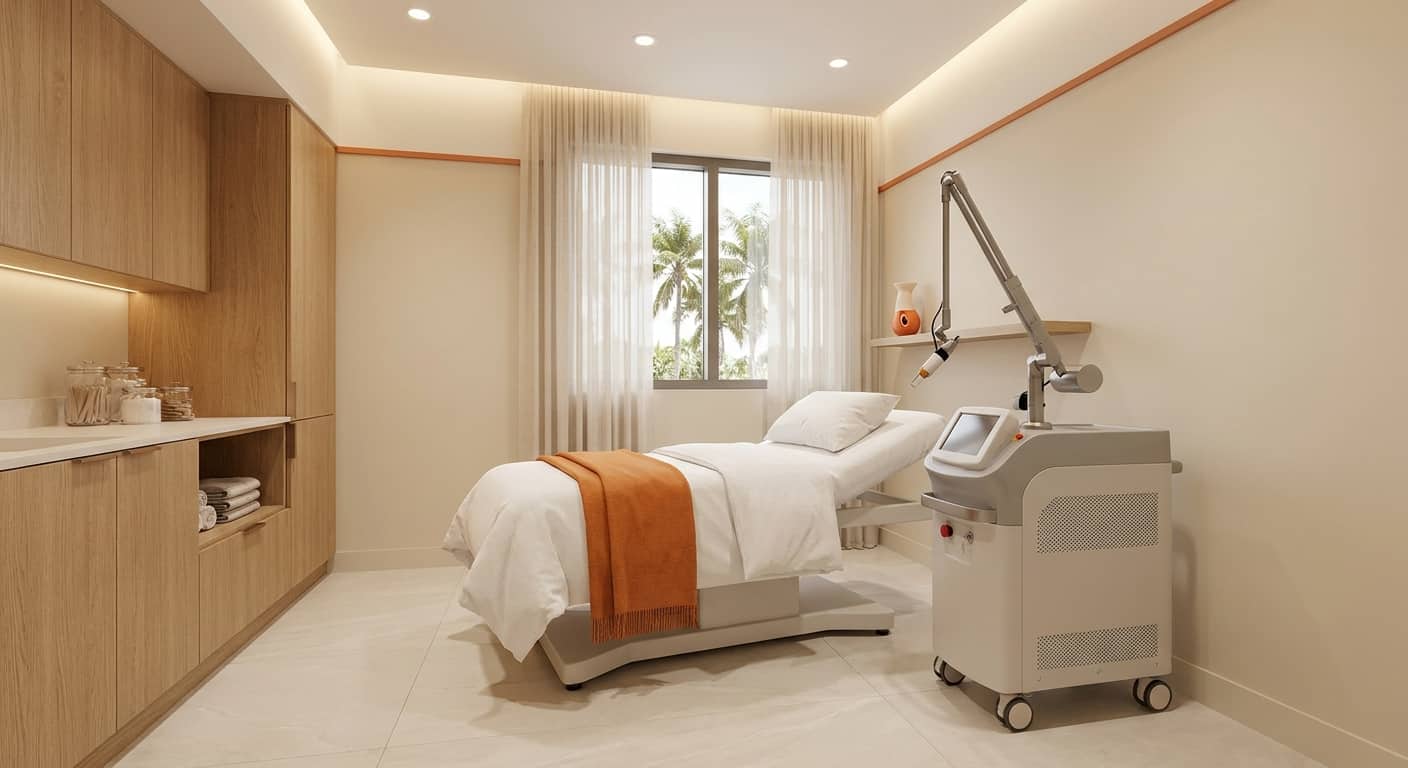
A salon fit-out is capital intensive and specific. Plumbing for multiple basins, pedicure chairs with drainage, extraction for acrylic and gel fumes, ventilation upgrades, dedicated power for laser, IPL and skin equipment, cabinetry, mirrors, lighting and acoustic treatment. Much of that investment stays with the property.
Location holds your revenue. Street frontage, foot traffic near retail strips, parking access, proximity to anchors like supermarkets and gyms, and local repeat clients make your client base address-specific. A move can affect rebooking rates and search rankings.
The sector is resilient. Recurring services drive repeat visits, and gift card peaks and calendar-event demand lift utilisation. Ownership sets your occupancy cost on a known path, your repayments build equity in a tangible asset, and you control refurbishment cadence and signage without rent reviews dictating timing.
Key drivers for buying:
- Control over occupancy: fewer rent shocks and no make-good disputes on your own building.
- Equity build: principal repayments convert outgoings into an owned asset that can support future growth.
- Fit-out protection: long-life improvements sit in property you own, not a landlord's balance sheet.
- Saleability and succession: a salon trading from an owned site can present a stronger exit profile.
Buying may not suit every situation. If your lease has a short tail with no option, a centre redevelopment is flagged, you intend to relocate suburbs to chase a different demographic, or your capital is better deployed in team growth, marketing or a second site, renting on may be the stronger call. The decision sits with you, and it is the focus of our salon property loan desk.
What a nail and beauty salon commercial mortgage looks like
- Deposit and LVR: owner-occupier loans against standard commercial security typically reach around 75% to 80% of the property value, so you plan for a 20% to 25% deposit. The major banks assess owner-occupier commercial case by case rather than publishing a set figure, which is one reason a broker helps. Funding up to 100% of the purchase price is possible only where you add security you already own, such as residential equity, not as a stand-alone product.
- Loan term and structure: non-bank lenders publish terms of 25 to 30 years, while the banks' commercial products commonly run 10 to 15. Repayments can be principal and interest for steady equity build, or interest only for a period to prioritise cash flow during a refurbishment or fit-out.
- Security and serviceability: the property is the primary security. Lenders review your business financials, BAS, merchant statements, bookings data, EBITDA and addbacks, then test serviceability at an assessed rate. Where relevant, additional security or a director guarantee may apply.
- Owner-occupier treatment: lenders generally favour an owner-occupied salon purchase, since a trading business paying commercial rent to occupy supports stability and reduces vacancy risk.
Common ways to hold the property
Many salon owners hold the premises in a separate entity, such as a company or trust, and lease it back to the trading business at a commercial rent. A lender then reads that inter-entity rent as the serviceability line, and the arrangement keeps operating risk separate from the asset. With a background in financial planning, Nick and the Ardent Capital Group team can map the finance around a structure like this, then work with your accountant for the final confirmation.
Some owners hold the property through a self-managed super fund. Commercial premises generally qualify as business real property, so an SMSF can acquire the building under a limited recourse borrowing arrangement and lease it to your salon at market rate, noting lower LVRs, liquidity rules and a heavier documentation load. Ardent arranges the finance around your set-up; your accountant and SMSF specialist confirm the tax, super and ownership detail before anything is locked in.
How your application is assessed
- Business financials: BAS, profit and loss, balance sheet, cash flow, ATO position and accountant notes.
- Serviceability: EBITDA, owner wages, addbacks, seasonality, merchant and booking system data, room utilisation and rent-a-chair income stability.
- The property: valuation, location metrics, parking, visibility, strata by-laws, centre rules and refurbishment provisions.
- Deposit and equity: cash on hand, proven savings, gifts, or the ability to leverage your equity in residential or other commercial property.
- Lease and occupancy: if the purchase involves existing tenants or a staged move-in, lenders review lease terms, WALE and make-good provisions.
A specialist broker who understands nail and beauty salons presents the fit-out profile, seasonality and location story in a way credit teams accept.
How this might look in practice
This is an illustrative scenario that shows the kind of situation we can assist with, and how the thinking might run.
- Situation: an inner-west Sydney salon, seven years trading, with two treatment rooms plus a four-seat nail bar. Rent is $8,500 per month net, with three years left and an option. The landlord offers the strata shop at $1,400,000. Recent fit-out cost $180,000. Cash reserves are $300,000, with residential equity of $200,000 available.
- Options we would map:
- Buy as an owner-occupier at around 75% to 80% LVR, with the deposit from cash plus a small equity release, moving to principal and interest after a six-month interest-only period during the refurbishment.
- Add residential property as security to lift the effective funding, then release that second security as the salon loan amortises and the valuation improves.
- Hold the property in a family trust and lease it back to the trading company at market rent, with fit-out ownership documented clearly.
- Review an SMSF path at a lower LVR, using rollover balances and a limited recourse borrowing arrangement, with rent paid at market rate.
- Stay renting and open a second satellite nail bar, preserving cash, while negotiating a pre-emptive purchase right with the landlord.
- How we would approach it: we would map the ranges, structures and repayments, likely landing on owner-occupier finance at around 75% to 80% LVR subject to valuation and serviceability, with scope to fund part of the refurbishment alongside the mortgage and the fit-out equipment financed separately to preserve cash. The figures above are illustrative, not confirmed outcomes, and the decision would stay with the owner.
Finance options suited to nail and beauty salons
- Asset finance for salon equipment: fund pedicure chairs, autoclaves, laser and IPL devices, microdermabrasion machines, extraction nail tables and POS hardware, matching repayments to income through salon equipment finance.
- Fit-out and refurbishment finance: cover plumbing for multiple basins, ventilation upgrades for acrylic services, partitions, electrical upgrades, signage and reception rebuilds without draining working capital.
- Working capital: smooth pre-Christmas peaks, event-season demand and supplier prepayments for gels, polishes, skincare and consumables with cashflow finance for a salon.
- Business overdraft: a day-to-day buffer for short booking lulls, staff leave overlap or centre outgoings spikes.
- Refinancing and debt consolidation: replace high-cost facilities, align terms, and free monthly cash flow for marketing and team development.
- Construction and renovation: finance a strip-out and full replan of rooms, fresh-air and extraction compliance, a facade upgrade and lighting to lift average spend.
- Business or premises acquisition finance: buy an additional site, purchase a competitor's client database, or acquire your current premises when a sale is tabled.
Owning the premises can free equity for equipment and expansion, and a refinance can consolidate facilities to keep cash flow predictable.
A broker who knows nail and beauty salon property
Ardent Capital Group arranges and structures commercial mortgages for nail and beauty salon owners. We align the facility with how you intend to hold and occupy the property, then negotiate terms that match the realities of salon trading.
We service Sydney, Melbourne, Brisbane, Gold Coast, Perth, Adelaide, Canberra and surrounding metro and regional areas, and have helped facilitate over $2B in funding across a decade for more than 1,000 borrowers.
This is the kind of purchase where the structure and the strategy matter as much as the rate. We give salon owners clear advice on both, so the finance supports the wealth you are building and the years ahead, not just this settlement. If you are weighing up a salon purchase, we would be glad to talk it through.
Your questions answered
How much deposit do I need to buy my salon premises? Most owner-occupiers plan for a 20% to 25% deposit at around 75% to 80% LVR, with the balance covered by cash, vendor terms or additional security you already hold.
Can my SMSF buy the salon property and lease it to my business? Commercial premises generally qualify as business real property, so an SMSF can hold it and lease back at market rent under a limited recourse borrowing arrangement, noting lower LVRs and liquidity and documentation requirements.
What parts of a salon fit-out can be financed? Plumbing and drainage for basins and pedicure spas, ventilation and extraction, electrical upgrades, partitions, cabinetry, flooring, mirrors, signage and reception, plus equipment such as laser or IPL devices and autoclaves via asset finance.
Do shopping centre locations change lender appetite? Lenders review centre rules, anchor strength, specialty retail risk, trading hours and outgoings, and they also weigh the benefit of consistent foot traffic, with owner-occupier use supporting the credit case.
How do lenders view rent-a-chair and contractor models? They look for stable chair or room occupancy, documented agreements, consistent merchant and booking data, and overall EBITDA and serviceability supported by BAS and bank statements.
Can I use my residential equity to reduce the cash deposit? Yes, additional residential security can lift the effective LVR or cover costs and fit-out, then be released as the commercial loan amortises and the valuation improves.
What if my lease has limited term left and the landlord is undecided on selling? You can negotiate an option, source an alternative site, or arrange finance readiness so you can move quickly if a sale is offered, while weighing the cost of staying against relocating.

Written by
Nick Chong
Managing Director, M.AppFin, Dip. Mortgage Mgmt
Nick holds a Bachelor of Agricultural Economics, a Master of Applied Finance and an Advanced Diploma in Financial Planning. He founded Ardent Capital in 2016 after more than a decade in financial planning and mortgage broking. For the past ten years he has led a team of finance specialists, mortgage advisers, brokers and credit analysts, all working to secure optimal outcomes for clients and always acting in their best interests. The team brings both a qualitative and a quantitative approach to every deal.