

Understanding Commercial Mortgages for an Orthodontist Practice
Buying the rooms your orthodontist practice already works from is a defining step, and one that turns years of rent into an owned asset aligned to your brand. At Ardent Capital Group we speak with practice owners about this kind of commercial property purchase, and this guide walks through how a lender reads an orthodontist practice and what moves the number.
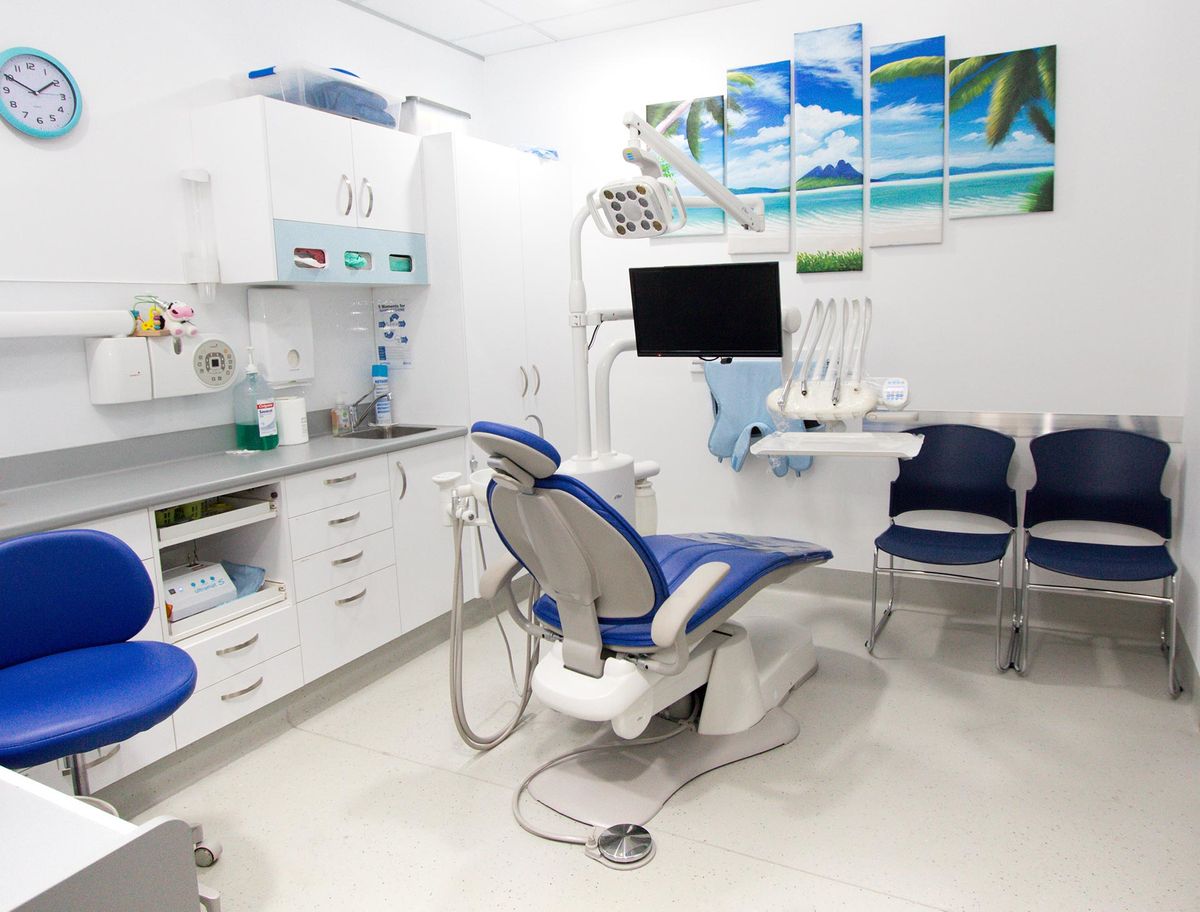
Ardent Capital Group is a specialist in commercial mortgages for orthodontist practice owners across Australia. Our team can help you move from tenant to owner, and give you clear lending advice on structure and strategy.
- Funding capacity: Access finance from $50,000 to $30,000,000+, sized to your rooms and growth plan.
- Track record: Over $2B in funding facilitated across the last decade.
- National reach: Sydney, Melbourne, Brisbane, Perth, Adelaide, Canberra, Hobart, Gold Coast and regional centres.
- Lender coverage: Major banks and specialist lenders with dedicated medical and dental credit policies.
Why buy rather than lease your orthodontist practice
Orthodontics ties patient relationships to a physical address through 12 to 24 month treatment cycles. Moving interrupts continuity and adds risk to active cases. Owning your rooms stabilises that anchor point and redirects rent into equity you keep.
Fit-outs are expensive and practice-specific. Chairs, delivery units, suction and compressor plant, CBCT and OPG radiography with shielding, intraoral scanners, sterilisation bays, lab benches, wiring for digital imaging and IT, and medical-grade cabinetry often sit between $350,000 and $900,000 per site. Owning the shell lets you capture that sunk cost and control refurbishment timing.
Location drives case acceptance and recall. Proximity to schools, family suburbs, parking and transport matters. Ownership secures parking ratios, signage rights and internal configuration that matches patient flow.
Dental and orthodontic revenues are resilient and diversified across private pay, health fund rebates and staged treatment plans. Repayments build an owned asset that can support retirement planning or the sale of the practice while you retain the property income.
Key drivers:
- Security of tenure: Lock in the address your patients already travel to and protect long treatment cycles.
- Control of fit-out value: Protect and amortise a high-spec clinical build without lease constraints.
- Cash flow discipline into equity: Convert rent into repayments that create a saleable property asset.
- Brand and patient experience: Set room layout, sterilisation flow and consult space without landlord limitations.
When buying may not suit:
- A short remaining lease with an intended relocation or a plan to open in a different catchment.
- Capital required for a second site, an associate buy-in, technology upgrades or marketing that will lift revenue faster than property equity.
- Uncertain list growth or a deliberate strategy to stay light on fixed assets. The decision rests with you.
The mechanics of an orthodontist practice mortgage
Deposit and LVR. Owner-occupier premises for an orthodontist practice typically gear to around 80 per cent, which points to a deposit near 20 per cent. Because orthodontists are a recognised specialist profession, some specialist healthcare lenders fund up to 100 per cent of the purchase price on the practice property alone, without taking your home as additional security. The deposit can come from cash, practice retained earnings or equity in another property.
Loan term and structure. Terms commonly run 15 to 25 years, with banks at the shorter end and non-banks longer. Structures include principal and interest for steady equity build, or interest only for 1 to 5 years where cash flow prioritises growth, new equipment or staffing.
Security and serviceability. The property is the primary security. Lenders assess practice financials, recurring treatment plan receipts, associate arrangements, BAS and tax returns, and personal income. Many lenders have specific medico settings that recognise stable collections and lower default rates in dental specialties.
Owner-occupier treatment. Owner-occupied medical suites are generally favoured. Lenders price keenly, may allow higher LVRs, and take comfort from continuity of trade and low vacancy risk for medical-grade premises. The rent the practice stops paying can also count toward servicing the loan.
Structuring the finance
Many orthodontist practice owners hold the premises in a separate entity from the trading practice. A trust or company acquires the freehold and leases it to the practice at a commercial rent; the rent is a deductible expense to the practice and income in the property entity, and a lender reads that inter-entity rent as part of the serviceability line. Your accountant confirms which entity and ownership split suits the practice before settlement.
SMSF note for professional rooms: commercial premises generally qualify as business real property, so an SMSF can hold the rooms under a limited recourse borrowing arrangement, with a bare trust as legal owner, and lease them back to the practice in writing at market rent. The arrangement funds this single asset, so equipment, fit-out and working capital are financed separately outside the fund, and the fund needs its own deposit. Specialist and non-bank lenders publish SMSF LVRs of around 65 to 80 per cent for standard commercial security such as a medical suite. Ardent arranges the lending itself; your accountant and an SMSF specialist confirm the tax, super and trust detail before contracts are signed.
How lenders size up the deal
- Financial performance: Two to three years of practice financials, BAS, tax returns, aged debtors and evidence of active treatment plans.
- Serviceability: Historic EBITDA, add-backs, patient payment plans, associate share arrangements and headroom for rate movements.
- Property and valuation: Zoning for medical or health consulting, strata or freehold quality, car parking, radiology shielding, suction and plant space, and valuation metrics for medical suites.
- Deposit and equity position: Cash, term deposits, equity in other property, or vendor terms where available.
- Lease and occupancy: If purchasing a tenanted asset, lease terms and options. For owner-occupiers, how the practice will occupy upon settlement and any make-good obligations.
A specialist broker with orthodontic sector experience connects these pieces, matches them to lender policy, and presents a clean credit case.
A scenario worth considering
This is an illustrative scenario that shows the kind of situation we can assist with, and how the thinking might run.
- Profile: Brisbane orthodontist with a 2-chair practice, 160 sqm leased rooms, 18 months left on lease, paying $12,000 per month including outgoings. Business EBITDA around $750,000. Home equity of $400,000.
- Target asset: 220 sqm strata medical suite nearby at $1,600,000 with partial dental fit-out and existing suction and compressor plant.
- Options mapped:
- Owner-occupier purchase in a family trust with corporate trustee, around 80 per cent LVR, deposit from a mix of cash and equity release, with rent set at market to service the debt.
- SMSF acquisition at 65 to 75 per cent LVR with the practice paying market rent to the fund, subject to contribution capacity and serviceability within the SMSF.
- Structures weighed: Principal and interest over 20 years for steady equity build versus an initial 3-year interest only period while adding a third chair and hiring an associate.
- How we would approach it: We would map the ranges, structures and repayments, model lending capacity between roughly $1,280,000 and $1,600,000 depending on structure, security mix and serviceability headroom, and set out the cash flow impact of each path. The owner could also use equity in the family home to reduce the cash deposit. The figures above are illustrative, not confirmed outcomes, and remain contingent on valuation, credit approval and final financials. The owner would decide the preferred path and timing.
Related finance for an orthodontist practice
- Asset finance for orthodontic equipment: Fund chairs, delivery systems, CBCT and OPG units, intraoral scanners, sterilisation equipment and IT with terms that match useful life; see orthodontic equipment finance.
- Fit-out and refurbishment finance: Cover cabinetry, plumbing, suction and compressor plant rooms, lead shielding, flooring and reception upgrades without draining working capital.
- Working capital: Smooth cash flow across school holidays, marketing campaigns and staged treatment receipts; explore working capital for an orthodontic practice.
- Business overdraft: Provide headroom for lab bills, supplier terms and payroll while cases progress.
- Refinancing and debt consolidation: Reset rates and terms, consolidate equipment rentals, and align repayments to seasonality.
- Construction and renovation: Ground-up builds or expansions to add chairs, sterilisation bays and imaging rooms, including progress drawdowns.
- Business or premises acquisition finance: Buying in or buying out a partner, or purchasing the freehold holding entity alongside goodwill.
These facilities interact. Owning the premises can free equity for equipment upgrades, while a refinance can consolidate multiple rentals into a clearer structure.
Specialist finance for orthodontist practice premises
ACG specialises in commercial mortgages for orthodontist practice owners. We arrange and structure finance around how you intend to hold and occupy the property, then work to secure terms that fit the practice cash flow and your ownership strategy.
We service Sydney, Melbourne, Brisbane, Gold Coast, Perth, Adelaide, Canberra and surrounding metro and regional areas. We have helped facilitate over $2B in funding across more than 1,000 borrowers over the last decade.
For the full picture on an orthodontist property loan, our brokers work the full lender panel, not a single bank. Talk to us about a clear, low-pressure path to optimal financial outcomes.
Frequently asked questions
How much deposit do I need to buy rooms for my orthodontist practice? Most lenders look for around a 20 per cent deposit for owner-occupied medical suites. Strong financials, additional security and medico policies can support LVRs toward 80 per cent or higher.
Do lenders recognise staged orthodontic treatment plans in serviceability? Yes. Recurring plan receipts, historical case starts, conversion rates and associate arrangements are part of the income assessment, alongside BAS and tax returns.
Can my SMSF buy the rooms and lease them to my practice? Commercial premises generally qualify as business real property, so an SMSF can hold them and lease back to your practice at market rent. Expect lower LVRs, stricter rules and specific loan structures.
Is it better to buy a medical-fitted suite or a standard office and refit it? A fitted suite can reduce capex and downtime if suction, power, plumbing and shielding align to your plan. A standard office may be cheaper upfront but often needs significant services and compliance works.
Will lenders fund the fit-out alongside the property purchase? Many will. Options include bundling capex into the commercial loan within LVR limits, or running a parallel equipment or fit-out facility matched to asset life.
What term should I choose for an owner-occupied medical suite? Terms of 15 to 25 years are common. Many owners start interest only while adding a chair or associate, then shift to principal and interest once the added capacity is producing.
Written by
Nick Chong
Managing Director, M.AppFin, Dip. Mortgage Mgmt
Nick holds a Bachelor of Agricultural Economics, a Master of Applied Finance and an Advanced Diploma in Financial Planning. He founded Ardent Capital in 2016 after more than a decade in financial planning and mortgage broking. For the past ten years he has led a team of finance specialists, mortgage advisers, brokers and credit analysts, all working to secure optimal outcomes for clients and always acting in their best interests. The team brings both a qualitative and a quantitative approach to every deal.