
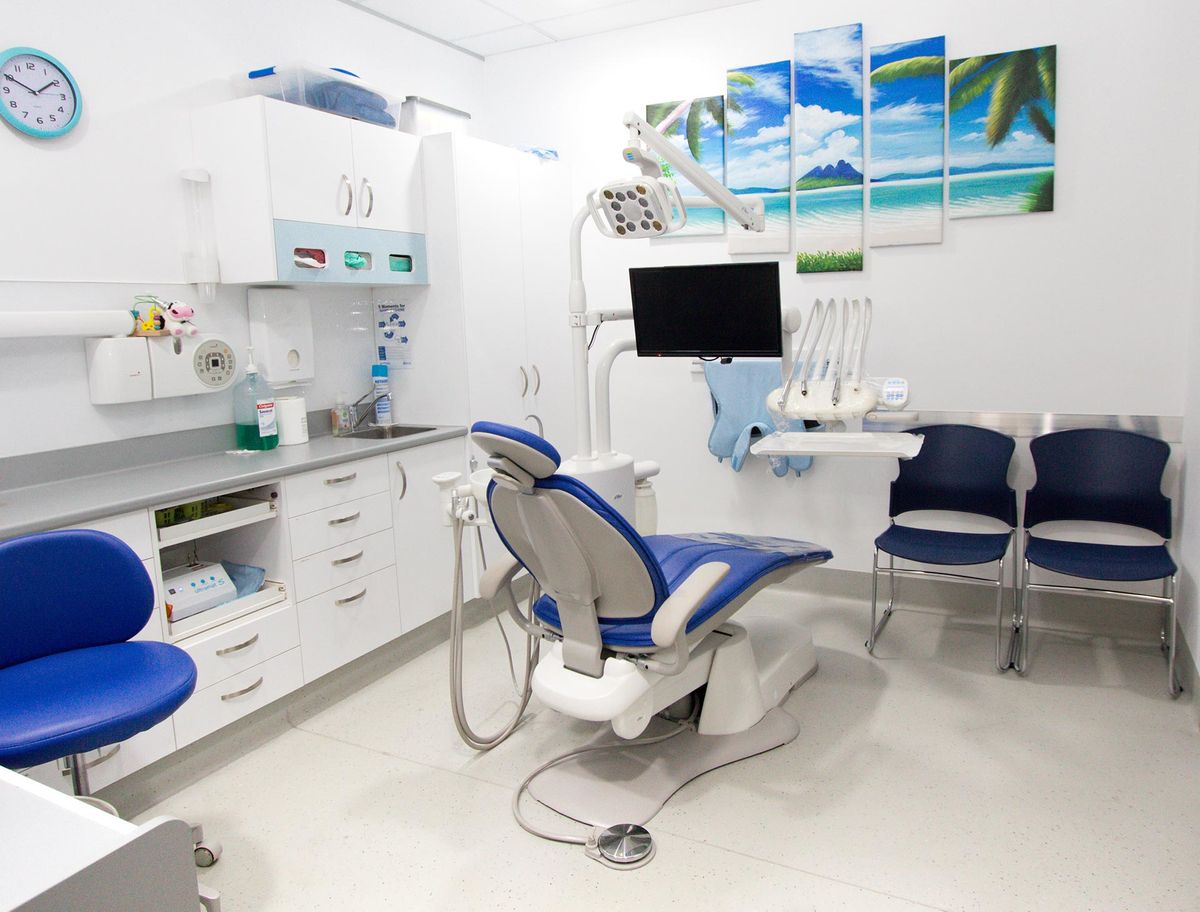
SMSF dental practice loans
Buying dental practice premises through your super fund
Thinking of buying your dental surgery through your SMSF?
A self-managed super fund can buy dental practice premises and lease them to the practice that operates from them. It can buy those premises on the open market, and it can buy them from a member who already owns them. Both are possible, both are governed by rules that are unforgiving of detail, and we arrange the finance for either.
We can help you:
- Arrange finance for a fund buying dental practice premises
- Arrange finance where the fund buys the surgery from a member who owns it
- Borrow up to 90% of the purchase price with no LMI on owner-occupied practice rooms through a specialist healthcare lender
- Arrange finance for consulting suites, standalone surgeries and strata practice lots
- Tell you which lenders take a dental surgery as SMSF security, and on what terms
- Present the fund, the holding trust and the lease in the form a credit team reads
- Work alongside your accountant, financial adviser, solicitor and SMSF auditor
- Refinance an existing SMSF loan on premises the fund already holds
- Fund the chairs, the fit-out and the practice itself separately, outside the fund
- Set out plainly what the borrowing cannot do before you commit to anything
Who we help:
- Business and practice owners buying the commercial premises their business works from
- SMSF members who already own their premises and want the super fund to buy them at market value
- Self-managed super funds with the deposit and the cash to leave in the fund after settlement
- SMSF trustees whose accountant, financial adviser and auditor are already involved
- First-time SMSF property buyers who want the limited recourse borrowing rules set out before they make an offer, and also need us to involve their accountant
- Practice owners financing equipment and fit-out outside the super fund, alongside an SMSF purchase
Speak to a specialist today
1,000+
loans settled
$2B+
funded
SMSF dental practice finance
The finance for a surgery your fund owns and your practice occupies
Two things decide whether one of these purchases works, and neither is the interest rate. The first is whether the premises are business real property, because from 10 August 2026 a new arrangement can only be used for property that is. The second is whether the paperwork exists in the right order before contracts are signed. We arrange the finance and tell you which lenders will write it, and we bring in the SMSF specialists and licensed advisers who set the fund side up.
Funding from $50K to $30M
across the banks and non-bank lenders that fund industrial assets











- ANZ
- Bankwest
- Bluestone
- Bank of Queensland
- Commonwealth Bank
- Firstmac
- ING
- Macquarie
- NAB
- Pepper Money
- Suncorp Bank
- Thinktank
SMSF dental practice finance specialists
A dental surgery is standard commercial security, and inside a fund it is one of the few assets a member can buy from themselves. The purchases we arrange finance for include:
- Freestanding surgeries bought by a fund and leased to the practice
- Strata consulting suites in a medical or dental building
- Premises a member already owns personally, sold to the fund at market value
- Surgeries bought with an existing tenant already in place
- Premises held by a fund whose members are the practice principals
The rule that makes this possible is narrow and specific: a fund may acquire business real property from a related party at market value, which no other class of property allows. Whether your premises meet that test is the first question, and it is answered before anything else.
Why businesses choose Ardent Capital Group as their broker
Execution and strategy
Strategy first, then execution. We structure your deal properly and take it to the lenders genuinely comfortable with it, so you are not chasing each one yourself.
Clear advice for smart lending
Straight answers on LVR, structure and timing, including when a purchase does not stack up.
A long-term partner
We stay with you well beyond settlement, with lasting relationships and ongoing support from the team.
Finance types
SMSF dental practice scenarios we can help finance
The two routes into one of these purchases are a sale from a member and a purchase on the open market. What follows is the same either way: a lease, a holding trust, and a borrowing that can do less than a normal loan. Below is how each part actually works.
Selling your surgery to your own fund
This is the rule that makes commercial property different. A self-managed super fund with no more than six members may acquire business real property from a related party, at market value. A dentist who owns the surgery in their own name can therefore sell it to their own fund. No other class of property allows it.
The price is not yours to set. It has to be market value, supported by an independent valuation an auditor can look at, and the premises are tested as business real property at the time the fund acquires them rather than at some point afterwards. Transfer duty generally applies to the sale. We arrange the finance and bring in the SMSF specialists and licensed advisers who set the fund side up.
- A fund with no more than six members may acquire business real property from a related party
- The price is market value, supported by an independent valuation rather than an agreed figure
- The premises are tested as business real property at the time the fund acquires them
- Transfer duty generally applies to the sale, and your solicitor confirms the position in your state
- The fund provides its own deposit, because cross-collateralisation is not available in super
- Your accountant, adviser and auditor confirm the fund side before anything is signed
Buying a surgery on the open market
The other route is a purchase from an unrelated vendor. The fund is the buyer, the property sits in a holding trust, and the premises are leased to a dental practice once settled. That practice can be yours, or it can be an unrelated one already operating there.
Business real property is about how the premises are used, not about who occupies them, so a surgery bought with a tenant in place still qualifies while it is used in a business. Which valuation basis applies changes what the fund can borrow: vacant possession where you will occupy it, or the passing rent where a tenant stays.
- Buy from an unrelated vendor, with the holding trust taking title at settlement
- Lease the premises to your own practice or to an unrelated dental practice already in them
- Qualify on use rather than on occupier, which is what business real property turns on
- Compare a vacant possession valuation against one based on the rent passing
- Borrow up to 90% of the purchase price with no LMI on owner-occupied practice rooms through a specialist healthcare lender
- Establish the deposit and the cash the fund holds after settlement before you bid
The lease back to your practice
The lease is where these arrangements are most often unpicked. It has to be in writing, on commercial terms, at market rent supported by an independent appraisal, and the rent has to actually be paid. Rent left unpaid or set below market can be treated as non-arm's length income.
The reason a fund may lease an asset to your own practice at all is that business real property leased to a related party is an exception to the in-house asset rules. Without that exception the surgery would count toward the fund's 5% in-house asset limit and the arrangement would not work.
- Put the lease in writing on commercial terms before settlement rather than afterwards
- Set the rent at market, supported by an independent appraisal an auditor can review
- Pay the rent in full and on time, because unpaid rent can become non-arm's length income
- Rely on the in-house asset exception that business real property leased to a related party attracts
- Watch the 5% in-house asset limit for the fund's other assets, which the exception does not cover
- Review the rent when the lease provides for it rather than leaving it where it started
What the borrowing can and cannot fund
The list is exhaustive and short. Borrowed money may be applied to acquiring the single property, to the costs of acquiring it, to the borrowing costs, and to repairs and maintenance. Applying it to an improvement breaks the borrowing exception the whole arrangement depends on.
The distinction people miss is that the prohibition attaches to the borrowed money, not to the improvement. The fund may improve the premises from its own other money. So a surgery can be extended or refitted while it sits under one of these arrangements, provided the borrowing is not what pays for it.
- Apply borrowed money to the purchase, its acquisition costs and its borrowing costs
- Fund repairs and maintenance from the borrowing, which the rules expressly permit
- Never apply borrowed money to an improvement, which breaks the borrowing exception
- Improve the premises from the fund's other money instead, which the rules do permit
- Plan on no top up, no redraw, no cash out and no equity release, at any valuation
- Finance the chairs, the fit-out and the practice itself separately, outside the fund
The holding trust and the order it happens in
The property is held in a separate holding trust until the loan is repaid, and the lender's recourse is limited to that one asset. Limited recourse describes the lender's claim on the property. It does not mean there are no guarantees: members are generally asked for them.
The trust has to exist before contracts are signed, and the order of execution is state based. Getting it the wrong way round, or signing in the wrong name, can make one purchase dutiable twice. It is a common reason one of these arrangements costs more than it should.
- Have the holding trust in existence before contracts are signed rather than after
- Execute the deed before the contract in Queensland and South Australia, and after it in New South Wales, Victoria, Tasmania and the ACT
- Sign the contract in the name of the holding trust trustee rather than the fund trustee
- Avoid the wrong order, which can make one purchase dutiable twice
- Expect to give personal guarantees, since limited recourse describes the claim on the asset
- Keep the lender's recourse confined to the single property in the holding trust
What a lender wants to see
A clinic is specialised security inside a fund, generally available between 65% and 75% of the lender's valuation. Practice premises are treated more favourably: a specialist healthcare lender will go to 90% of the purchase price with no LMI where the fund is buying the rooms the practice occupies.
Beyond the loan to value ratio, a lender is looking at what the fund holds after settlement, how it is administered, and whether the lease and the trust deed say what they need to say. The major banks exited SMSF lending between 2015 and 2019, so this is a specialist and non-bank market.
- Borrow between 65% and 75% of valuation, the band that applies to clinical premises
- Reach up to 90% of the purchase price with no LMI on owner-occupied practice rooms through a specialist healthcare lender
- Borrow up to 80% from a non-bank on loans from $100,000 to $10 million, with no liquidity or net asset requirement on the fund
- Leave cash in the fund after settlement, which most lenders want to see
- Expect a corporate trustee to be preferred where the fund borrows
- Read past any major bank column, because the majors are not a live SMSF channel
Our complete list of services
- SMSF dental practice premises finance
- Limited recourse borrowing arrangement finance
- Finance where a fund buys premises from a member
- Owner-occupied dental surgery finance inside super
- Strata consulting suite finance inside super
- Freestanding surgery finance inside super
- Tenanted dental premises finance inside super
- Refinancing an SMSF loan on premises the fund already holds
- Presenting the holding trust and the lease to a credit team
- Lender selection across specialist and non-bank SMSF lenders
- Finance for practice principals buying through their own funds
- Funds-to-complete and settlement planning for the fund
- Dental fit-out and equipment finance, arranged outside the fund
- Dental practice and goodwill finance, arranged outside the fund
- Working alongside your accountant, adviser, solicitor and auditor
- Commercial property finance for practices buying outside super
Our process
How it works
✓We understand your scenario
We talk through the property, your business and timeline, and any complexity in your structure.
✓We find the right lender
We match your scenario to the lender on our panel best suited to it.
✓You receive clear terms and guidance
We present indicative terms and explain what we recommend, and why.
✓We stay with you beyond settlement
We manage everything through to settlement, then stay in your corner well beyond it, with ongoing support from the team.
Lender features compared
How SMSF dental practice loans compare across lenders
| SMSF dental practice loan feature | Major banks | Non-bank lenders | Availability |
|---|---|---|---|
| Maximum LVR on practice rooms the fund occupies | Withdrawn from SMSF lending | Up to 90% with no LMI | Critical |
| Maximum LVR on standard commercial security | Withdrawn from SMSF lending | 65% to 75% | Standard |
| Loan size | Not applicable | $100,000 to $10 million | Standard |
| Liquidity or net asset requirement on the fund | Not applicable | Not applied by every lender | Popular |
| Purchase from a related party at market value | Not applicable | Accepted where the premises are business real property | Critical |
| Cash out, redraw or equity release | Not applicable | Not available | Critical |
| Cross-collateralisation with other fund assets | Not applicable | Not available | Critical |
| Personal guarantees from members | Not applicable | Generally required | Standard |
| Time from application to settlement | Not applicable | Four to six weeks, longer inside a fund | Standard |
*IMPORTANT: These are indicative figures only. Terms, LVRs and approval timeframes vary with borrower capacity, security type and individual lender criteria, and are subject to change. Figures are a general guide, not a quote or an offer of finance, and not a representation that finance is available on these terms.
Frequently asked questions
What makes Ardent Capital Group the right broker for you?
Ardent Capital Group brings the same method to every client: execution and strategy, clear advice for smart lending, and long-term growth. That means the right lender, structure and timing, straight advice so you borrow with confidence, and today's deal built toward where you want to be tomorrow. On an SMSF practice purchase that method earns its keep on sequence: whether the premises qualify, what the fund can actually borrow, and whether the trust and the lease exist in the right order before contracts are signed.
How much finance can you help me access?
We arrange commercial property finance from $50K up to $30M. Inside a fund the practical range is narrower: a non-bank commercial lender publishes up to 80% on loans from $100,000 to $10 million, and a specialist healthcare lender will go to 90% of the purchase price with no LMI where the fund is buying the rooms the practice occupies. What the fund can borrow is set by the valuation, the rent, and what the fund holds after settlement.
Can my fund buy the surgery I already own?
Yes, it is possible, and we arrange these. It is also one of the more intricate purchases in commercial finance, and the detail is what decides whether it works. A self-managed super fund with no more than six members may acquire business real property from a related party at market value, which is why this can be done with a surgery and cannot be done with a house. From 10 August 2026 a new arrangement can only be used for business real property, and premises used wholly in a dental practice generally qualify. The price has to be market value, supported by an independent valuation, and transfer duty generally applies to the sale. Cross-collateralisation is not available inside super, so the fund provides its own deposit and the 100% LVR structures available outside super do not apply here. Talk to our team. We arrange the finance, tell you which lenders will take a dental surgery as SMSF security and on what terms, and bring in the SMSF specialists and licensed advisers who set the fund side up.
Does my surgery actually qualify as business real property?
It qualifies where the land and buildings are used wholly and exclusively in one or more businesses. A surgery operating as a dental practice across the whole of the premises generally meets that test, and it does not matter whether the practice is yours or an unrelated one. The test is applied at the time the fund acquires the property, not later. Your accountant and the fund auditor confirm the position on your specific premises.
What if someone lives above the surgery, or part of it is residential?
That is the case that most often fails. Premises have to be used wholly and exclusively in a business, so a surgery on the ground floor with a flat above it on the same title generally does not qualify, and a new arrangement cannot be used to buy it. There is a narrow exception for a dwelling on land of no more than two hectares where the main use is not domestic, but it is built for primary production rather than for shop-top premises. Establish this before you make an offer rather than after.
What does market value mean when I am selling to my own fund?
It means the price is not a matter of agreement between you and your fund. The acquisition has to be at market value, and in practice that means an independent valuation the fund auditor can review. Setting the figure to suit the deposit, the borrowing or a tax position is what the requirement exists to prevent. Your adviser and the auditor confirm what is acceptable evidence.
Does my practice have to pay rent, and what if it does not?
Yes, and it has to be real. The lease is in writing, on commercial terms, at market rent supported by an independent appraisal, and the rent has to actually be paid. Rent set below market, or agreed and then not paid, can be treated as non-arm's length income. Lenders ask to see the lease before settlement, so it is prepared alongside the finance rather than after it.
Does the surgery count toward the 5% in-house asset limit?
No. Business real property leased to a related party is an exception to the in-house asset rules, which is the reason a fund can lease premises to your own practice at all. Without that exception the arrangement would not work. The 5% limit still applies to the fund's other in-house assets, and the exception does not extend to them.
Can the fund borrow to add chairs or refit the surgery?
Not from the borrowing, and this is the distinction most people miss. Borrowed money can be applied to acquiring the property, to the costs of acquiring it and to repairs and maintenance, but never to an improvement. Applying it to an improvement breaks the borrowing exception the arrangement depends on. The fund may still improve the premises using its own other money, so an extension or a refit is not ruled out. It is ruled out as a use of the loan. Chairs and fit-out are usually financed separately, outside the fund.
What can the borrowed money actually be used for?
Four things, and the list is exhaustive: acquiring the single property, the costs of acquiring it, the costs of the borrowing itself, and repairs and maintenance to that property. The arrangement funds one asset, so the practice, its goodwill and its equipment are financed separately and outside the fund.
Can I take money out later if the surgery has grown in value?
No. Inside a fund there is no top up, no redraw, no cash out and no equity release, at any valuation. A refinance is permitted, but it is confined to the same single property and to the balance outstanding plus accrued interest. The equity release available on a commercial property held outside super does not apply here, and a page describing it is describing a different structure.
Do I still give personal guarantees if the loan is limited recourse?
Generally yes, and the two are not in conflict. Limited recourse describes what the lender can come after if the loan is not repaid: the one property in the holding trust, and not the fund's other assets. It says nothing about guarantees, and lenders in this market usually ask members for them. Know it before you sign rather than at settlement.
When does the holding trust have to exist?
Before contracts are signed. The order of execution is state based: in Queensland and South Australia the deed is executed before the contract, and in New South Wales, Victoria, Tasmania and the ACT after it. The contract is signed in the name of the holding trust trustee rather than the fund trustee. Getting the order or the name wrong can make one purchase dutiable twice, so your solicitor sets the sequence before anything is exchanged.
What happens when I retire or sell the practice?
The fund can keep the premises and lease them to whoever operates the practice next. Business real property turns on how the premises are used rather than on who occupies them, so a surgery leased to an unrelated dental practice remains business real property. What changes is that the lease is no longer with a related party. The fund can also sell the premises. Which of those suits the fund is a question for your adviser rather than for us.
Can two dentists buy a surgery through their two funds?
It happens, and each fund is assessed on its own. A lender looks at each fund's balance, its members, its borrowing capacity and its share of the property separately, and each borrowing runs under its own arrangement. That makes the presentation more involved rather than the answer different. How the ownership is set up between you is a question for your accountant and solicitor.
Do you charge fees for arranging SMSF practice finance?
Most of the time, no. Where a purchase needs significant preparation or is unusually complex, and an SMSF purchase sometimes is, a small mandate fee may apply, and we will always tell you plainly before any work begins. Our SMSF medical and health premises page covers how a fund buys practice premises and what changes from one practice type to the next.
I have never done this before. Are you beginner friendly?
Yes. We explain what the fund can and cannot do, tell you which lenders write this and on what terms, and work to the timeline your accountant and solicitor set. We know this sounds complicated, and we can assist to make things clearer.
Commercial property finance specialists
Looking to buy your business premises? Whether you're buying your first commercial property or refinancing an existing one, we can get it sorted.






Contact Us
Takes 60 secondsYour funding needs
Tell us more about your requirements
The more you can tell us, the better we can understand your unique requirements. eg. property purchase price, address, any deadlines, any existing debt etc.
Who should we contact?
Our senior team will contact you within a few business hours.
Thanks, there.
Our team has received your enquiry. We'll be in touch within a few business hours.
All details are secure, encrypted, and confidential.