
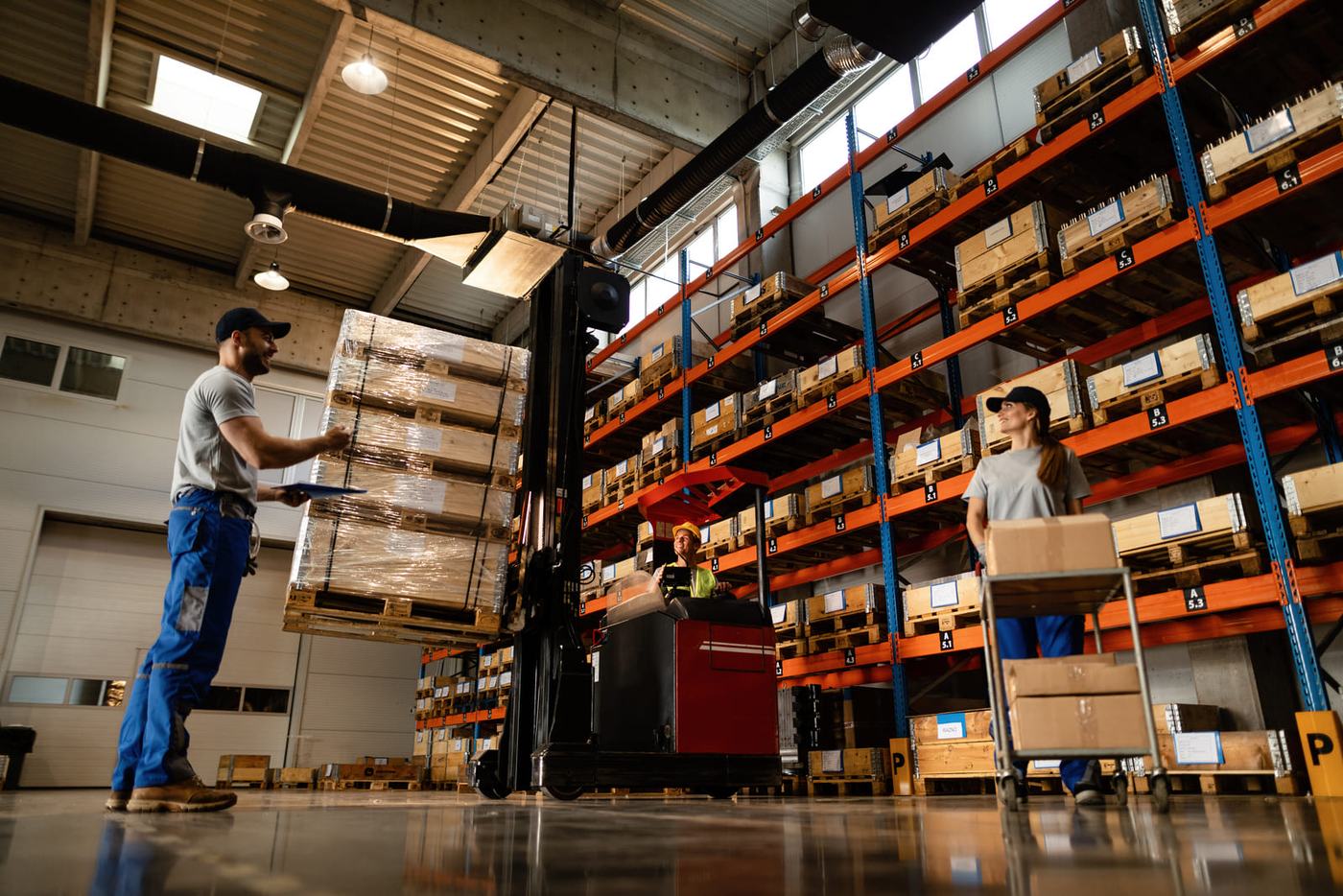
SMSF finance for industrial and logistics premises
SMSF mortgage brokers for industrial & logistics commercial property
Buying the warehouse your business operates from, through your fund?
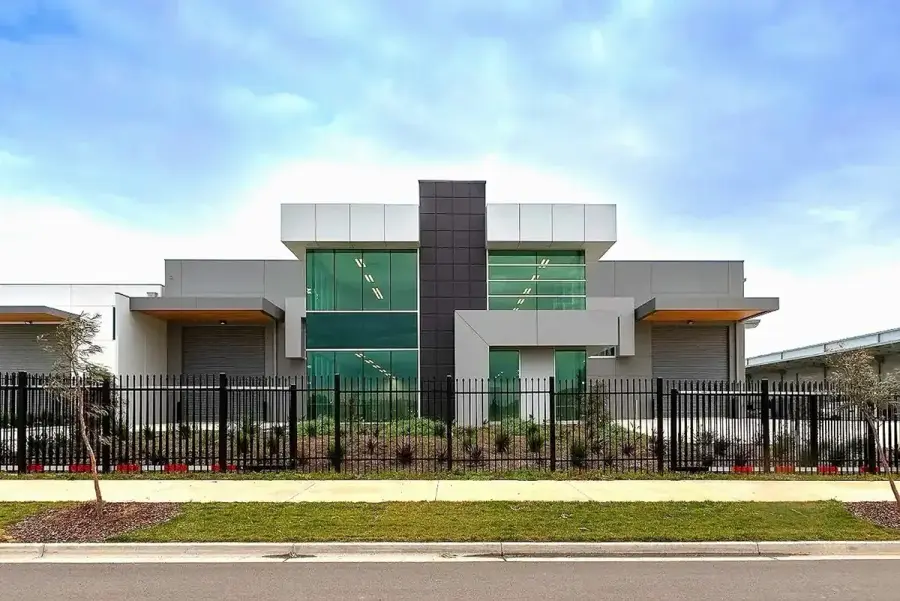
A self-managed super fund can buy the shed, unit or yard your business works from and lease it back to the company that operates it. Industrial is standard commercial security, so it gears at the top of the SMSF range. We arrange the finance and tell you which lenders will hold your premises.
We can help you:
- Arrange finance for a fund buying the premises your business operates from
- Arrange finance where the fund buys the premises from a member who owns them
- Borrow between 65% and 80% of the value on standard industrial security
- Present the land, the hardstand and the building together in the valuation
- Separate the racking, the plant and the vehicles from the property being bought
- Lease the premises back to the operating company in writing, at market rent
- Set out where an on-site residence puts a property outside business real property
- Confirm which lenders write sheds, depots and cold stores as SMSF security
- Work alongside your accountant, solicitor and fund auditor
- Arrange the purchase outside super where a fund is not the answer
Who we help:
- Business and practice owners buying the commercial premises their business works from
- SMSF members who already own their premises and want the super fund to buy them at market value
- Self-managed super funds with the deposit and the cash to leave in the fund after settlement
- SMSF trustees whose accountant, financial adviser and auditor are already involved
- First-time SMSF property buyers who want the limited recourse borrowing rules set out before they make an offer, and also need us to involve their accountant
- Practice owners financing equipment and fit-out outside the super fund, alongside an SMSF purchase


Speak to a specialist today
1,000+
loans settled
$2B+
funded
SMSF industrial and logistics premises
From warehouses to cold stores, we get you funded
The limited recourse borrowing arrangement is the same behind every one of these purchases. What changes is the property: how much of the value sits in the land rather than the building, what a valuer treats as fixed plant, and which lenders will take that kind of site as security inside a fund.
Funding from $50K to $30M
across the banks and non-bank lenders that fund industrial assets












- ANZ
- Bankwest
- Bluestone
- Bank of Queensland
- Commonwealth Bank
- Firstmac
- ING
- Macquarie
- NAB
- Pepper Money
- Suncorp Bank
- Thinktank
SMSF industrial and logistics finance specialists
A fund holds the shed or the yard, and the company working out of it pays rent under a written lease.
- Warehouses and distribution facilities the business works out of
- Transport depots where the hardstand and the yard carry the value
- Food production premises built around food-grade surfaces and drainage
- Self storage facilities priced on their occupancy and income
- Cold stores where the refrigeration plant is financed outside the fund
Industrial is standard commercial security and gears between 65% and 80% inside a fund. The racking, the refrigeration plant and the vehicles are financed outside it. What the fund buys is the land and the building, leased back to the operating company at market rent.
Why businesses choose Ardent Capital Group as their broker
Execution and strategy
Strategy first, then execution. We structure your deal properly and take it to the lenders genuinely comfortable with it, so you are not chasing each one yourself.
Clear advice for smart lending
Straight answers on LVR, structure and timing, including when a purchase does not stack up.
A long-term partner
We stay with you well beyond settlement, with lasting relationships and ongoing support from the team.
Finance types
SMSF industrial and logistics scenarios we can help finance
How much of the price sits in the land rather than the building swings widely across these sites, and on a yard or a depot the dirt is most of it.
Warehouses and light industrial units
The fund holds the shed and the business works out of it. A standalone warehouse is priced on clearance, floor and truck access; a smaller unit is usually a strata lot, and the estate by-laws come with it.
We can help you:
- Buy the shed or unit your business works from, or buy it from a member who owns it
- Borrow between 65% and 80% of the value, the level standard industrial gears to
- Present the clearance, the floor loading and the truck access in the valuation
- Assess a strata unit on the lot, its by-laws, the levies and the sinking fund balance
- Lease the premises back to the operating company in writing, at market rent that is paid
- Finance the racking, the tooling and the vehicles outside the fund
Transport depots and yards
On a depot the hardstand and the yard usually carry more value than the building on them. A valuer prices the sealed area, the access and the site size, and heavy vehicle access is part of what makes it work.
We can help you:
- Buy the depot your transport business operates from through the fund
- Present the hardstand, the yard and the site area as part of the property
- Confirm the zoning permits heavy vehicle access before the fund commits
- Separate the trucks, the trailers and the workshop equipment from the property
- Lease the depot back to the operating company in writing, at market rent
- Reach the lenders that will hold a yard-weighted site as SMSF security
Food production premises
Food-grade wall and floor surfaces, drainage and wash-down areas are built into the building, and a valuer prices them with it. The production line is not, and the food approvals stay with the company that operates there.
We can help you:
- Buy the premises your food business produces from through the fund
- Present the drainage, the wash-down areas and the food-grade surfaces as building
- Finance the production line and the packing equipment separately, outside the fund
- Confirm the food-safety approvals with your solicitor and the relevant authority
- Lease the premises back to the operating company in writing, at market rent
- Reach the lenders that write purpose-built food premises as SMSF security
Self storage facilities
A self storage facility is priced on its occupancy and the income the units produce, rather than on what a comparable shed sold for. That makes the rent roll part of what a lender assesses.
We can help you:
- Buy a self storage facility the fund leases to the company that runs it
- Present the occupancy, the unit mix and the income alongside the building
- Establish which structures are fixed to the land and which are demountable
- Borrow between 65% and 80% of the value on standard industrial security
- Separate the access control, the signage and the office fit-out from the property
- Reach the lenders that will hold a storage facility as SMSF security
Cold storage premises
On a cold store the refrigeration plant can be a large share of what you are paying for, and it is plant rather than building. A lender funds the shed through the fund and the plant separately, outside it.
We can help you:
- Buy the building and the land through the fund
- Finance the refrigeration plant and the racking separately, outside the fund
- Ask the valuer what has been counted as building and what as plant before you rely on the figure
- Confirm the power supply and the insulated panel are treated as part of the building
- Lease the premises back to the operating company in writing, at market rent
- Reach the lenders that write temperature-controlled premises as SMSF security
Factories and manufacturing sites
An older manufacturing site can carry a contamination history, and a lender resolves that before it lends. Floor loading, three-phase power and a gantry crane are the other things a valuer looks at.
We can help you:
- Buy the factory your business manufactures from through the fund
- Establish early whether the site needs an environmental report
- Present the floor loading, the power supply and the clearance as part of the building
- Confirm whether a gantry crane is fixed to the building or financed as plant
- Lease the factory back to the operating company in writing, at market rent
- Arrange the purchase outside super where the site will not work inside a fund
Our complete list of services
- SMSF finance for light industrial workshops and strata units
- SMSF finance for transport depots and yards
- SMSF finance for food production premises
- SMSF finance for self storage facilities
- SMSF finance for cold storage premises
- SMSF finance for factories and manufacturing sites
- SMSF finance for warehouses and distribution facilities
- Finance where a fund buys premises from a member who owns them
- Finance for a fund buying premises leased back to the operating company
- Finance for industrial premises bought as an investment rather than occupied
- Commercial property finance outside super where a fund is not the answer
- Refinance of an existing limited recourse loan on the same property
- Finance for the plant, racking and equipment held outside the fund
- Finance for vehicles and trailers held outside the fund
- Finance for a second site held outside the fund
Our process
How it works
✓We understand your scenario
We talk through the property, your business and timeline, and any complexity in your structure.
✓We find the right lender
We match your scenario to the lender on our panel best suited to it.
✓You receive clear terms and guidance
We present indicative terms and explain what we recommend, and why.
✓We stay with you beyond settlement
We manage everything through to settlement, then stay in your corner well beyond it, with ongoing support from the team.
Lender features compared
How SMSF lending compares across industrial and logistics premises
| SMSF industrial and logistics feature | Major banks | Non-bank lenders | Availability |
|---|---|---|---|
| Warehouse the fund leases to its operating company | Withdrawn from SMSF lending | 65% to 80% | Critical |
| Strata industrial unit in an estate | Not applicable | Assessed on the lot and the scheme | Popular |
| Yard-weighted depot or hardstand site | Not applicable | Assessed on land and site area | Standard |
| Self storage facility | Not applicable | Assessed on occupancy and income | Important |
| Purchase from a member at market value | Not applicable | Accepted where the premises qualify | Critical |
| Site with a residence lived in on the same title | Not applicable | Generally outside business real property | Critical |
| Refrigeration plant, racking, cranes and vehicles | Not applicable | Financed separately, outside the fund | Critical |
| Cross-collateralisation with other fund assets | Not applicable | Not available | Critical |
| Time from application to settlement | Not applicable | Four to six weeks, longer inside a fund | Standard |
*IMPORTANT: These are indicative figures only. Terms, LVRs and approval timeframes vary with borrower capacity, security type and individual lender criteria, and are subject to change. Figures are a general guide, not a quote or an offer of finance, and not a representation that finance is available on these terms.
Frequently asked questions
What makes Ardent Capital Group the right broker for you?
Ardent Capital Group brings the same method to every client: execution and strategy, clear advice for smart lending, and long-term growth. That means the right lender, structure and timing, straight advice so you borrow with confidence, and today's deal built toward where you want to be tomorrow. On industrial the borrowing rules are the same every time and the property is what changes: a distribution warehouse, a hardstand depot, a cold store and a self storage site are four different assets, and the lender list is different for each.
How much finance can you help me access?
We arrange commercial property finance from $50K up to $30M. Inside a fund, industrial is standard commercial security and generally gears between 65% and 80% of the value, so the fund provides the rest as its own deposit.
Can my fund buy the premises I already own?
Yes, it is possible, and we arrange these. It is also one of the more intricate purchases in commercial finance, and the detail is what decides whether it works. A self-managed super fund with no more than six members may acquire business real property from a related party at market value, so a business owner who holds the shed in their own name can sell it to their own fund. The price has to be market value supported by an independent valuation, and transfer duty generally applies. From 10 August 2026 a new arrangement can only be used for business real property. Cross-collateralisation is not available inside super, so the fund provides its own deposit and the 100% LVR structures available outside super do not apply here. Talk to our team. We arrange the finance, tell you which lenders will take your premises as SMSF security and on what terms, and bring in the SMSF specialists and licensed advisers who set the fund side up.
How do I know whether our premises qualify?
The test is whether the property is used wholly and exclusively in a business. A shed your company works from meets it. A caretaker's residence on the same title that someone lives in generally does not. Settle that before you offer. Your accountant and the fund auditor confirm the position, and we can tell you which lenders will take the property as SMSF security once they have.
Does the operating company have to pay rent to the fund?
Yes. The lease has to be in writing at market rent supported by an independent appraisal, and the rent has to actually be paid. Rent below market, or rent that is not paid, is non-arm's length income and is taxed at the top marginal rate. Your accountant sets the figure and a valuer supports it.
Can the fund borrow to extend the shed?
No. A limited recourse arrangement funds the acquisition of one asset and its repair and maintenance, not an improvement. An extension, a mezzanine or a new hardstand is an improvement, and the fund pays for it from its own other money rather than from borrowed money.
Is the plant and racking part of what the fund is buying?
No. The arrangement funds a single asset, so the fund buys the land and the building. Racking, refrigeration plant, cranes, forklifts and vehicles are financed separately, outside the fund. Ask the valuer what has been included in the property figure before you rely on it.
Our site has a contamination history. Does that stop a fund purchase?
Not automatically, but a lender will want it resolved before it lends, and on an older manufacturing site that usually means an environmental report. An environmental consultant does that work. Raise it early, because it sets the timeline rather than the price.
We are buying a strata industrial unit. What changes?
The lot is what the fund buys, so the by-laws, the levies, the sinking fund balance and the shared driveway come with it. A lender assesses the scheme as well as the unit, and a weak sinking fund shows up in that assessment. Your solicitor reviews the by-laws and the strata report.
There is a residence on the site. Where does that leave us?
If part of the site is lived in, the property is generally not used wholly and exclusively in the business, and a fund cannot acquire it under a new arrangement. Where the building is used in the business rather than lived in, the position can be different. Settle it with your accountant and the fund auditor, and we can arrange the purchase outside super where it will not work.
Do the major banks lend for this?
No. The major banks left SMSF lending some years ago, so these purchases are written by specialist and non-bank lenders. That shapes the rate, the fees and the paperwork, and it is why the lender list matters more on a fund purchase than on an ordinary one.
How long does one of these take?
Four to six weeks from application to settlement is realistic for a straightforward shed purchase, and longer inside a fund, where the trust deed, the holding trust and the fund auditor are all part of the approval. An environmental report adds to that. We give you a timeline for your specific property before you commit to a settlement date.
Do we need a corporate trustee?
Most lenders writing SMSF loans require a corporate trustee for the fund and a separate corporate trustee for the holding trust. Your accountant and solicitor set both up. We tell you what the lender you are going to needs before you start.
When does the holding trust have to exist?
Before contracts are signed, and the order is state based. In Queensland and South Australia the deed is executed before the contract; in New South Wales, Victoria, Tasmania and the ACT it follows. The contract is signed by the holding trust trustee rather than the fund trustee. Getting the order or the name wrong can mean duty twice, so your solicitor drives it.
What will you need from us?
Identification, the contract or property details, the fund's trust deed and recent financial statements, member balances, the business financials, and the draft lease. A strata unit adds the strata report. An older site adds any environmental report. A cold store adds the schedule of what is fixed to the building and what is not.
Do you charge fees for arranging SMSF industrial finance?
Most of the time, no. Where a purchase needs significant preparation or is unusually complex, and an SMSF purchase sometimes is, a small mandate fee may apply, and we will always tell you plainly before any work begins.
What areas do you service?
Although we are based in Sydney, we service clients across all major Australian cities, including Melbourne, Perth, Brisbane, the Gold Coast, Adelaide, Canberra and Hobart, along with their surrounding regional areas. Wherever your premises are located, we can arrange your finance.
I have never bought premises through a fund before. Are you beginner friendly?
Yes. We explain what the fund can and cannot do, tell you which lenders write your property type and on what terms, and work to the timeline your accountant and solicitor set. We know this sounds complicated, and we can assist to make things clearer.
Commercial property finance specialists
Looking to buy your business premises? Whether you're buying your first commercial property or refinancing an existing one, we can get it sorted.




Contact Us
Takes 60 secondsYour funding needs
Tell us more about your requirements
The more you can tell us, the better we can understand your unique requirements. eg. property purchase price, address, any deadlines, any existing debt etc.
Who should we contact?
Our senior team will contact you within a few business hours.
Thanks, there.
Our team has received your enquiry. We'll be in touch within a few business hours.
All details are secure, encrypted, and confidential.