

How smart operators are using commercial property to future-proof their business
For logistics operators, trades businesses, and manufacturers across Australia, owning the premises your business runs from does something that leasing never can. It removes the single largest variable cost from your long-term operating equation and converts it into an appreciating asset on your balance sheet.
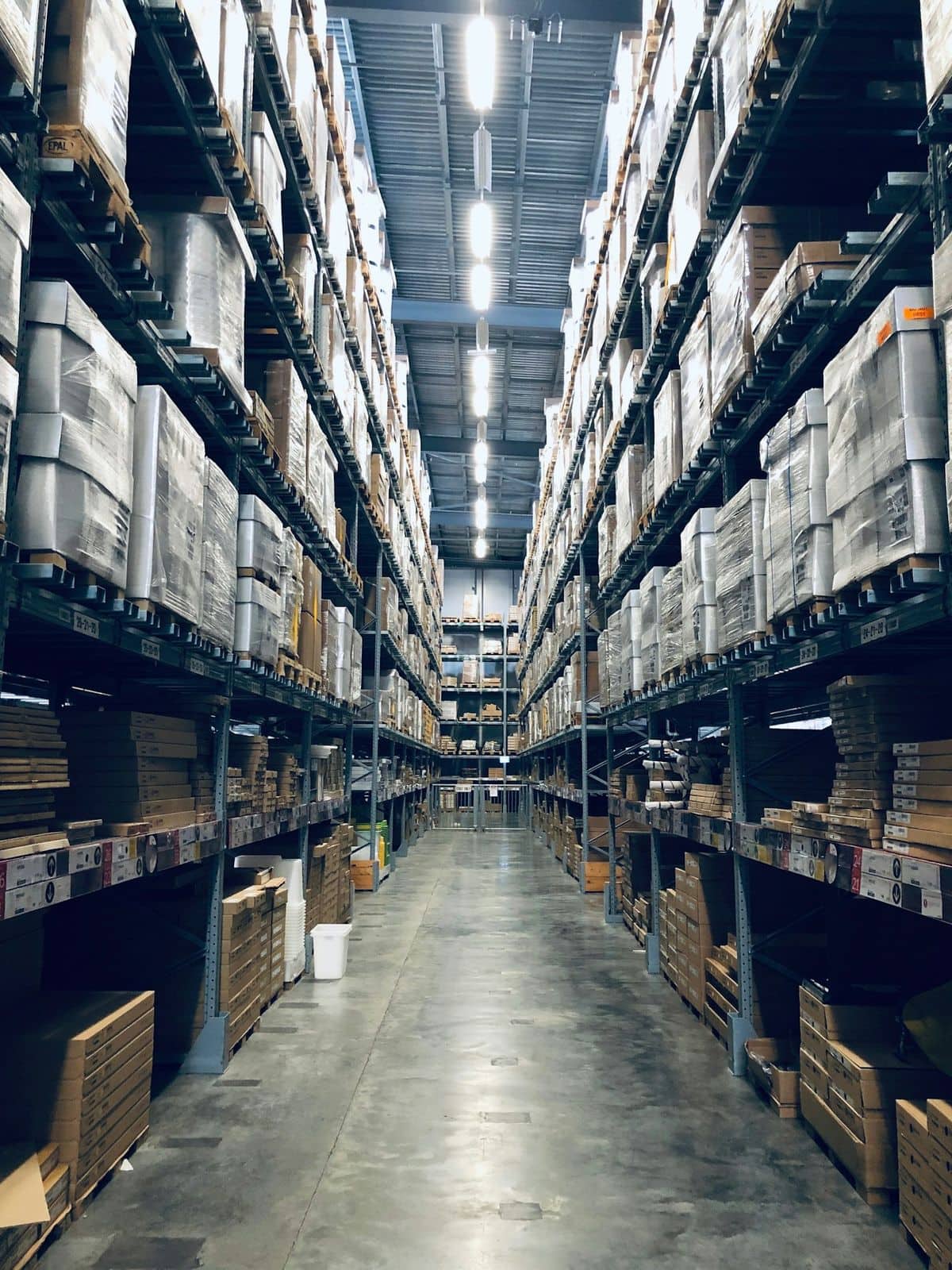
According to Ray White Commercial, industrial properties accounted for 39.6 percent of all Australian commercial real estate deals in 2024, the largest share of any asset class. Owner-occupiers were a consistent driver of that activity, particularly in the sub-$20 million segment. The data reflects what we see week to week in conversations with business owners: established operators are increasingly treating property as a business decision, not just a finance one.
What owning your premises actually changes
The financial case for ownership is well understood. Equity builds, occupancy costs stabilise, and the asset grows alongside the business. But the operational impact is equally significant and often underweighted in how business owners think about the decision.
Lease uncertainty affects business planning in ways that are difficult to quantify until you've experienced a renewal that didn't go your way. A landlord decision to sell, redevelop, or significantly increase rent at renewal creates operational disruption that goes well beyond the financial cost. For logistics businesses with specialised equipment, fit-outs, and established logistics flows, relocating is not a simple exercise.
Owning the premises eliminates that uncertainty. Your occupancy terms are set by your finance structure, not a landlord's commercial decision.
How logistics, trades, and manufacturing operators are structuring these deals
The finance structure for owner-occupier industrial purchases varies by business type, asset size, and available equity. Across the industrial businesses we work with, a few consistent patterns emerge.
Logistics and warehouse operators typically have strong, documentable cashflow from established client relationships and contracted revenue. Lenders respond well to this profile, and rent displacement calculations are straightforward where current lease terms are clearly documented.
Trade businesses operating from workshops or mixed-use industrial premises often have significant personal asset equity that can be brought into the deposit structure. The business financials, when presented well, demonstrate serviceability that many owners underestimate.
Manufacturing operators with specialist fit-outs face a more nuanced valuation process, as lenders assess the asset both with and without the fit-out. Choosing a lender whose panel valuer has direct experience with the relevant asset type is important in these cases. A specialist broker with an active industrial lending panel can identify the right fit from the outset.
In each case, the deposit requirement, typically between 20 and 30 percent of the purchase price plus costs, can often be met through a combination of cash reserves, equity in existing property, or both.
Conversation from the Desk
A Melbourne-based logistics operator had been leasing a 2,000sqm facility in the city's south-east for five years. His lease had two years remaining, and a recent conversation with his landlord suggested renewal terms would be materially higher. He came to us with a clear question: what would it take to purchase a comparable facility? When we mapped his position, his business financials were strong, his cashflow was well-documented, and he had equity across two assets that could contribute to the deposit without disrupting working capital. The conversation shifted quickly from whether it was feasible to what the right structure looked like and which part of the lender panel was best suited to his asset type and financial profile. The key insight for him was that his existing lease terms, documented and current, strengthened the rent displacement calculation considerably.
The balance sheet argument
For business owners who think about their business as an asset to be built and eventually sold, property ownership changes the exit equation.
When you own the premises, you have two distinct assets at the point of sale: the business itself, and the property it operates from. You can sell them together, maximising the total value for an incoming buyer who wants an integrated operation. Or you can sell the business and retain the property, leasing it to the incoming operator and converting what was your largest operating expense into a long-term income stream.
Many business owners who make this move find the retained property becomes the most significant financial outcome of their years in business. The business funded the asset. The asset outlasts the business.
Commercial property finance for industrial business owners
The finance strategy that works for a logistics operator in Western Sydney is not the same as the one that works for a trade business in Perth's outer north. Asset type, location, business profile, available equity, and lender appetite all interact differently in each case.
Ardent Capital Group specialises in commercial mortgage and finance for industrial, medical, and retail business owners across Australia. We work across the full spectrum of owner-occupier deals, from first purchases through to portfolio refinancing and equity release strategies. If you're thinking through what the structure could look like for your business, start with a conversation.

Written by
Nick Chong
Director & Founder, Ardent Capital Group
Nick Chong founded Ardent Capital Group to give business owners and investors direct access to commercial finance done properly. He works across purchase, refinance and equity release, structuring deals with the right lender for the situation rather than the first one to say yes. If you want a clear read on your borrowing position, that conversation starts with a call.