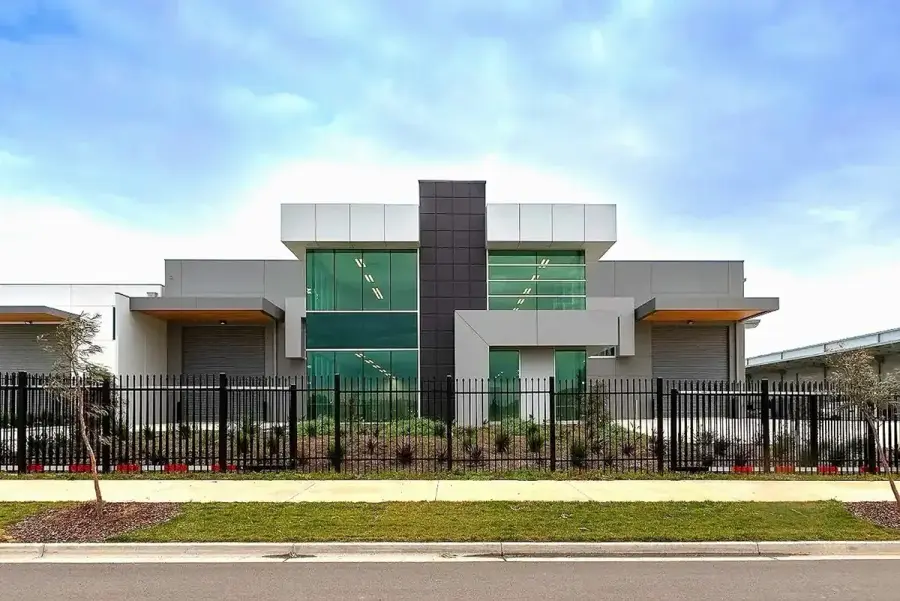


Refinance your function venue property loan
Refinancing a function venue you own
Looking to refinance your function venue?
Function venues build their trade slowly, through repeat bookings and reputation. The loan is usually the one written at purchase. A refinance sets it against a current valuation and the bookings the venue takes now.
We can help you:
- Refinance the function centre, reception or wedding venue you own
- Borrow 50% to 65% of the current value on a freehold going concern
- Present the forward book with a conversion rate behind it
- Have held deposits treated correctly as the liability they are
- Show average spend against the contracted minimum across several years
- Diversify the argument beyond weddings where corporate trade exists
- Release equity for a refurbishment or a ceremony space
- Refinance ahead of a term expiry or a scheduled annual review
- Refinance a venue freehold held in a self-managed super fund
- Model the break costs, valuation and legals before you commit to moving
Who we help:
- Established business owners who require finance between $50K to $30M
- Owners refinancing for the first time since settlement, who want each step set out plainly
- Time-sensitive refinances working to a term expiry, an annual review or the end of a fixed period
- Self-employed and trust-structured borrowers whose trading history since settlement is now the evidence
- Venue owners whose bookings have grown well past purchase levels
- Owners whose bookings now justify a bigger room than the loan assumed



Speak to a specialist today
1,000+
loans settled
$2B+
funded
Function venue refinance
Refinancing function centres and wedding venues
We work with function centre and wedding venue operators reviewing the finance behind a venue they already own. That covers a forward book presented as a total with nothing behind it, held deposits sitting in an account and counted as income, a trade concentrated in one kind of event, and a refurbishment that has to happen between seasons. We order the valuation, build the conversion evidence, run the comparison and stay with it through to drawdown.
Funding from $50K to $30M
from over 60 bank & non-bank lenders












- ANZ
- Bankwest
- Bluestone
- Bank of Queensland
- Commonwealth Bank
- Firstmac
- ING
- Macquarie
- NAB
- Pepper Money
- Suncorp Bank
- Thinktank
Function and wedding venue refinance specialists
Event venues are a specialist class and appetite varies more than almost anywhere. The refinances we can arrange include:
- Reception centres refinanced on a book with conversion history behind it
- Wedding venues where the grounds and setting carry much of the value
- Venues with on-site accommodation for guests
- Venues where the property and the events business sit in separate entities
- Venue freeholds held under a limited recourse borrowing arrangement
A function venue is specialised security valued on the trade it supports. A refinance is assessed on current bookings and a current valuation, so several years of bookings feed directly into what the venue is worth.
Why businesses choose Ardent Capital Group as their broker
Execution and strategy
Strategy first, then execution. We structure your deal properly and take it to the right lenders for your situation, so you are not enquiring lender by lender.
Clear advice for smart lending
Straight answers on LVR, structure and timing, including when a deal does not stack up.
A long-term partner
We stay with you well beyond settlement, with lasting relationships and ongoing support from the team.
Refinance types
Function venue refinance scenarios we can help finance
With a function venue the questions are usually the valuation, the booking income behind it, and whether a refurbishment is being planned.
Presenting the booking conversion rate
A forward book of dates and contracted minimums proves little on its own, because events move, downsize and occasionally cancel. Across several years you can show how many booked events ran, how many moved and what the average spend came to. We can help you:
- Treat a forward book on its own as a list of intentions rather than evidence
- Show how many booked events ran, moved date, or were lost, across several years
- Set the average spend achieved against the contracted minimum
- Give a lender a book it can discount, because an undiscounted one carries little weight
- Use conversion history that only exists once the venue has traded under you
- Compare across more than 40 lenders on structure and term, not on rate alone
Treating held deposits as a liability
Deposits taken against future events sit in the account and look like cash. They belong to the couples and companies whose events have not run, and the major banks treat them strictly as a liability rather than earned income. We can help you:
- Treat held deposits as an obligation until the event runs rather than earned income
- Read a large deposit balance as bookings held rather than cash in hand
- Expect the major banks to treat held deposits strictly as a liability
- Avoid counting them as income, which overstates serviceability and surfaces mid-assessment
- Separate held deposits from earned revenue and present both
- Set this out correctly at the start, which costs nothing and holds up under scrutiny
How a purpose-built venue is valued
A banquet kitchen, a ballroom and a room laid out for two hundred seated do not convert to another use, and valuers price that limited market in. A freehold going concern funds around 50% to 65%, with banks lower and non-banks at the top. We can help you:
- Borrow 50% to 65% of the current value on a freehold going concern
- Expect a purpose-built reception centre to have a limited alternative-use market
- Present the setting and grounds, which carry a large share of why the venue books
- State the setting explicitly rather than assuming a valuer weighs it
- Know that a venue let to an operator on a strong lease reads closer to an investment asset
- Evidence the purpose of the funds up front, because cash out is assessed on it
Broadening the event mix
Concentration is what a lender prices here. A venue doing weddings alone is concentrated twice, in one event type and in the weekends of a few months. Corporate, conference and training bookings fill weekdays, and community events spread the year. We can help you:
- Address the concentration a lender prices where the venue does weddings alone
- Account for weekend and seasonal weighting, which concentrates the trade a second time
- Use corporate, conference and training bookings to fill weekdays that earn nothing
- Break out non-wedding events rather than folding them into a total
- Widen the event mix, which moves the assessment more than most other changes
- Present a narrow book as what it is, because the alternative does not survive scrutiny
SMSF function venue premises refinance
Refinancing function venue premises held in a self-managed super fund is something we can assist with. Inside a fund the refinance is limited to the existing balance, so the equity release described above is not available. Our SMSF hospitality and accommodation page covers how a fund buys a venue freehold and leases it back to the company that runs it. We can help you:
- Move the existing balance to a new lender without increasing it
- Size the refinance to the balance outstanding, with no top up, cash out or redraw
- Reassign the holding trust to the incoming lender on the same single property
- Plan on the basis that the equity release above does not apply inside a fund
- Fund the deposit from the fund itself, since cross-collateralisation is not available in super
- Work alongside your accountant, financial adviser and solicitor
Timing a refurbishment around bookings
A venue cannot be refurbished around its bookings, because the diary was filled twelve or eighteen months ago. The work has to fit a window outside the season, and the servicing has to carry a quiet period with costs going out. We can help you:
- Fit the work around a diary set a year or more ahead
- Account for photographs from last season being part of why next season booked
- Size the release to finish before the first booking of the season
- Structure the servicing to carry a quiet period with costs going out
- Hold furniture, audio visual and kitchen equipment on their own terms
- Draw a progress facility against certified invoices where it is a build
A ceremony space or a second venue
Venues usually grow by adding a reason to book: an outdoor ceremony space, a marquee, a bridal suite or guest accommodation. Where growth calls for buying we arrange the purchase of a function or wedding venue alongside the refinance. We can help you:
- Add a ceremony space or accommodation that captures a whole event rather than part of one
- Lift average spend against the contracted minimums you already track
- Expect a second venue to be assessed on its own setting, book and seasonality
- Work that lifts average spend improves the next valuation and the next book
- Complete the work before a purchase rather than after it
- Sequence the release, the works and any purchase so nothing waits on the others
Our complete list of services
- Function centre and wedding venue property refinancing
- Forward booking book and conversion history presentation
- Held deposit and liability treatment in the file
- Freehold going concern venue refinance
- Venues let to an events operator on a lease
- Ceremony space, marquee and grounds funding
- Banquet kitchen and coolroom finance
- Audio visual, sound and lighting finance
- Furniture, table setting and styling finance
- SMSF function venue premises refinance
- Interest only and principal and interest restructures
- Refinancing ahead of a term expiry
- Portfolio refinancing across multiple venues
- Second venue acquisition finance
- Working capital across the gap between booking and event
- Debt consolidation across property and equipment lines
- Fund the business behind the property with function venue business loans
Our process
How it works
✓We understand your scenario
We talk through the property, your business and timeline, and any complexity in your structure.
✓We find the right lender
We match your deal to the lender on our panel best suited to it.
✓You receive clear terms and guidance
We present indicative terms and explain what we recommend, and why.
✓We stay with you beyond settlement
We manage everything through to settlement, then stay in your corner well beyond it, with ongoing support from the team.
Lender features compared
How function venue refinances compare across lenders
| Function venue refinance feature | Major banks | Non-bank lenders | Availability |
|---|---|---|---|
| Maximum LVR, freehold going concern | 50% to 60% | Up to 65% | Standard |
| Maximum LVR, leasehold going concern | Rarely funded | 40% to 50% | Specialised |
| Forward booking book treatment | Held deposits treated strictly as a liability | Contracted forward bookings given weight | Critical |
| Conversion history behind the book | Expected before any weight is given | Considered where evidenced | Critical |
| Owner-operated or let to an operator | Prefers a venue let on a strong lease | Comfortable with owner-operated venues | Varies |
| Event mix beyond weddings | Concentration priced | Concentration priced | Common |
| Trading history | Two to three years preferred | Shorter history considered | Critical |
| Interest only | Up to 5 years | Up to 5 years | Common |
| SMSF refinance | Withdrawn from SMSF lending | Available, generally 65% to 75% | — |
| Best suited for | Experienced operators holding an established venue freehold | Weddings-weighted, seasonal or shorter-history venues | — |
*IMPORTANT: These are indicative figures only. Terms, LVRs and approval timeframes vary with borrower capacity, security type and individual lender criteria, and are subject to change. Figures are a general guide, not a quote or an offer of finance, and not a representation that finance is available on these terms.
Frequently asked questions
Why work with Ardent Capital Group on your finance?
Ardent Capital Group brings the same method to every client: execution and strategy, clear advice for smart lending, and long-term growth. That means the right lender, structure and timing, straight advice so you borrow with confidence, and today's deal built toward where you want to be tomorrow. On a venue the forward book is the obvious thing to show and the least persuasive on its own. What makes it count is the conversion history behind it, which only a venue with years of trading can produce. We build that, treat the held deposits properly, and stay with the file past drawdown. Every figure is subject to serviceability, lender appetite and approval.
How much finance can you help me access?
We refinance commercial facilities from $50K up to $30M on the property side, with the kitchen, audio visual and furniture funded separately alongside it. The new limit follows a fresh trade-based valuation and current servicing, not what you originally borrowed.
Why use a broker for a venue refinance rather than going direct to my bank?
Because how a lender treats the forward book changes the answer more than the rate does, and a single bank shows you one treatment. Major banks hold deposits strictly as a liability and give the book little weight without history; non-banks give contracted forward bookings weight. We run the comparison across more than 40 lenders, work out which will read your book properly, and present to one at a time so your credit file does not collect an enquiry for every conversation.
What LVR can I get when I refinance a venue?
50% to 65% of the current value on a freehold going concern, with the banks generally at 50% to 60% and non-banks reaching 65%. A leasehold going concern is rarely funded by a bank and sits at 40% to 50% elsewhere. A purpose-built reception centre has a limited alternative-use market, which is priced into the figure.
How should I present the forward booking book?
With a conversion rate behind it, not as a gross total. Eighteen months of dates and contracted minimums proves very little on its own, because a credit team has no way to know how much of it will happen. What changes that is history: across several years, how many booked events ran, how many moved date and stayed, how many were lost, and what average spend came to against the contracted minimum. That lets the book be discounted sensibly, which is the difference between a lender giving it weight and giving it none.
Why do lenders treat our deposits as a liability?
Because that is what they are. Money taken against events that have not happened belongs to the people who paid it until the event runs, so a venue can be holding a substantial balance and be no better off for it. Major banks treat held deposits strictly as a liability. Treat them that way yourself going into a refinance, because an application that counts them as income produces a serviceability figure wrong in your favour, and that surfaces mid-assessment and costs credibility on everything else.
Our trade is almost entirely weddings. Does that hurt us?
It is the risk a lender prices on this asset, and it concentrates twice: in one type of event, and in the weekends of a few months. It is a good business and a narrow one, and presenting a narrow book as a diversified one does not survive a credit team that has seen a few. The stronger move is to show what else the venue does. Corporate functions, conferences and training fill weekdays that otherwise earn nothing, and christenings, milestone events and community bookings spread the year. Break that trade out rather than folding it into a total.
What actually drives the valuation?
The setting more than the building. A purpose-built reception centre converts poorly to any other use, so valuers price a limited alternative-use market into the figure, and the banquet kitchen and ballroom do not help the way a fit-out might elsewhere. What carries value is waterfront, a garden, a vineyard outlook or grounds people want photographs in, because that is a large part of why the venue books at all and a competitor cannot reproduce it. Make it explicit rather than assuming a valuer weighs it.
Can I refinance a venue freehold held in my SMSF?
Yes, it is possible, and we arrange these. It is also one of the more intricate refinances in commercial finance, and it is a natural fit on this asset because the property and the events business are so often already in separate entities. From 10 August 2026 a new arrangement can only be used for business real property, and a trading venue qualifies, but where there is a residence on the same title, which is common on a rural or garden venue, that generally does not qualify and is the question to settle first. It has to stay the same single property, and it is limited to the balance outstanding plus accrued interest, so there is no top up, no redraw and no cash out inside the fund. Borrowed money cannot fund an improvement either, so a refurbishment or a ceremony space comes from the resources of the fund. The holding trust is reassigned to the incoming lender rather than dissolved, which carries a legal cost worth weighing against the gain. The events business leases the venue back in writing, at market rent supported by an independent appraisal, and the rent has to actually be paid. Cross-collateralisation is not available inside super. Fund the deposit from the fund itself, since cross-collateralisation is not available in super, the major banks have exited SMSF lending, and lenders want a liquidity buffer left in the fund after settlement. We know this sounds complicated, and we can assist to make things clearer. Reach out to our team and we will guide you through the entire process. We structure the finance, tell you which lenders will take a venue as SMSF security and on what terms, and bring in the SMSF specialists and licensed advisers who set the fund side up. You will not be working it out on your own.
How do we fund a refurbishment when the venue is booked out?
By working backwards from the diary rather than from the money. The bookings were made twelve or eighteen months ago and cannot be moved, so the work has to fit a window that barely exists, and the people who booked chose the venue partly on photographs from last season. A release taken in autumn for work done in winter, sized to finish before the first booking of the season, is a very different proposition from one arranged once the carpet has given up. The servicing also has to carry a quiet period with costs going out, which is normal here rather than a problem.
Would adding a ceremony space help the file?
Usually, and it compounds. An outdoor ceremony space, a marquee, a bridal suite or accommodation for guests lets the venue capture a whole event rather than part of one, which lifts the average spend against the contracted minimums your conversion history already tracks. That improves the numbers both the next valuation and the next booking book rest on, so doing it before a second-venue purchase rather than after is generally worth more than the timing suggests.
My bank has said no. Is that the end of it?
Often not. On a venue a decline usually traces to one of two things: a forward book presented as a gross total with nothing behind it, so the lender gave it no weight at all, or held deposits counted as income, which undermines the rest of the file once it is noticed. Both are fixable before the file goes anywhere else, and non-bank lenders give contracted forward bookings weight where banks will not. We look at how it was assessed and why the answer was no, then place it where that reason is not the deciding one.
How long does a venue refinance take?
Around three to six weeks with a major bank and two to four weeks with a non-bank lender. A specialist valuation on an event venue takes longer to commission than a standard commercial one, assembling the conversion history adds time at the front end and saves it at the back, and SMSF refinances are longer again. We give you a realistic timeline at the start so you can plan the expiry date around it.
What documents will you need?
The existing loan statements, two to three years of financial statements and tax returns, the forward booking schedule with contracted minimums and dates, several years of conversion data showing events booked against events run and average spend achieved, the held deposit balance separated from earned revenue, a split of events by type, the liquor licence and its conditions, personal tax returns and notices of assessment for the guarantors, and a statement of assets and liabilities.
What will refinancing cost me, and how do I know it is worth it?
The costs are a valuation, legal and settlement fees, any lender establishment fee, discharge costs from your current lender, and break costs where you are leaving a fixed rate. A specialist venue valuation costs more than a standard commercial one. We put the real numbers against the benefit before you commit to anything.
Do you charge fees for your service?
Most of the time, no. Where the conversion history has to be assembled before the file can go to a lender, or the property and the events business are being restructured, a small mandate fee may apply, and we will always be upfront about this before any work begins.
What areas do you service?
Although we are based in Sydney, we service clients across all major Australian cities and the regions around them, including Melbourne, Perth, Brisbane, the Gold Coast, Adelaide, Canberra and Hobart. Many of the best venues are regional, and we finance them wherever they are.
What other finance can you assist with?
Beyond refinancing the venue, we also assist with asset finance and working capital. On asset finance, that covers banquet kitchens and coolrooms, audio visual, sound and lighting, furniture and table settings and marquee and outdoor structures. On working capital, we arrange business overdrafts and lines of credit sized to the gap between booking and event and to peak season staffing, and we can fold these into the refinance where it makes sense.