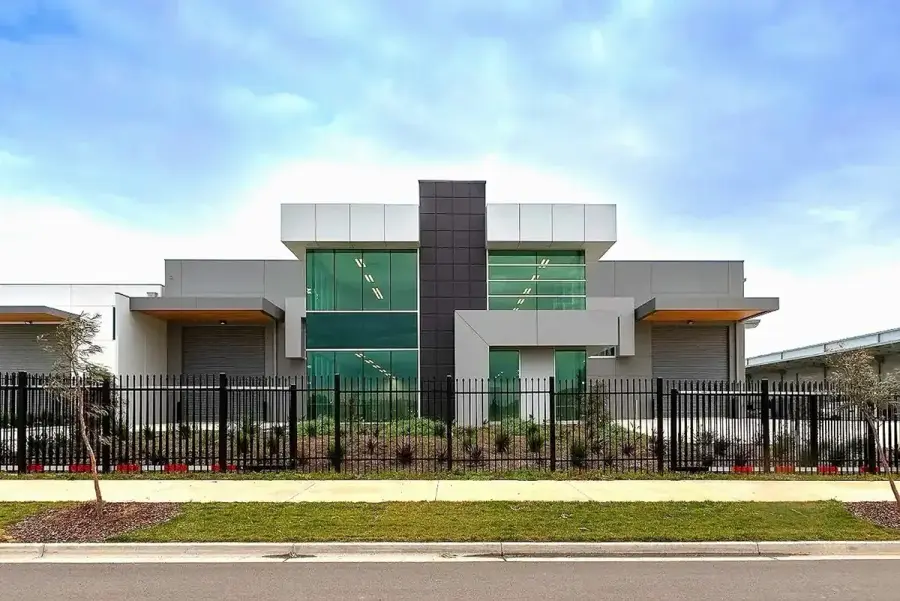

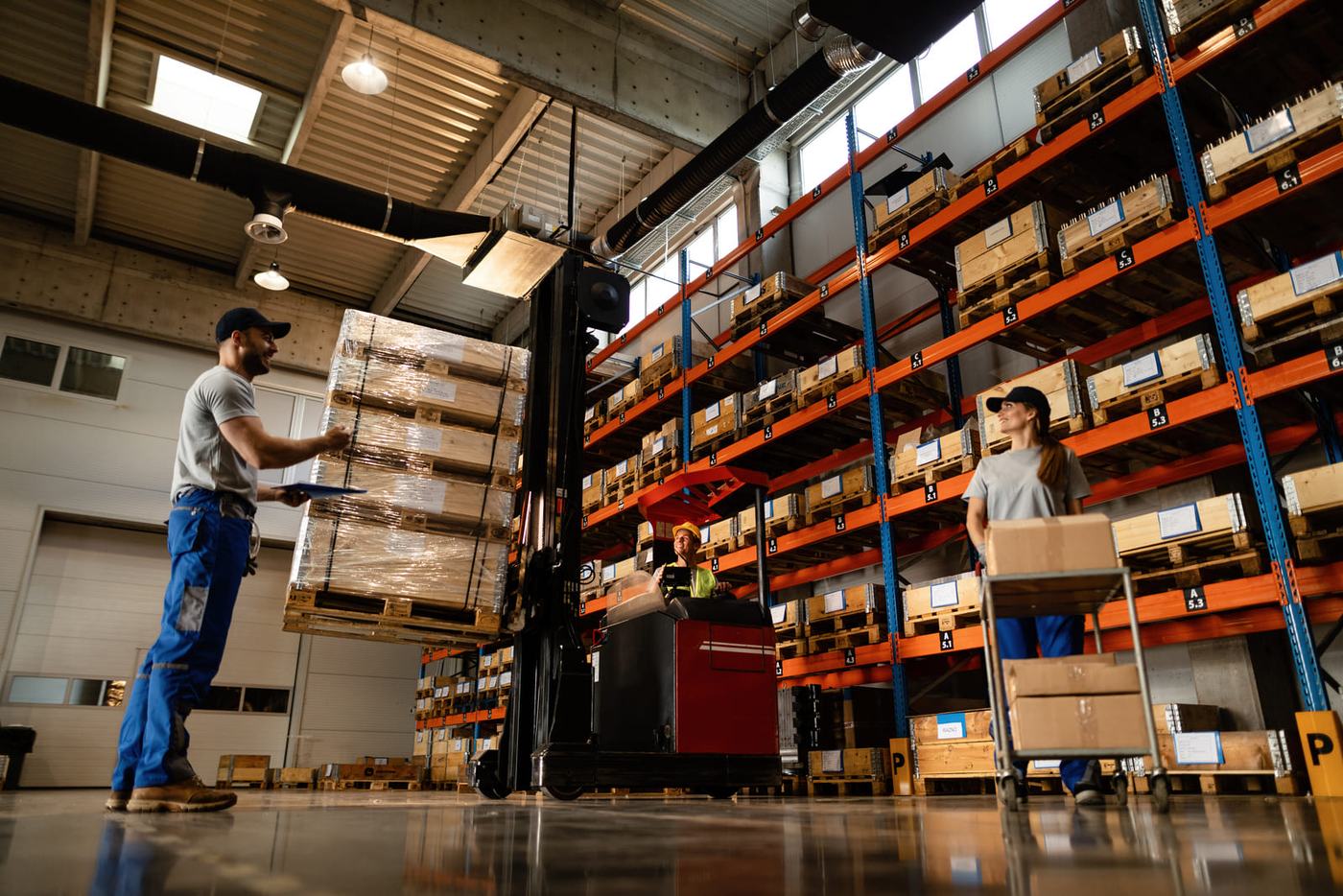
Refinance your warehouse or industrial property
Refinancing a warehouse or industrial property
Looking to refinance your warehouse?
Industrial property is valued on the building, its access and its location, and assessed on the business operating from it. A refinance brings both up to date, on a current valuation rather than on the price you paid.
We can help you:
- Refinance the warehouse, factory or workshop you already own
- Borrow up to 80% of the current value on standard commercial security, set by a fresh valuation rather than by what you originally paid
- Release equity that has built up since settlement, assessed on the purpose of funds
- Move from a bank facility written to 10 to 15 years onto a term of up to 25 to 30
- Bring the property loan, the plant facility and the overdraft under one structure
- Refinance ahead of a term expiry or a scheduled annual review
- Move on from a lender whose appetite for industrial security has changed
- Refinance an industrial property held in a self-managed super fund
- Alt-doc options where the latest financials do not yet show the current trading
- Model the break costs, valuation and legals before you commit to moving
Who we help:
- Established business owners who require finance between $50K to $30M
- Owners refinancing for the first time since settlement, who want each step set out plainly
- Time-sensitive refinances working to a term expiry, an annual review or the end of a fixed period
- Self-employed and trust-structured borrowers whose trading history since settlement is now the evidence
- Owner-occupiers whose operation has grown into the space they bought
- Owners taking more space, with the current site doing the work



Speak to a specialist today
1,000+
loans settled
$2B+
funded
Warehouse & industrial refinance
Helping owners refinance the warehouse or factory they already own
We work with owner-occupiers and industrial investors who already hold the building and are reviewing the loan against it. That covers an expiry coming up, an equity release for the next site or the next machine, a restructure onto a longer term, and a move away from a lender that has stepped back from industrial. We order the valuation, prepare the file, run the comparison and stay with it through to drawdown.
Funding from $50K to $30M
from over 60 bank & non-bank lenders












- ANZ
- Bankwest
- Bluestone
- Bank of Queensland
- Commonwealth Bank
- Firstmac
- ING
- Macquarie
- NAB
- Pepper Money
- Suncorp Bank
- Thinktank
Warehouse and industrial refinance specialists
Industrial refinancing is a specialist area we can assist with, where the building is valued on comparable sales and achievable rent rather than on the operation inside it. The industrial refinances we can arrange include:
- Freestanding factories and warehouses revalued since purchase
- Strata industrial units held individually or across a portfolio
- Distribution and logistics premises expanding onto a second site
- Owner-occupied workshops moving off a maturing bank facility
- Industrial property held under a limited recourse borrowing arrangement
Warehouse and industrial property is standard commercial security, valued on the building, its access and its location. A refinance is assessed on a current valuation together with the trading of the business occupying the site.
Why businesses choose Ardent Capital Group as their broker
Execution and strategy
Strategy first, then execution. We structure your deal properly and take it to the right lenders for your situation, so you are not enquiring lender by lender.
Clear advice for smart lending
Straight answers on LVR, structure and timing, including when a deal does not stack up.
A long-term partner
We stay with you well beyond settlement, with lasting relationships and ongoing support from the team.
Refinance types
Warehouse and industrial refinance scenarios we can help finance
An industrial refinance is shaped first by the building itself, then by the business working out of it.
Refinancing at the end of the term
Industrial property is valued on the building, its access and its location. Rate is only part of what a refinance changes: the term, the amortisation and whether the loan is reviewed annually all change what the property costs to hold. We can help you:
- Refinance ahead of a term expiry rather than at it
- Move from a 10 to 15 year bank term onto up to 25 to 30 years
- Remove an annual review where the lender will write a set and forget facility
- Reset the amortisation so the repayment matches how the property earns
- Compare across more than 40 lenders on term and structure, not on rate alone
- Model the break costs where you are leaving a fixed rate before anything is lodged
Equity in a warehouse you own
Standard commercial security gears up to 80% of value, and the value tested at a refinance is a fresh one rather than the price on your contract. Where the building has revalued and the loan has amortised, the difference between the two is equity. We can help you:
- Borrow up to 80% of the current value on standard commercial industrial security
- Reset your usable equity on a fresh valuation rather than the purchase price
- Fund the deposit on a second site without touching the first loan
- Release equity to buy plant outright instead of financing it separately
- Evidence the purpose of the funds up front, because cash out is assessed on it
- Hold a working capital buffer against the property rather than against the trade
Refinancing a tenanted industrial property
An industrial investment is assessed differently to a building you occupy. The rent is what services the loan, so the lender reads the lease first: the term left to run, the quality of the tenant, whether the rent sits at market, and the next review. We can help you:
- Refinance a tenanted industrial property on the rent it actually earns
- Present the lease term, the tenant and whether the rent sits at market
- Use a long remaining lease, which supports the loan term as well as the approval
- Time the refinance around the lease expiry or the next rent review
- Refinance a multi-tenanted estate or a strata portfolio under one facility
- Know how vacant possession is assessed before you lodge, because it is read differently
Lender appetite for industrial security
Lenders move in and out of industrial. A bank that wrote your loan may since have reweighted its book, tightened a policy, or changed the way it reads self-employed income. The same building and the same figures gear differently depending on where the file goes. We can help you:
- Move where your lender has stepped back from industrial or from your loan size
- Present to one lender at a time so the credit file stays clean
- Use alt-doc options where the latest financials do not yet show current trading
- Refinance after a decline on a top up, which is a lender view rather than a verdict
- Reach non-bank appetite where a bank has hit an internal exposure limit
- Keep the existing facility running until the new one is unconditional
SMSF warehouse or industrial premises refinance
Refinancing warehouse or industrial premises held in a self-managed super fund is something we can assist with. Inside a fund the refinance is limited to the existing balance, so the equity release described above is not available. Our SMSF industrial and logistics page covers how a fund buys the shed a business operates from and leases it back to it. We can help you:
- Move the existing balance to a new lender without increasing it
- Size the refinance to the balance outstanding, with no top up, cash out or redraw
- Reassign the holding trust to the incoming lender on the same single property
- Plan on the basis that the equity release above does not apply inside a fund
- Fund the deposit from the fund itself, since cross-collateralisation is not available in super
- Work alongside your accountant, financial adviser and solicitor
Consolidating property and asset finance
Most industrial businesses do not hold one loan. There is the mortgage on the building, a chattel mortgage on the forklift, a lease on the racking or the CNC, an overdraft carrying stock, and a line of credit or an invoice facility behind the debtors. We can help you:
- Map every facility you hold: property, asset finance, overdraft, line of credit and cash flow
- Consolidate high cost short-term debt onto long-term property security where it helps
- Keep asset finance against the machine, where the term should match its working life
- Keep working capital revolving rather than amortising it over the mortgage term
- Bring facilities held across several lenders into one structure and one review date
- Find out where consolidating does not help, rather than moving it by default
Taking on another warehouse
A full building is usually solved by a second site rather than a bigger loan. We arrange the purchase of a warehouse or industrial premises as well, so the deposit is there when the contract needs it. We can help you:
- Release equity here and use it as the deposit on the next site
- Sequence the refinance and the purchase so the funds land when the contract needs them
- Hold the two loans with separate lenders where that keeps each one simpler
- Compare expanding on the current site against acquiring a second one
- Fund an owner-occupier purchase alongside an investment refinance
- Keep one team across both files, so nothing waits on a handover
Our complete list of services
- Warehouse and factory refinancing
- Industrial property equity release
- Owner occupier industrial refinance
- Industrial investment property refinance
- Strata industrial unit refinance
- Distribution and logistics premises refinance
- SMSF commercial property refinance
- Facility consolidation and restructure
- Interest only and principal and interest restructures
- Refinancing ahead of a term expiry
- Alt-doc and self-employed commercial refinance
- Portfolio refinancing across multiple industrial assets
- Commercial overdrafts and working capital
- Plant and equipment asset finance
- Second site acquisition finance
- Industrial construction and expansion finance
- Fund the business behind the property with warehousing and distribution business loans
Our process
How it works
✓We understand your scenario
We talk through the property, your business and timeline, and any complexity in your structure.
✓We find the right lender
We match your deal to the lender on our panel best suited to it.
✓You receive clear terms and guidance
We present indicative terms and explain what we recommend, and why.
✓We stay with you beyond settlement
We manage everything through to settlement, then stay in your corner well beyond it, with ongoing support from the team.
Lender features compared
How industrial refinances compare across lenders
| Industrial refinance feature | Major banks | Non-bank lenders | Availability |
|---|---|---|---|
| Maximum LVR on standard commercial security | Not published, assessed case by case | Up to 80% | Standard |
| Loan term available at refinance | Commonly 10 to 15 years | Up to 25 to 30 years | Popular |
| Cash out against built up equity | Purpose of funds evidenced in detail | Purpose of funds assessed, broader appetite | Flexible |
| Assessment where financials lag current trading | Full financials, generally two years | Alt-doc options available | Flexible |
| SMSF refinance | Withdrawn from SMSF lending | Available, generally 65% to 80% on standard commercial | — |
| Consolidating facilities held across lenders | Simplest where all sit with the one bank | Routinely arranged across lenders | Popular |
| Annual review of the facility | Commonly reviewed each year | Set and forget terms available | Flexible |
| Time from application to settlement | Four to six weeks | Four to six weeks | — |
| Best suited for | Long held property with current financials and a clean file | Equity release, longer terms and files a bank has passed on | — |
*IMPORTANT: These are indicative figures only. Terms, LVRs and approval timeframes vary with borrower capacity, security type and individual lender criteria, and are subject to change. Figures are a general guide, not a quote or an offer of finance, and not a representation that finance is available on these terms.
Frequently asked questions
Why do borrowers choose Ardent Capital Group as their broker?
Ardent Capital Group brings the same method to every client: execution and strategy, clear advice for smart lending, and long-term growth. That means the right lender, structure and timing, straight advice so you borrow with confidence, and today's deal built toward where you want to be tomorrow. On an industrial refinance the work is in deciding what actually changed since you settled, because the valuation, the trading figures and the term left on the facility rarely point the same way. We put the file where those three land best, and we stay with it past drawdown as the portfolio grows. Every figure is subject to serviceability, lender appetite and approval.
How much finance can you help me access?
We refinance commercial facilities from $50K up to $30M, whether that is a single industrial loan you want repriced or several facilities you would rather hold under one structure. The new limit is set by the current valuation and by servicing, not by what you originally borrowed.
Why use a broker for an industrial refinance rather than going direct to my current bank?
Because your bank can only tell you what your bank will do. We do the legwork instead: we run the comparison across more than 40 lenders, work out which ones are actively writing industrial security at your loan size right now, and present to one at a time so your credit file does not collect an enquiry for every conversation. We also model the break costs, the valuation and the legals against what moving actually gains you, and if it does not stack up after those costs we will tell you that and you can stay where you are.
When should I start looking at refinancing my industrial loan?
Three to six months before your expiry or review date gives you room to choose rather than react. A commercial facility is written to a term and then falls due, unlike a home loan that simply runs. Starting early means the valuation, the financials and the comparison are done while the existing loan is still in place, so nothing is decided by a deadline.
What LVR can I get when I refinance an industrial property?
Up to 80% of the current value on standard commercial security, which is where warehouses, factories and workshops sit. The number that matters is the fresh valuation, not the price you paid, so a property that has moved since settlement changes what is available.
Can I take cash out when I refinance, and what can I use it for?
Yes, where the current valuation supports it. Cash out on a commercial refinance is assessed on the purpose of the funds, so the lender wants to know what it is for. A deposit on a second site, a plant purchase, a fitout or a working capital buffer are all ordinary purposes. We evidence the purpose properly at the outset, which is what keeps it straightforward.
My bank has said no to a top up. Is that the end of it?
Often not. A decline on a top up is one lender applying one policy on one day, and it is not a view the whole market shares. Industrial security is standard commercial, so it is written by a wide group of banks and non-banks with genuinely different appetites on LVR, loan size and how they read self-employed income. We look at why the answer was no, then place the file where that reason is not the deciding one.
What if the property valuation or the trading figures have come back since I bought?
Then we work with the position as it is rather than the one you hoped for. If the balance now sits above the new lender maximum, a partial repayment at settlement can bring it into range and open up the rest of the market. Where the financials do not yet show current trading, alt-doc assessment is available with several lenders. We tell you which of these applies before any application is lodged.
Can I bring my property loan, equipment finance and overdraft under one structure?
Often yes, and it is one of the more useful things a refinance does. The caution is that not everything belongs on the building. Plant frequently sits better on asset finance against the machine, because the term matches the working life of the equipment. We map what belongs where and consolidate what genuinely benefits from long-term property security.
How long does an industrial refinance take?
Four to six weeks from application to settlement for a straightforward file. SMSF refinances and portfolio consolidations take longer, because the holding trust or the extra securities add documentation and coordination. We give you a realistic timeline at the start so you can plan the expiry date around it.
What documents will you need?
The existing loan statements, two to three years of financial statements and tax returns for the trading entity, personal tax returns and notices of assessment for the guarantors, a statement of assets and liabilities, and details of any other facilities. For an investment property we also need the lease and the rental statements. We work through the list with you at the start rather than asking for things one at a time.
Does my tenant or lease affect an industrial refinance?
On an investment property it is central, because the rent is what services the loan. Lenders look at the term left on the lease, the quality of the tenant and whether the rent sits at market. A long lease to a solid tenant supports the loan term and the approval. On an owner-occupied building the assessment runs off your own trading figures instead.
What will refinancing cost me, and how do I know it is worth it?
The costs are a valuation, legal and settlement fees, any lender establishment fee, discharge costs from your current lender, and break costs where you are leaving a fixed rate. Break costs are an economic cost, so they are calculated on the day and vary with how much fixed term is left. We put the real numbers against the benefit before you commit to anything.
Will refinancing affect my credit position?
Each application creates a credit enquiry that stays on your file, and several in a short period can affect how the next lender reads you. That is why we assess your position first and present to one lender at a time rather than shopping the file around. It is the same reason we ask for the documents up front.
Can I refinance an industrial property held in my SMSF?
Yes, it is possible, and we arrange these. It is also one of the more intricate refinances in commercial finance, and the detail is what decides whether it works. From 10 August 2026 a new arrangement can only be used for business real property, and an industrial building trading wholly as a business qualifies, whether you occupy it or a tenant does. It has to stay the same single property, and it is limited to the balance outstanding plus accrued interest, so there is no top up, no redraw and no cash out inside the fund. The holding trust is reassigned to the incoming lender rather than dissolved, which carries a legal cost worth weighing against the gain. Cross-collateralisation is not available inside super. Reassign the holding trust to the incoming lender on the same single property, the major banks have exited SMSF lending, and lenders want a liquidity buffer left in the fund after settlement. We know this sounds complicated, and we can assist to make things clearer. Reach out to our team and we will guide you through the entire process. We structure the finance, tell you which lenders will take an industrial property as SMSF security and on what terms, and bring in the SMSF specialists and licensed advisers who set the fund side up. You will not be working it out on your own.
Do you charge fees for your industrial refinance service?
Most of the time, no. Where a refinance requires significant preparation due to its complexity, a small mandate fee may apply, and we will always be upfront about this before any work begins.
What areas do you service?
Although we are based in Sydney, we service clients across all major Australian cities, including Melbourne, Perth, Brisbane, the Gold Coast, Adelaide, Canberra and Hobart, along with their surrounding regional areas. Wherever your industrial property is located, we can arrange your finance.
What other finance can you assist with?
Beyond refinancing the property, we also assist with asset finance and working capital. On asset finance, that covers forklifts, racking, CNC machinery, production lines, compressors and delivery vehicles. On working capital, we arrange business overdrafts, lines of credit and cash-flow funding to carry stock and to bridge the gap between despatch and payment, and we can fold these into the refinance where it makes sense.
I have owned the property for years but have never refinanced it. Are you beginner friendly?
Yes, and it is more common than you would think. Plenty of owners settle a purchase and never look at the loan again until the expiry letter arrives. That is our core ethos, helping you understand the right strategy, structure and clear advice from the very first conversation. Our main borrower profiles are established business owners and commercial property investors with facilities from $50,000 upwards. We will start by telling you what the building is likely to value at now, what sits on your current facility that you may not have looked at in a while, what the costs of moving actually are, and whether the move is worth making at all. If it is not, we will say so and you can stay where you are.