
Asset finance lets a business pay for a vehicle, a machine or a fit-out over the years it earns income, secured against the asset itself rather than the owner's home.
In 2026 the options range from a chattel mortgage on a work ute to a lease on a dental chair, and the way business owners buy a car has changed too. This guide walks through each type of asset finance, how lenders assess an application, and where the commercial property you work from fits in, because a building is an asset too.
What asset finance covers for an Australian business
Asset finance is any loan or lease where the thing being bought is the main security. The lender registers an interest over the asset on the Personal Property Securities Register, and if the loan is repaid in full that interest is removed. Because the asset carries the security, the loan usually sits apart from your home and your other borrowing.
The assets lenders finance this way fall into a few groups:
- Vehicles: passenger cars, utes, vans, and four-wheel drives used in the business.
- Transport: prime movers, rigid trucks, trailers, refrigerated bodies and buses.
- Construction and earthmoving equipment: excavators, skid steers, loaders, telehandlers and attachments.
- Medical and dental equipment: dental chairs, digital X-ray and OPG units, ultrasound machines, lasers and sterilisation gear.
- Hospitality equipment: combi ovens, cool rooms, coffee machines, glycol beer systems and point-of-sale hardware.
- Technology: servers, networking gear, laptops and practice-management hardware.
The main types of asset finance in Australia
Five structures cover almost every asset finance deal. The asset is often the same across all five. What changes is who owns it during the term, what happens at the end, and how the repayments are treated in your accounts.
Chattel mortgage
You own the asset from the day of purchase and the lender takes a mortgage over it until the loan is repaid. Repayments can be fixed for the term, and a balloon (a lump sum due at the end) can be added to lower the monthly amount.
Finance lease
The financier owns the asset and leases it to your business for an agreed term. At the end you pay the agreed residual value to keep it, refinance the residual, or hand the asset back. Lease payments are treated differently from loan repayments in your accounts.
Operating lease or rental
You use the asset for a set term and return it at the end, with no residual to pay. This suits equipment that dates quickly, such as computers and some medical imaging, where replacing it every few years is part of running the business.
Commercial hire purchase
The financier owns the asset while you make the payments, and ownership passes to you with the final instalment. The practical result is close to a chattel mortgage, with ownership arriving at the end instead of the start.
Novated lease
A three-way agreement between an employee, their employer and a financier, with the lease payments and running costs deducted from the employee's pay. Business owners who pay themselves a salary through a company can use one for their own car. It is a salary-packaging arrangement, so the tax result depends on your circumstances.
Your accountant confirms the GST, depreciation and fringe benefits treatment for whichever structure you choose, before the documents are signed.
Car and ute finance for business owners in 2026
A car is where most business owners first meet asset finance. A work ute is usually financed through a chattel mortgage in the business name. A car the owner drives both privately and for work may suit a chattel mortgage or a novated lease, depending on how the business pays its owners.
Buying a car involves two separate deals: the price of the car and the cost of the finance. Traditionally the buyer negotiated the first at a dealership and arranged the second elsewhere, or accepted the dealer's finance offer on the spot.
That is changing. A newer kind of company now combines the two through a car broker concierge service. You choose the make and model, the broker collects competing quotes from dealers, and the finance is arranged alongside the purchase. Rodar's new car broker service is one example, with dealer quotes, finance options including novated leasing, and delivery arranged online in one place.
For a busy owner, handling the car price and the finance through one provider removes a round of dealership visits. Compare the total cost of the loan, including fees, and not the weekly repayment alone.
What lenders look at for a business vehicle
- How long the ABN and GST registration have been active, which decides whether a full-doc or low-doc application applies.
- The age of the vehicle at the start and at the end of the term, since many lenders cap the age at maturity.
- Business use, recorded on the application, which supports the case for business finance.
- The balloon, set at a level the vehicle's resale value can realistically meet at the end of the term.
Truck, trailer and transport equipment finance
Prime movers, rigid trucks and trailers are usually financed on a chattel mortgage or finance lease, often with a balloon matched to the truck's expected resale value. Lenders look at the operator's contracts, how long they have held them, and the driver's licence class and history. Refrigerated bodies, tailgate loaders and tippers can be financed on the same contract as the truck.
For operators running the day-to-day cost of fuel, tyres and wages alongside the truck repayments, working capital for a transport business is often arranged separately from the truck finance.
Construction and earthmoving equipment finance
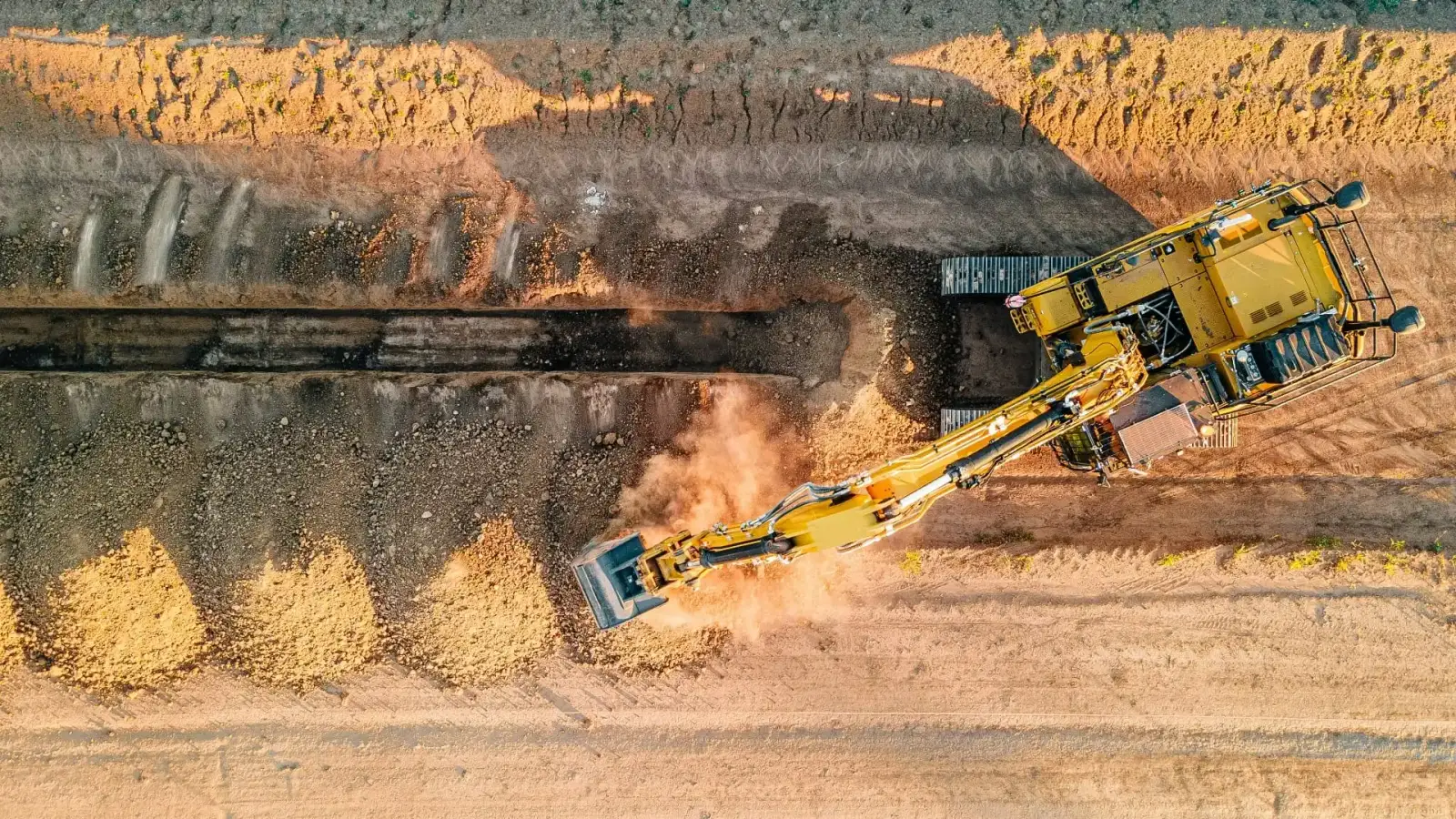
Excavators, loaders, skid steers and telehandlers hold their value well, and lenders know it. Used machines can be financed as well as new, with the lender checking hours on the meter and the machine's age at the end of the term. Attachments such as buckets, augers and hammers can sit on the same contract as the machine.
A contractor with a forward book of work can often show that the machine will pay for itself through the jobs it is bought for. That contract list supports the application.
Medical and dental equipment finance
Dental chairs, OPG and CBCT units, ultrasound machines and cosmetic lasers are expensive and specialised, and lenders who finance health practices treat registered practitioners as a distinct group of borrowers. A new practice fit-out can bundle the chairs, cabinetry, sterilisation room and IT onto one agreement.
Because imaging equipment is updated often, some practices lease it on an operating lease and return it at the end of the term instead of owning it.
Hospitality fit-out and kitchen equipment
A restaurant or cafe fit-out combines items with a resale market, such as combi ovens, dishwashers and coffee machines, with items that have almost none, such as custom joinery and cabinetry. Lenders finance the first group readily. The second group is often financed as part of a larger fit-out loan or from the business's working capital.
IT and technology equipment finance
Servers, networking gear and laptops lose value quickly, so leases and rentals are common here. An operating lease with an upgrade clause lets the business replace hardware at the end of each term without selling the old equipment first.
What a lender assesses on an asset finance application
- The asset: new or used, its age, and what it would sell for if the lender had to recover it.
- The business: trading history, ABN and GST registration, and recent bank statements or financials.
- The borrower: credit history for the business and its directors.
- The deposit and balloon: some lenders will finance the full purchase price for an established business, and a larger balloon lowers repayments while leaving more to pay at the end.
- The supplier: a dealer invoice is straightforward, while a private sale needs extra checks on the seller and the asset.
When the asset is the building: commercial property loans
Vehicles and equipment wear out and are replaced. The premises a business works from is also an asset, and for many owners it is the one that grows in value over time. A mechanic running a workshop, a transport operator with a depot, or a dealer with a showroom and yard can buy the property they already rent.
A commercial property loan works on the same principle as asset finance: the asset secures the loan. The differences are the scale and the term. Standard commercial premises such as offices, shops and warehouses typically gear to around 80% of the property's value, and loan terms run far longer than an equipment contract. When the business owns the premises through a related trust or company, the rent it pays that entity becomes income the lender can count.
For automotive and transport businesses, an automotive and transport property loan covers workshops, depots, yards and showrooms. For storage and distribution businesses, a warehouse or industrial property loan is assessed on the building's clear height, hardstand, access and lease.
With a background in financial planning, the Ardent Capital Group team can develop a strategy for how the property purchase and the business's other borrowing fit together, then work with your accountant for the final confirmation.
Asset finance questions answered
Can I finance a used vehicle or machine?
Yes. Lenders finance used vehicles and equipment, with limits on the asset's age at the end of the term. A private sale is also possible with extra checks on the seller and the asset.
Does asset finance need property as security?
Usually not. The asset itself secures the loan, which keeps your home and other property separate from the equipment finance.
What is a balloon payment?
A lump sum due at the end of the term. It lowers the regular repayments, and it can be paid out, refinanced, or covered by selling or trading in the asset.
Is a novated lease the same as business car finance?
No. A novated lease is a salary-packaging agreement involving an employer and employee. Business car finance, such as a chattel mortgage, is taken out by the business itself.
Can equipment finance and a commercial property loan be arranged together?
They are separate loans with separate security, but a lender assessing a property purchase looks at every repayment the business carries, including vehicle and equipment finance. Planning both together shows the lender the full set of commitments at once.
Finance that supports what the business owns
Vehicles, equipment and premises are each financed differently, and each choice affects what a lender will offer on the next one. At Ardent Capital Group we give business owners clear advice on the strategy and structure behind their finance, so the loans supporting today's purchase also support the wealth and longevity of the business. If you are weighing up the building your business operates from, we would be glad to talk it through.